What MM Systems makes
MM Systems focuses on movement and protection at the building envelope. Core lines include architectural expansion joint covers for interiors, watertight and traffic‑durable joints for parking structures and stadiums, fire‑rated joint systems, plus complementary architectural metals and trench grating. Across these lines they likely offer dozens to hundreds of SKUs, spanning multiple joint widths, finishes and load ratings.
Single‑category specialist, multi‑category catalog
They are best known for expansion joints rather than being a generalist across all Division 07 products. That said, their catalog extends into related accessories and custom metalwork, so they compete in several adjacent specification slots on large jobs.
EPD coverage today
As of December 19, 2025, we could not locate any program‑operator–published, product‑specific EPDs for MM Systems in the major public registers. If new declarations exist behind portals or submittal packs, they are not easily discoverable to specifiers, which effectively reads as no EPD at bid time. This is a blind spot on projects that explicitly request third‑party verified EPDs.
Why that matters commercially
Project teams still count EPDs to finish materials credits. Under LEED v4.1, Option 1 typically asks for at least 20 qualifying products from five manufacturers, and a product‑specific Type III EPD with external verification counts as 1.5 products toward that tally (USGBC Credit Library, 2024) (USGBC Credit Library, 2024). LEED v5 was ratified on March 28, 2025, and continues to emphasize disclosure and embodied‑carbon performance, so having EPDs remains a straightforward way to remove friction in submittals (USGBC, 2025) (USGBC, 2025).
Work for MM Systems or competing against them?
Follow us for a product-by-product EPD analysis to discover which expansion joint systems get spec'd and where you stand against Sika Emseal and Construction Specialties.
The product types most likely to be requested with an EPD
Floor and wall expansion joint covers show up everywhere in healthcare, aviation, higher education and parking structures. These are frequent line items in finish schedules, which means they are often pulled into the EPD count. Without a visible, product‑specific EPD, that model risks being swapped for an alternative that helps the team complete the credit rather than forcing a workaround.
Are EPDs even common in this niche
We see a mixed picture. Some joint‑sealing and membrane systems adjacent to expansion joints already have EPDs, proving the path is practical. Example, waterproof expansion joint tapes with EN 15804+A2 EPDs registered in 2025 such as RedLINE 100 and 240 (EPD International, 2025) (EPD International, 2025). On the flip side, architectural cover assemblies themselves still have patchy disclosure across brands, which is precisely why early movers gain a quiet edge in specs.
Who MM Systems runs into on projects
Direct and near‑adjacent competitors include Sika Emseal, Construction Specialties, Inpro (JointMaster), Balco and Nystrom. Depending on the application, European players like MIGUA also show up. Many of these brands publish EPDs in other envelope categories already, which conditions specifiers to ask for the same in joint systems. That pressure is not going away.
Likely gap with a real cost
If a best‑seller floor cover system lacks an EPD and the project team needs one more qualifying product to hit its LEED materials target, the path of least resistance is to pick a comparable system from a catalog that does publish. Teams dont like scrambling late in submittals. In competitive bid rooms, the absence of a simple PDF can decide which SKU makes the schedule.
Fastest path to credible coverage
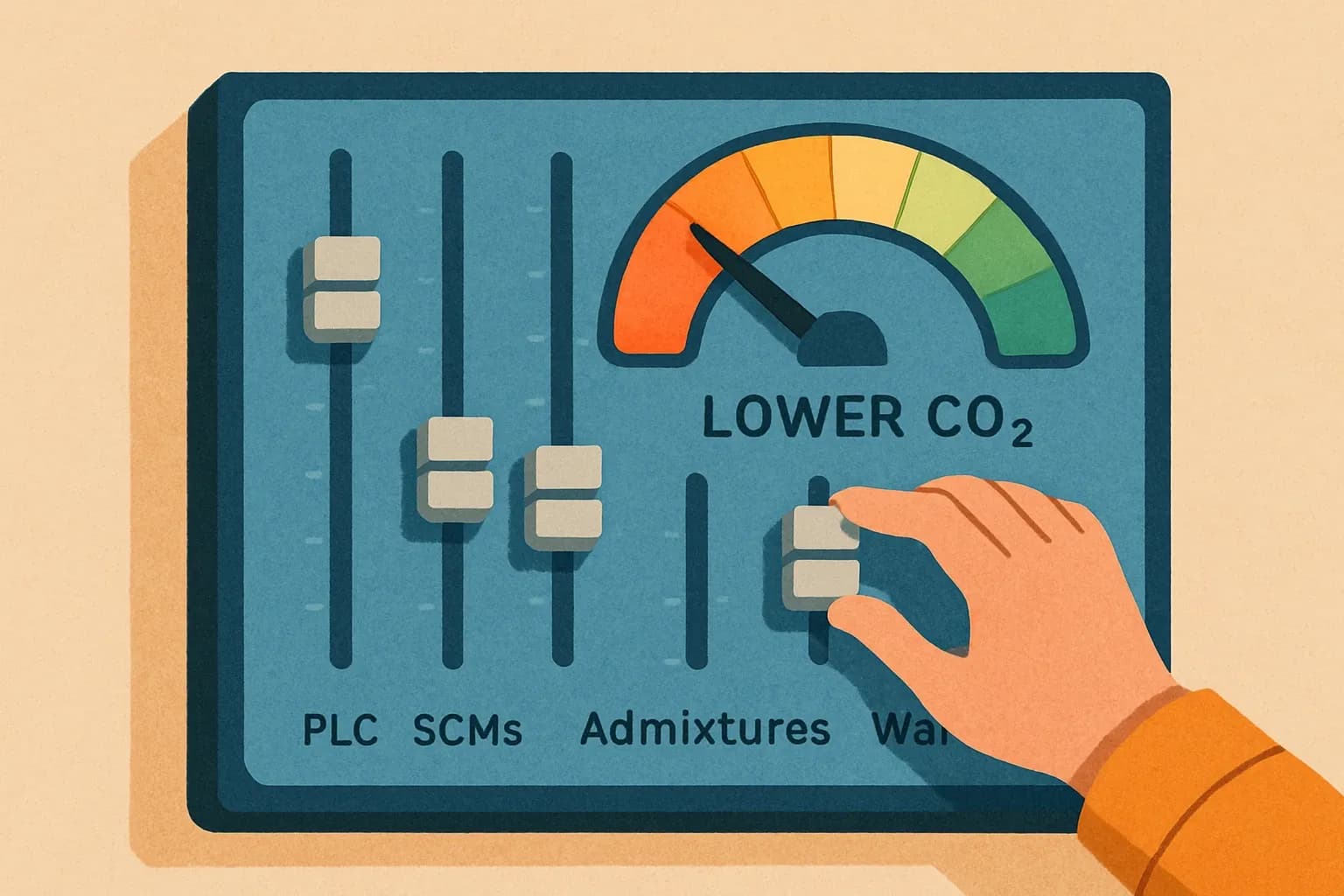
Pick representative families first, not every SKU. Start with 1) interior floor and wall covers, 2) a parking deck or stadium system, 3) a fire‑rated joint solution. Confirm the most appropriate PCR and operator based on what competitors use, then collect one clean reference year of site data. Product‑specific Type III with external verification is ideal because it counts more in the LEED tally and avoids awkward credit math later (USGBC Credit Library, 2024).
What good looks like for expansion‑joint makers
Publish EPDs for the top‑pulled assemblies by width class, make them easy to find on the product page, mirror the naming on submittal sheets, and keep validity clearly labeled. That alone shortens the question‑and‑answer loop in design development and during buyout.
Bottom line
MM Systems is strong on movement engineering and breadth of joint solutions. The visible EPD story has catching up to do. In a market where EPDs help teams finish scorecards and avoid penalties in carbon accounting, being findable with the right documents can be the difference between being specified first or being value‑engineered out.