Who JORDAHL is
JORDAHL is a German-born brand within the PohlCon group known for structural connections and fastening technology. Think concrete-to-steel interfaces that must be strong, adjustable, and inspection‑friendly. Their products often sit hidden in the structure, yet they decide whether a façade bracket or precast panel installs in hours or drags on for days.
Portfolio at a glance
The core families show a clear structural focus. Anchor channels and T‑bolts for cast‑in connections. Studrail punching‑shear reinforcement for flat slabs. Brickwork support brackets and corbels for masonry façades. Mounting channels and accessories for MEP and secondary steel. Select niche systems like tension rods and specialty elements round it out. Across variants, lengths, grades, and finishes, the SKU count lands in the hundreds.
Are they a pure play or multi‑range maker?
Multi‑range. JORDAHL competes in at least five distinct product categories that specifiers see on structural, façade, and fit‑out packages. That breadth is a strength when projects prefer one supplier for anchors, supports, and reinforcement components.
Where EPDs exist today
At least one independently verified EPD is public for JORDAHL brickwork support brackets, listed with IBU, the German program operator. IBU is a major registry hosting over 1,800 published construction EPDs, which is why many European project teams look there first (IBU, 2025)(IBU, 2025).
What looks missing
For flagship items like cast‑in anchor channels, we could not find a currently valid product‑specific JORDAHL EPD in public operator databases. If anchor channels are a sales workhorse, that gap likely costs shortlist opportunities when owners or GCs require product‑specific EPDs under LEED v5 or corporate carbon policies. It’s the classic “no EPD, tougher path to get specifed” problem.
At JORDAHL or competing against them?
Follow us for a product-by-product EPD analysis to uncover where your anchor channels stand against competitors like HALFEN and Peikko.
Competitor pressure you’ll feel on EPDs
- Anchor channels and mounting channels see frequent competition from Leviat’s HALFEN range, which has IBU‑verified EPD coverage for cast‑in anchor channel systems across popular profiles. That gives specifiers a ready EPD path on like‑for‑like substitutions (IBU, 2023).
- Punching‑shear reinforcement faces Peikko’s PSB and EBEA families, with public EPDs on well‑known registries. When a slab package mandates EPDs, alternatives with listings tend to get earlier design‑team buy‑in.
- In façades, masonry support brackets compete with HALFEN and others. JORDAHL’s bracket EPD helps here, but breadth across more bracket variants would raise their win‑rate.
Commercial stakes in one picture
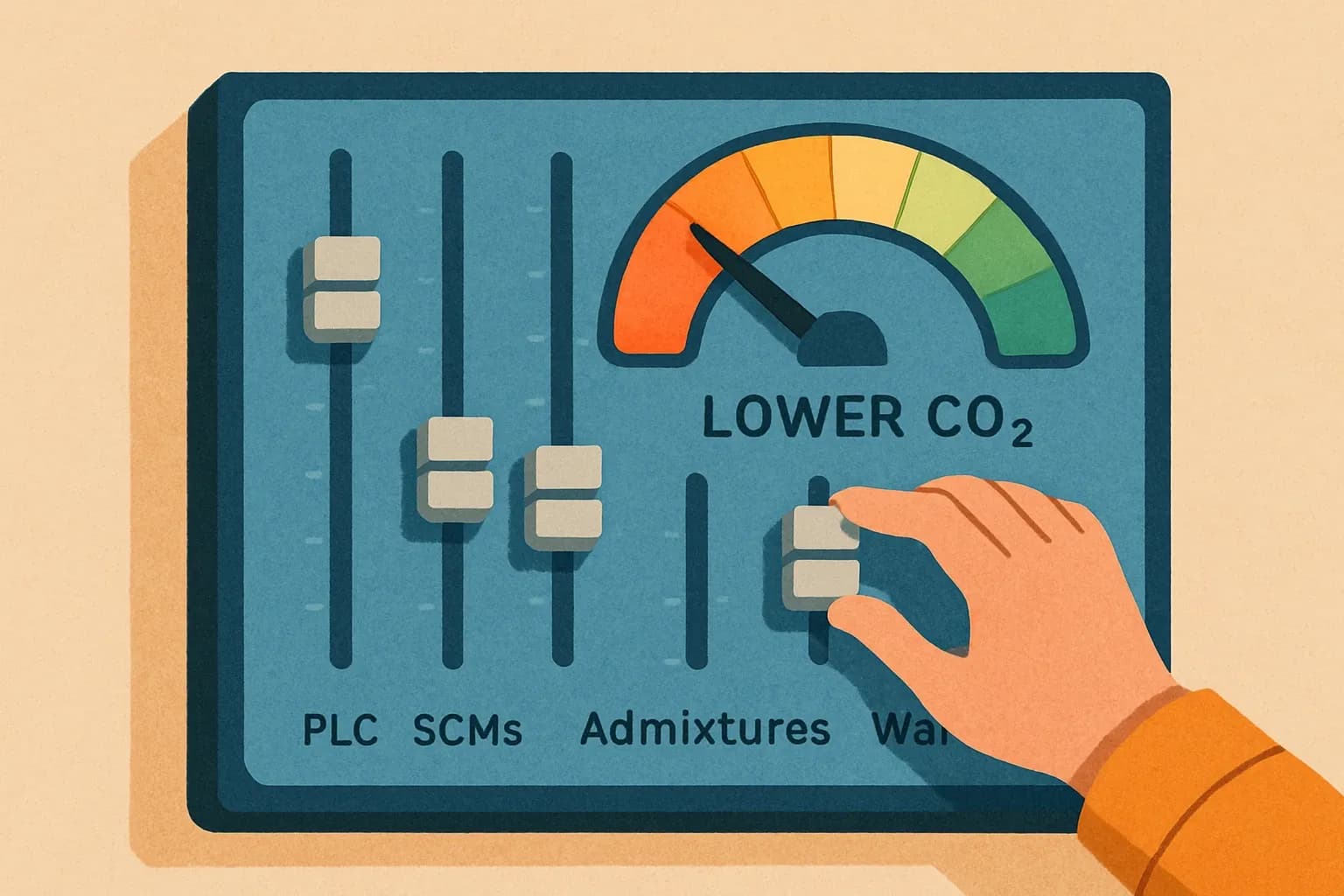
On EPD‑scored projects, a product without a product‑specific EPD is often modeled with conservative generic factors, then penalized again by buffer percentages. Teams avoid that risk by choosing a product with a verified EPD, even if unit price is higher. The ROI math is simple: one mid‑size façade or precast package can repay the documentation effort many times over.
Fastest path to close the gap
- Prioritize the anchors. Start with the highest‑volume anchor channels and their most common finishes and lengths. One well‑scoped EPD can often cover a family if the PCR allows grouped variants.
- Pick the common rulebook. Use the PCR that dominant competitors follow, so specifiers can compare apples to apples in the same operator registry.
- Make data collection painless. Pull a clean year of utilities, scrap, and production volumes from the plant. For newer SKUs, a prospective EPD can bridge the gap until a full data year is available.
- Publish where buyers actually look. In Europe that often means IBU. In North America, Smart EPD and other established operators are widely recognized. Speed matters because EPD validity clocks don’t stop.
A note on sustainability positioning
JORDAHL’s parent group speaks to sustainability in its corporate values, with “Nachhaltigkeit” called out as foundational. It’s not a dedicated report page, but it signals direction and can be paired with a visible EPD rollout for the hero lines (PohlCon values page).
What we’d do next
- Anchor channels: publish a product‑specific EPD family first, then extend to mounting channels to secure MEP‑heavy scopes.
- Studrails: add or refresh coverage so structural engineers can keep JORDAHL in spec without workaround factors.
- Bracket families: build on the existing IBU listing to cover adjacent variants and stainless grades that façade teams specify most.
Bottom‑line takeaways
JORDAHL sells into multiple high‑spec categories with hundreds of SKUs. EPD coverage exists, yet the big commercial lever is anchor channels. Competitors already show verified listings for direct substitutes, which nudges specs their way when carbon accounting is strict. Close that one gap and the whole portfolio becomes far easier to choose in preconstruction.