
Who Brickworks is and where they play
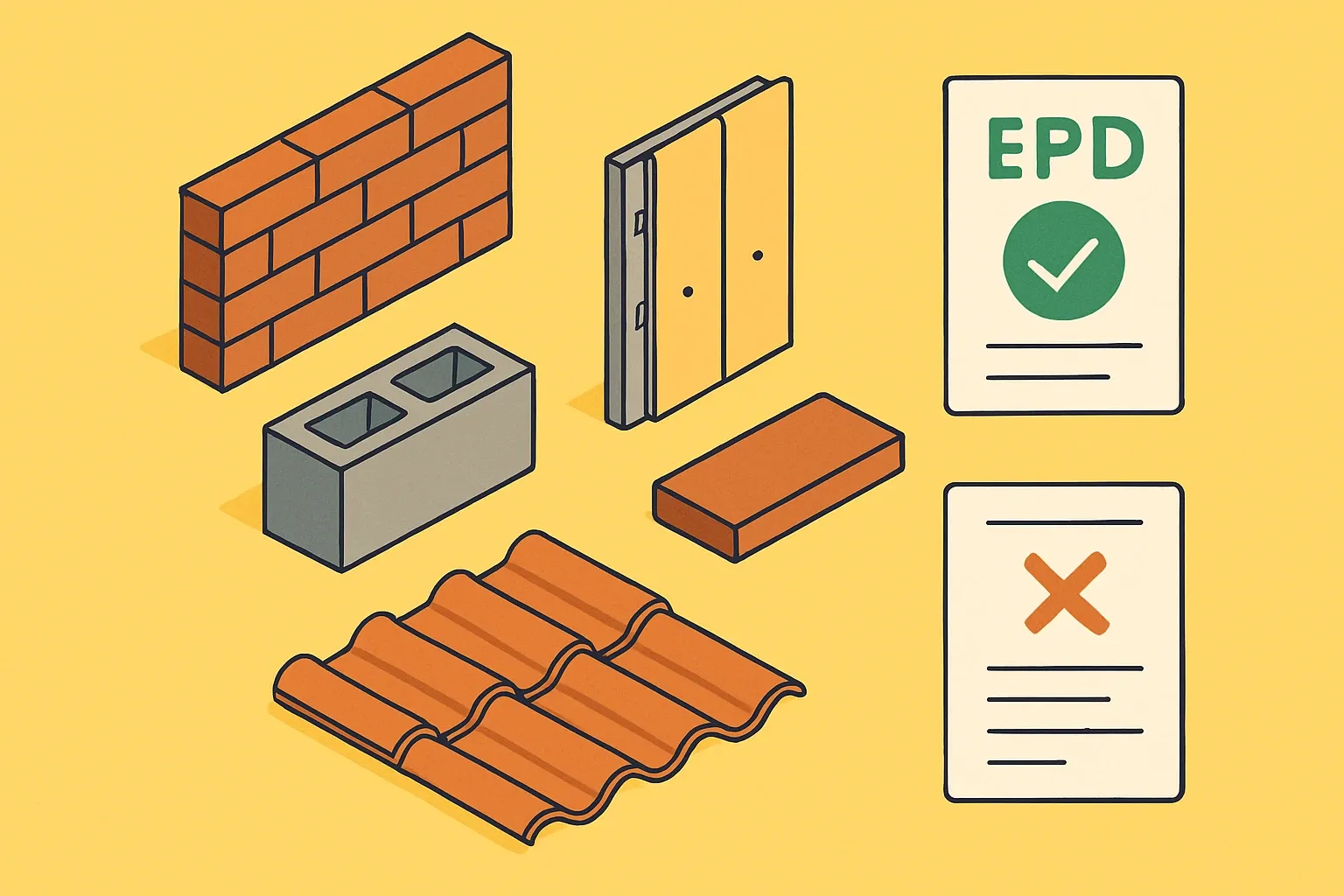
Brickworks Limited operates across Australia, New Zealand, and North America through brands such as Austral Bricks, Daniel Robertson, Bowral Bricks, Nubrik, GB Masonry, UrbanStone, Bristile Roofing, and Glen‑Gery. The portfolio covers clay bricks and pavers, concrete masonry blocks and retaining systems, wet‑cast and dry‑cast pavers, brick cladding systems, and roof tiles.
Across those families, the SKU count easily sits in the hundreds, with multiple sizes, colors, finishes, and plant‑specific ranges. They are not a pure play brick maker, they are a multi‑category building products house.
What the catalogue looks like in practice
Think of three buckets. First, structural and veneer masonry for envelopes and interiors, from pressed clay bricks to architectural block. Second, hardscape and landscape pavers, including UrbanStone and Austral Masonry formats. Third, facade systems and roofing, including thin brick systems and terracotta roof tiles. Each bucket carries dozens of lines, often customized per plant and region.
EPD coverage in Australia and New Zealand
Coverage is strong in key categories. Brickworks published plant‑grouped clay brick and paver EPDs for multiple Australian sites on November 26, 2024, valid through November 26, 2029, compliant with EN 15804 A2 (EPD International, 2024) (EPD International, 2024). Their Thin Tech Plus and Tru‑Brix cladding systems have EPDs published June 18, 2025 and valid to June 18, 2030 (EPD Australasia, 2025) (EPD Australasia, 2025). Concrete pavers carry EPDs registered June 19, 2025 with validity to June 19, 2030 (EPD Australasia, 2025).
On masonry blocks, GB Masonry shows broad coverage with current EPDs across colored blocks, veneers, and retaining formats, giving project teams specification‑ready documentation in the common wall and landscape applications most likely to request it. That’s the kind of paperwork that quietly shortens bid cycles.
EPD coverage in North America
For U.S. clay masonry, the sector’s new 2025 industry‑average EPD from the Brick Industry Association spans clay brick, thin brick, pavers, and structural clay tile, now with cradle‑to‑grave scope (Business Wire, 2025). This document is widely accepted on projects that allow industry‑average EPDs. As of December 19, 2025, we did not locate publicly available, product‑specific Glen‑Gery brick EPDs on the major operator portals, which means specifiers often default to the industry average when evaluating that portfolio.
At Brickworks or competing against them?
Follow us for product-by-product EPD analysis to uncover which bricks and roofing solutions get spec'd and where competitors like Acme and Ludowici have the edge.
Notable gaps and quick wins
Roofing looks like the biggest opportunity. We did not find a public EPD for Bristile Roofing terracotta tiles, and roof packages on large campuses and civic builds increasingly ask for EPDs alongside performance data. Competitors show the path is practical. In the U.S., Ludowici publishes an EPD covering clay roof tiles and fittings, signaling that tile EPDs are both feasible and useful on LEED‑targeted work (Ludowici, 2025). If Brickworks brings a Bristile EPD to market, it closes a conspicuous loop for full building envelopes.
For North America, a plant‑specific clay brick EPD for high‑volume sellers would be a fast commercial lever. Teams recieve a measurable advantage when they can compare declared GWP by plant and mix rather than rely on an industry average, especially under owner policies that prefer product‑specific declarations.
What competitors Brickworks meets on bids
In the U.S. clay brick space, Acme Brick, General Shale, Belden Brick, and Pine Hall Brick frequently appear in shortlists. Many of these firms currently steer architects to the 2025 industry‑average brick EPD, which is broadly credit‑eligible in rating systems that accept IA documents (Business Wire, 2025). For roof tiles, Ludowici is the most common like‑for‑like comparator on performance and documentation. In terracotta facades and rainscreens, NBK is a familiar name on institutional projects.
Why EPDs here matter commercially
EPDs do two things at once. They remove the accounting penalty applied to products without verified data, and they let sales point to an audited number instead of a promise. With LEED v5 under development and procurement teams tightening environmental data requests, the difference between a product‑specific EPD and an industry average often decides whether a product is considered at parity or as a substitution risk.
For manufacturers, the fastest wins come from sequencing. Start with top‑selling SKUs in categories where the brand is already strong, match the PCR families competitors are using, then expand coverage by plant. Pick a partner who handles the messy data collection inside the organization rather than handing over templates, since internal time is the scarce resource.
Sustainability stance and targets
Brickworks reports a 56 percent reduction in Australian emissions since 2006 and an additional 15 percent Scope 1 and 2 reduction target by 2030 across Australia and North America, which aligns the portfolio with buyer expectations on transparency and improvement trajectories (Brickworks Sustainability, 2024). Those numbers pair well with the 2024 to 2025 EPD publications noted above, since verified disclosures underpin claims in bids and compliance packs.
Bottom line for specability
In Australia, the brick, paver, cladding, and block ranges have robust EPD coverage that fits day‑to‑day project needs. In North America, using the 2025 brick industry‑average EPD keeps the door open, yet a product‑specific EPD for one or two Glen‑Gery best sellers would materially lift win rates where owners prioritize product‑level declarations. Roofing remains the standout gap and a clear opportunity to lock in full‑envelope specs with a consistent story from roof to pavement.


