Who Bradford is and where they play
CSR Bradford, trading as Bradford Insulation, manufactures thermal and acoustic materials primarily for Australia through residential and light‑commercial channels. The portfolio spans glasswool batts and rolls, rockwool for higher heat and fire performance, roof blankets and sarking, HVAC boards and wraps, plus niche lines like underfloor and ventilation accessories.
Product families at a glance
Expect several distinct families rather than a single pure play. Think ceiling and wall batts, roof blanket and foil, HVAC duct liners and boards, partition and acoustic batts, specialty fire and industrial lines. Across variants by R‑value, thickness, widths and facings, the SKU count runs to the hundreds, not a handful.
What is covered by EPDs today
Bradford has a small but meaningful set of product‑specific EPDs published in April 2025. They include HVAC products, a ceiling and wall group, and roof blanket products, all listed with a five‑year validity window to 2030 (EPD Australasia, 2025) (HVAC products, 2025) (Roof products, 2025). The registration also appears in the Environdec library with the same publication date for the HVAC entry (Environdec, 2025) (Environdec library, 2025).
What this means for sales. Core residential glasswool and roof blanket categories are starting to be covered, and HVAC specifiers can point to a current document. Coverage still looks targeted, not fleet‑wide.
Likely gaps that matter
We did not find dedicated, current EPDs publicly listed for several lines that specifiers often ask about. Examples include underfloor batts, some partition‑grade acoustic batts, and certain wraps or membranes. Ventilation accessories typically sit outside common EPD scopes. If those are strategic SKUs in your mix, there is room to tighten coverage.
Work for Bradford Insulation or selling against them?
Follow us for a product-by-product analysis of EPD coverage to see which SKUs get spec'd and where your competitors like Fletcher and Knauf stand.
Where competitors show up with EPDs in hand
Fletcher Insulation published multiple EPDs across ceilings, internal partitions, walls, roofing and HVAC in mid‑2025, each showing a 2030 validity horizon (EPD Australasia, 2025) (Fletcher Internal Partitions, 2025) (Fletcher HVAC, 2025). Knauf Insulation also lists product‑specific glass mineral wool EPDs serving the Australia and New Zealand market with validity running into 2030 for key batts and rolls (Environdec, 2025) (Knauf unfaced rolls, 2025). If a tender prefers or mandates product‑specific EPDs, specifiers can switch to these with little friction.
A practical example. Partition batts are a bread‑and‑butter line on office and education projects. If the SKU in play lacks a matching EPD while Fletcher shows a fresh internal partitions EPD, the default will tilt away from the uncovered SKU. Thats a missed spec.
Main head‑to‑head set in the market
- Like‑for‑like glasswool batts: Fletcher Insulation and Knauf Insulation.
- HVAC board and duct products: Knauf Insulation, plus specialist lines from ROCKWOOL for higher temperature systems.
- Roof blanket and sarking alternatives: Fletcher and Kingspan for board‑based solutions in some roof build‑ups.
- Interior acoustics: Autex Acoustics competes in finished interior panels and polyester blankets where acoustic performance drives choice.
These are the names you will see on healthcare, education, multifamily and light‑industrial schedules.
What a complete EPD set unlocks commercially
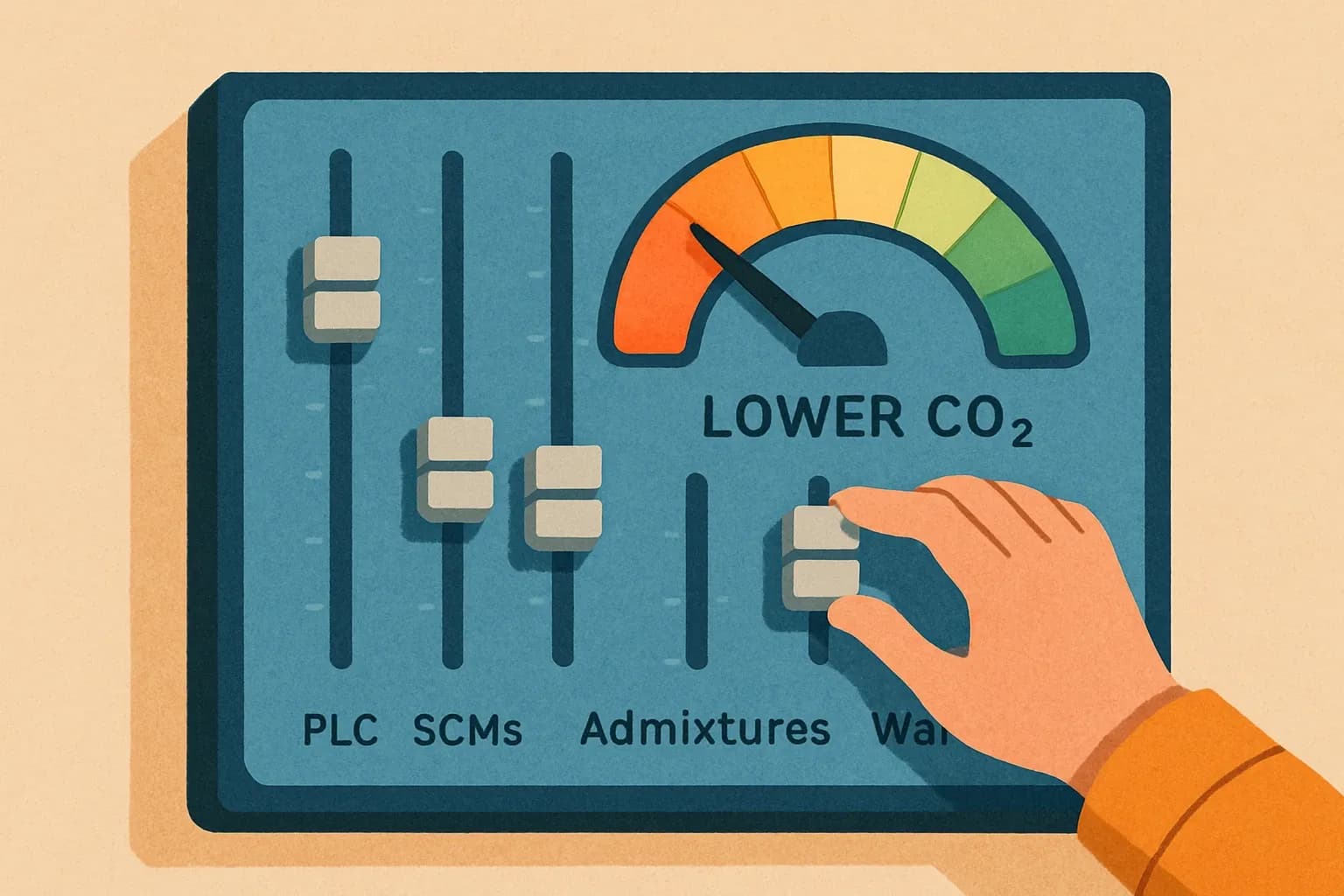
On projects scoring toward LEED v5 and similar schemes, product‑specific EPDs prevent conservative default factors that penalize bids without them. Teams with current declarations move through approvals faster because carbon accounting stays precise, not padded by safety factors. The ROI is real because even one mid‑sized win can outweigh the credentialing cost in this category.
Smart playbook to close the gaps
- Map sales velocity to coverage. Start with the top ten SKUs by revenue where no EPD exists.
- Pick the common PCR in the competitive set so comparisons are apples‑to‑apples. This avoids disputes in design reviews.
- Keep data collection tight across plants and variants so you can scale from a first EPD to a family set in weeks, not quarters.
- Publish with a program operator your customers already trust in the target region so submittals do not stall.
Useful link
Bradford outlines broader environmental initiatives on its own site. See the short overview under Sustainability.
Bottom line for specability
Bradford’s EPD footprint is moving in the right direction, covering three cornerstone categories from 2025 with validity through 2030. The commercial upside will grow as underfloor, partition acoustic and wrap lines get matching declarations, because that is where competing EPDs already exist and quietly sway specs.