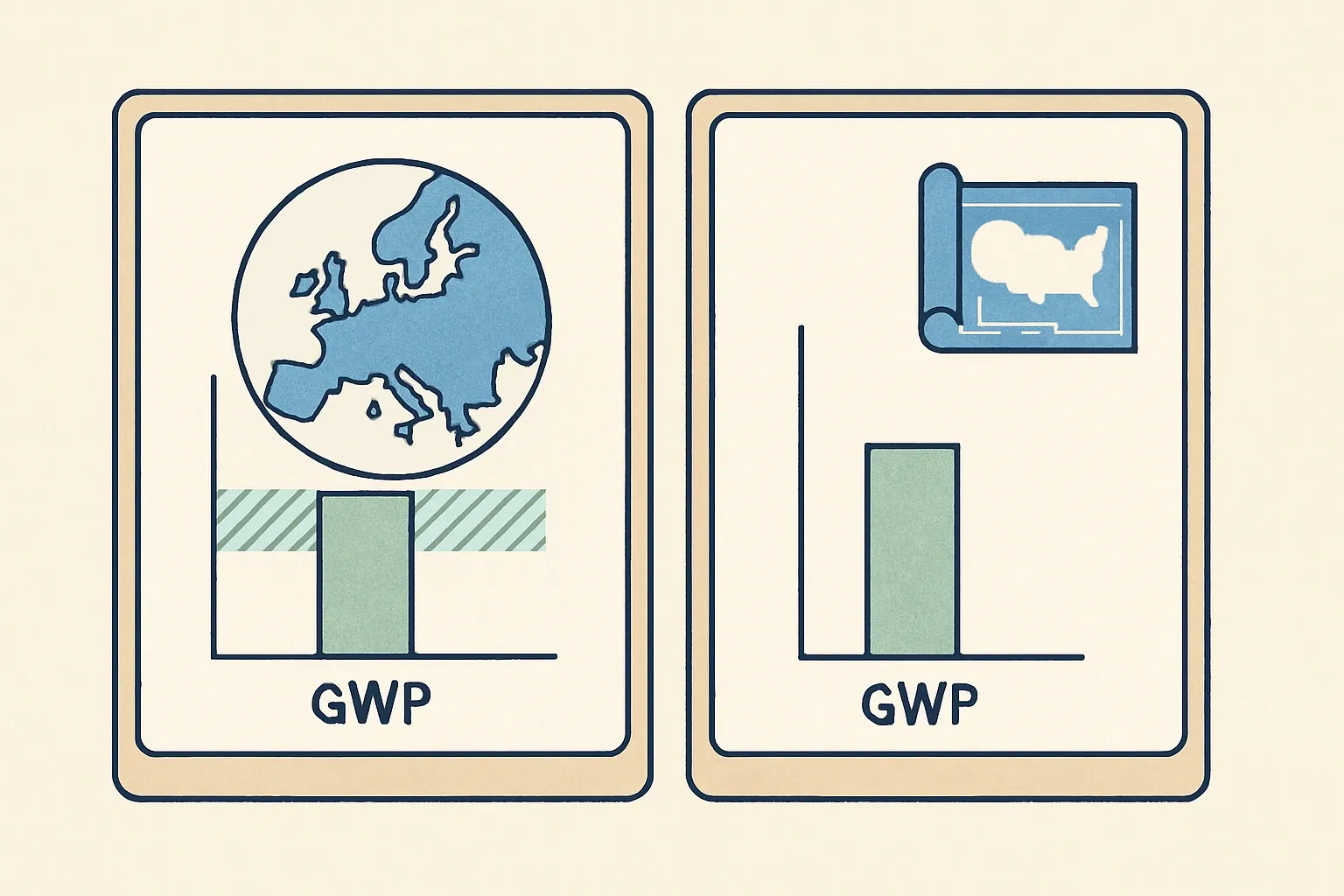
Two EPD types, two jobs
Model or industry‑wide EPDs average data across many producers and apply conservative assumptions so no one over‑claims. They are good for early design comparisons where direction matters more than decimals.
Product‑specific Type III EPDs are tied to a formulation and plant. They capture cleaner energy mixes, low‑solvent chemistries, or packaging improvements that an average would blur. That precision is what specifiers are now rewarding.
Where credits actually differ
LEED v4.1 counts a product‑specific Type III EPD as 1.0 product and an industry‑wide EPD as 0.5 toward the requirement of 20 permanently installed products from at least five manufacturers for the EPD credit (USGBC, 2024). This is why generic documents help with a foothold, while product‑specific documents move projects across the finish line.
The LEED v5 public drafts signal a stronger tilt toward product‑specific transparency for material credits, even if final point weights may shift before ballot. That direction of travel is clear in recent USGBC materials updates, though precise thresholds are still being finalized and should be checked before bid submittals (USGBC, 2025).
Coatings and sealants behave differently
Small formulation tweaks change embodied carbon and VOC profiles. A waterborne acrylic topcoat produced on a grid with higher renewables will often model better than a solventborne equivalent made on a fossil‑heavy grid. If you sell both, a single model EPD can hide a leader and a laggard in the same catalog.
Think of model EPDs as a band’s greatest‑hits album. Fine for a road trip. Product‑specific is the live recording that proves the guitarist can actually shred.
Want to win projects with the right EPD strategy?
Follow us on LinkedIn for insights on using product-specific EPDs to unlock opportunities and improve your bottom line.
When a model EPD is enough
A model EPD can be a smart first step for early market access, especially when a category is just starting to ask for documentation. It can also bridge smaller or legacy SKUs that wont justify a stand‑alone study in the near term.
Use it to learn the data landscape, train internal teams, and identify where the averages are penalizing you.
When to go product‑specific
Choose the product‑specific path when a coating or sealant wins on chemistry or process, not just brand.
- High‑volume SKUs that appear in specs repeatedly.
- Low‑solvent or waterborne systems that materially cut A1–A3 impacts.
- Plants with cleaner electricity or on‑site heat recovery.
- Premium markets where architects discount generic EPDs in submittals.
Make the jump without drama
Start by confirming the right PCR for your category so results are comparable to competitors. Then lock a reference year and site, since utility and waste data are gathered to that period. Plan verification and publication with a recognized program operator and align timing with launches or major bids. EPDs are typically valid for five years, which helps schedule portfolio refreshes without constant rework (EPD International GPI, 2023).
Collect what moves the needle first. Resin and solvent recipes, plant energy, solvent recovery, packaging, and transport distances usually dominate for coatings and sealants. Nice‑to‑have details can follow in the next revision.
What to ask an LCA partner
Ask how they will handle data wrangling inside the organization rather than pushing it back to your R&D or plant team. Confirm they are program‑operator agnostic, can pre‑flight LEED documentation, and will propose a portfolio plan that sequences model and product‑specific EPDs across the next renewal window. Speed matters, but so do dependable numbers that survive third‑party review.
The commercial call
Model EPDs keep doors open. Product‑specific EPDs earn the seat at the table when credits and internal frameworks rank products by their own numbers. If competitors arrive with product‑specific declarations while you rely on averages, their bids start with a head start that pricing alone rarely closes.