What counts as an industry‑wide EPD in lighting
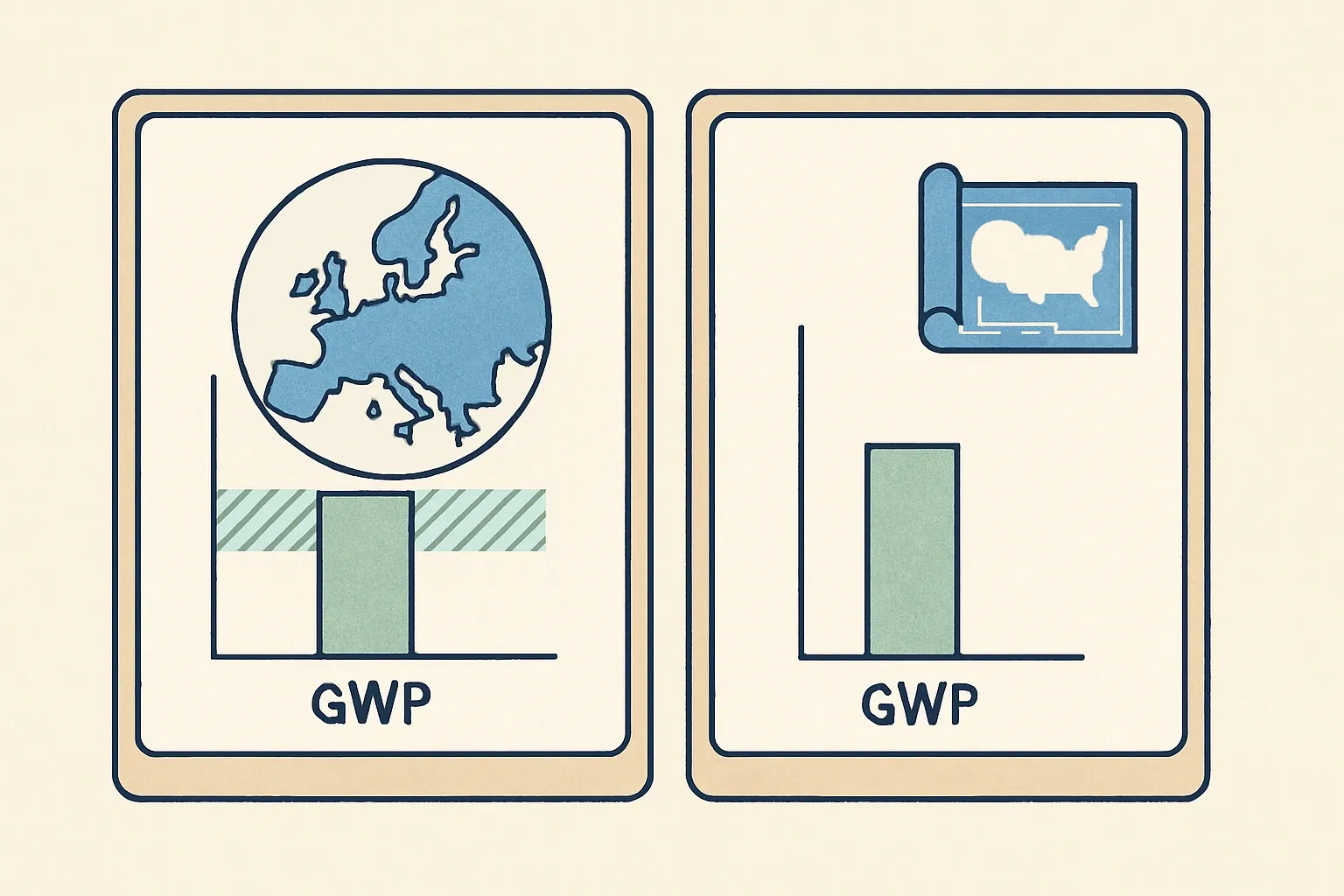
An industry‑wide EPD is a third‑party verified average that represents a category across multiple manufacturers. In lighting, it would aggregate materials and processes for a defined functional unit, typically under ISO 14025 and EN 15804 or an electrical PCR such as EN 50693. Think of it as the league average stat line rather than any single player’s form.
What exists today for emergency lighting
Across the US, UK, and EU, we do not see a publicly available, association‑published industry‑wide or sector average EPD dedicated to emergency lighting or exit signs as of December 10, 2025. Program operators do provide luminaire PCRs and verification routes, but those lead to manufacturer‑specific EPDs rather than a single cross‑industry average for emergency units.
Useful adjacent standards you can publish under
Two common routes are used for lighting products. Many building‑aimed luminaires use EN 15804 Part A plus a luminaire‑specific Part B from a program operator. Others, especially electrical and electronic equipment, use EN 50693 aligned PCRs with program operators that accept those studies. Either route yields a product‑specific EPD that is procurement‑ready. EPDs are generally valid for 5 years before renewal, barring major changes in the product or process (EPD International, 2024).
Want to unlock more projects in emergency lighting?
Follow us on LinkedIn for insights on how product-specific EPDs can help you win tenders and boost your ROI.
Who already has product‑specific EPDs in this space
Several mid‑sized lighting manufacturers publish product‑specific EPDs for luminaires that are often specified with emergency options. Examples include Fagerhults Belysning AB and Luceco under European operators. In North America, Bega publishes product‑specific declarations under a US operator. These are not tiny niche players, and they are not megacorps either, which makes the competitive signal pretty clear.
What this means for emergency lighting manufacturers
When a project team lacks a product‑specific EPD for emergency lighting, modelers default to conservative datasets or generic factors. That is like playing a racing game with the handbrake on. A verified, product‑specific EPD lets the building LCA use your real bill of materials and energy, not a padded estimate. In many scoring systems and owner requirements, product‑specific declarations are weighted higher than sector averages, which nudges specifiers toward products with their own EPD.
ROI in plain terms
Emergency lighting is mandatory and cannot be value‑engineered away. Being the only bidder with a current, verified EPD reduces substitution risk and keeps the door open on performance‑based projects. We see teams recoup the investment quickly once they win a few additional specs, sometimes on the very next mid‑sized project. The cost of the EPD is dwarft by the incremental revenue unlocked.
If you were hoping for a sector average
A sector average EPD would be convenient but it also freezes you at the average. Even if an association issues one later, it will be a conservative midpoint. Manufacturers who move first with a product‑specific EPD tend to look better than that midpoint, because they can reflect actual materials, recycled content, and factory energy improvements instead of a baked‑in estimate.
How to move fast without the busywork
Pick the PCR your competitors use, confirm system boundaries, then gather one reliable reference year of data for materials, energy, packaging, and scrap. Choose a program operator familiar to your buyers. Keep your bill of materials traceable and your energy meters clean. That groundwork turns into a high‑confidence LCA and a third‑party verified EPD with minimal friction.
Bottom line for emergency lighting teams
There is no recognized industry‑wide EPD for emergency lighting right now. Competitors are publishing product‑specific EPDs for luminaires and emergency units, and those are the declarations that win more specs because they replace conservative defaults with your real performance. Go specific, go verified, and turn compliance into a commercial edge.