The short answer
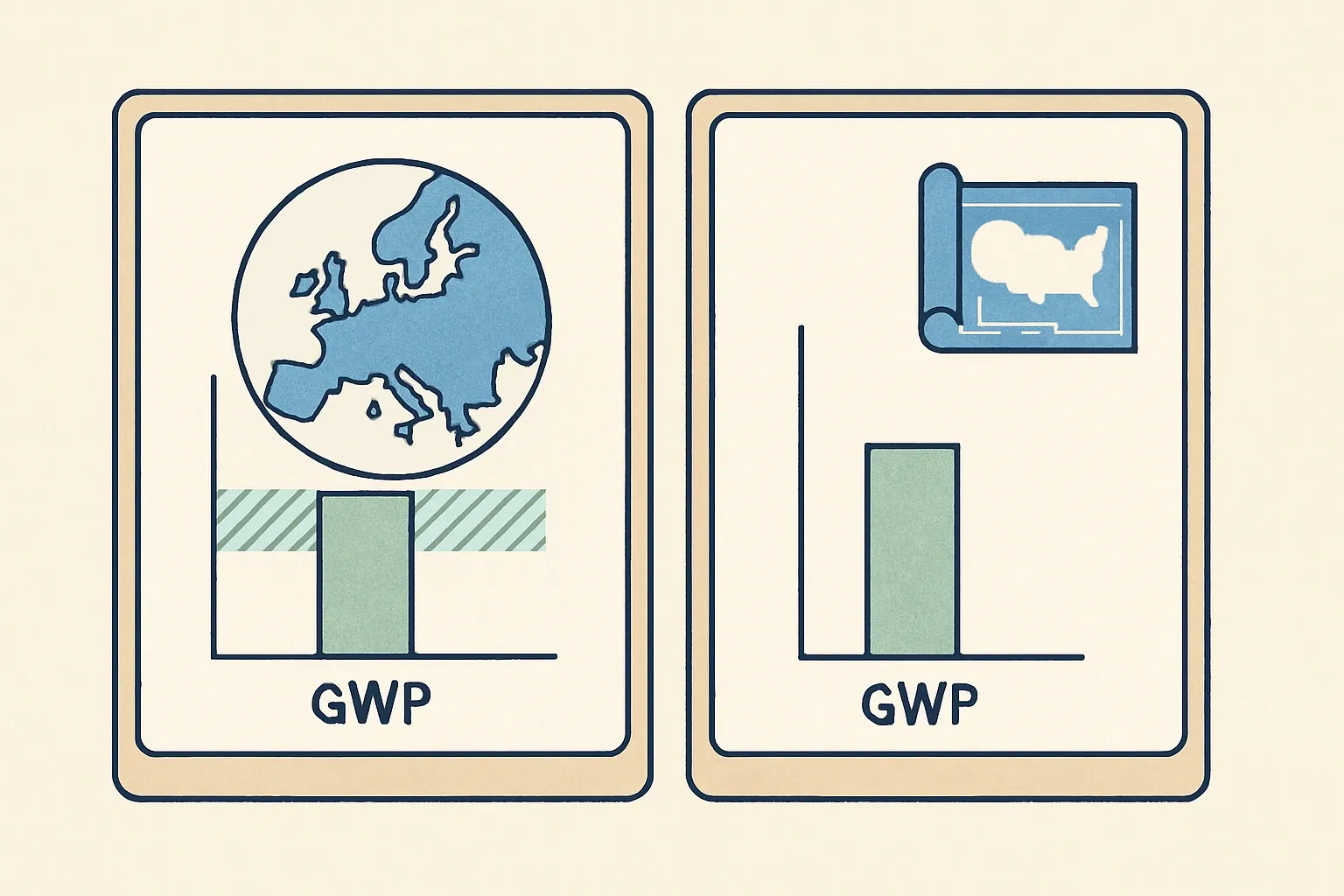
As of December 11, 2025, we found no industry-wide or sector average EPD for raised access floors in the US or Europe. What exists are product-specific EPDs from individual manufacturers, published under several program operators.
Where we looked
We reviewed current EPDs and the Product Category Rules (PCRs) used to publish them across leading operators commonly chosen for building products, including IBU, EPD International (Environdec), EPD Hub, SCS Global Services, INIES, and EPD Italy. We also checked regional PCR coverage to confirm if an association-level, sector-average option is live for access flooring.
Europe and the US today
Access flooring is well covered by product-specific EPDs. Examples include Kingspan Access Floors, Lindner, Bathgate Flooring, JVP, Nesite, and Tate. These declarations appear under operators such as EPD Hub, IBU, EPD International, SCS Global Services, and INIES. If your team needs a model to follow, these are proof points that buyers and project teams already expect product-specific data in this category.
Japan is the outlier on PCRs
In Japan, the SuMPO program has a dedicated “Raised floor” PCR, and multiple manufacturers publish product-specific EPDs under it. That shows strong category definition, but it is still not an industry-wide EPD. It is individual brands reporting to a shared rulebook.
Are you in the access flooring industry?
Follow us on LinkedIn for insights on how product-specific EPDs can help you win more specs and unlock new business opportunities.
Why an industry-wide EPD might sound good but plays safe
Sector averages are built to represent a typical product. In practice that means conservative modeling and default datasets. If your factory has better energy, recycled content, or logistics than the baseline, an industry-wide number cannot showcase it. It puts every bidder in the same jersey.
The commercial risk of “conservative”
When a whole-building LCA must fill gaps, the fallback is often generic, high-end impact factors. That can make a low-carbon system look ordinary. A credible, product-specific EPD lets your actual process data show up in the model so you are not graded against a pessimistic estimate. This is where specs are won or quietly lost.
Positive examples you can benchmark
- Bathgate Flooring, UK. Product-specific raised floor panel EPDs published via EPD Hub.
- JVP, Italy. Access floor panels with fiberboard and particleboard cores listed with EPD International.
- Nesite, Italy. Calcium sulphate and particleboard panel EPDs via EPD Italy and INIES.
- Lindner, Germany. System floors and panels under IBU’s “System floors” Part B PCR.
- Tate, US and UK. Access floor panels and data center variants with EPDs via SCS Global Services and EPD Hub. These represent mid-sized to established specialists, not just global giants. Your competitors are already on the field.
If no industry-wide EPD exists, does a product-specific one pay off
Yes. With a product-specific EPD, project teams can count your verified numbers. That reduces substitution risk, supports carbon targets, and keeps you in the running without having to discount on price. We see the ROI materialize in specification stickiness and shorter back-and-forth on sustainability submittals. It definately helps sales avoid dead-ends.
How to move fast, without the drama
Pick the right PCR. For most EU projects, IBU’s Part B for system floors or EPD International’s EN 15804+A2 framework are common. In North America, SCS Global Services and EPD Hub routinely publish construction EPDs. A great LCA partner will confirm the best fit by mapping competitors’ references, your renewal horizon, and target markets. Then make data collection painless by pulling one recent reference year of energy, materials, transport, waste, and volumes. That unlocks a reliable, third‑party verified EPD on a timeline commercial teams can work with.
Bottom line for spec wins
There is no active industry-wide EPD for raised access floors in the US or Europe. The market runs on product-specific EPDs. If you publish one for your access flooring system, you control the number buyers see, instead of living with a conservative average. In a tight bid room, that difference is the margin between almost and awarded.