What counts as a “corrosion protection system”?
Corrosion protection is an umbrella. It includes hot‑dip galvanizing, thermal spray metallizing, duplex systems that combine zinc and paint, and multi‑coat paint systems aligned to ISO 12944. Because these routes differ in chemistry, service life, and maintenance rules, one universal sector EPD rarely fits them all.
Where an industry‑wide EPD exists right now
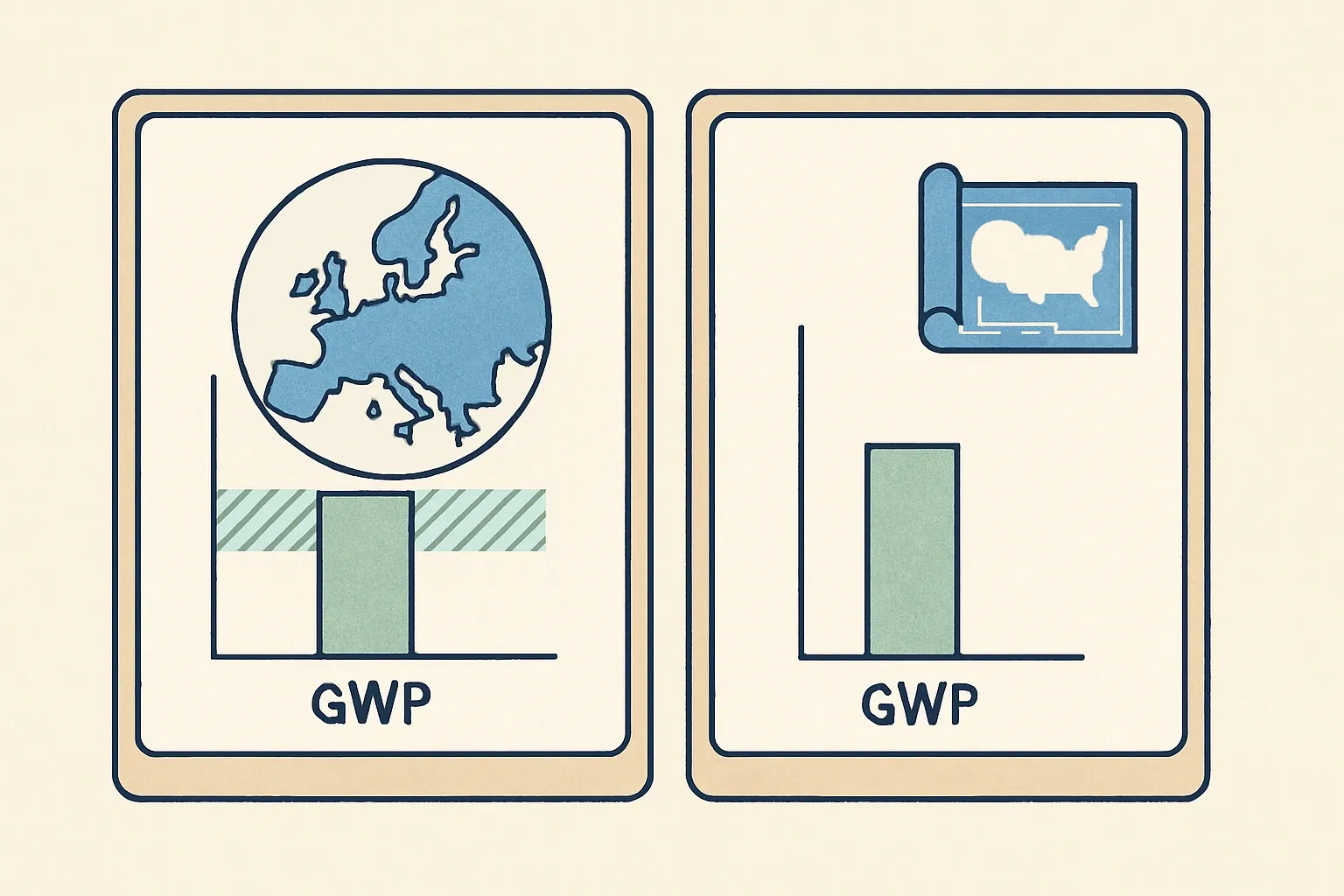
Hot‑dip galvanizing has active or recently updated sector EPDs in multiple regions. These EPDs are developed by trade associations and published with recognized program operators. Links below point to the association pages or registries.
- United States and Canada: American Galvanizers Association industry‑wide EPD for after‑fabrication galvanizing, verified and available on request through AGA. https://galvanizeit.org/epd
- Germany and EU context: Industry association EPD for hot‑dip galvanized structural steel, published with IBU and in force as of December 2025. https://www.feuerverzinken.com/aktuelles/news/veroeffentlichung-neue-epd-fuer-feuerverzinkten-baustahl
- Europe historic reference: EGGA sector EPD listed by EPD International, now marked expired. https://www.environdec.com/library/epd/s-p-01928
- Australia and New Zealand: Galvanizers Association of Australia sector EPD published with EPD Australasia, now expired and pending refresh. https://epd-australasia.com/epd/galvanized-steel-after-fabrication/
Where an industry‑wide EPD does not exist
We did not find a current, cross‑manufacturer sector average EPD that covers the broad family of paint‑based corrosion protection systems for steel structures. National associations sometimes discuss the idea, but coverage that spans the common ISO 12944 systems and stays current across formulas and plants is not available today. If a new one appears, it will likely be scoped narrowly to a technology or system class, not the whole category.
Manufacturing corrosion protection systems and want to stand out?
Follow us on LinkedIn for insights that help you leverage product-specific EPDs to win more projects.
Why sector averages are conservative by design
An industry‑wide EPD compresses many plants, recipes, and energy mixes into one profile. That average must make cautious assumptions about binders, pigments, solvents, curing, and packaging. It often excludes site‑specific efficiency gains that many producers have already banked. In whole‑building LCAs, generic or averaged datasets can also be treated conservatively by modelers and certifiers, which subtly penalizes the product versus a verified product‑specific EPD in the same spec set.
The commercial takeaway
If your product performs better than the average, a product‑specific EPD lets that performance count on day one. Specs that require third‑party verified data will accept a sector EPD, but it rarely showcases your true footprint or durability assumptions. Teams that arrive with a product‑specific declaration typically face fewer questions, move faster through submittals, and avoid being swapped late in design because the numbers finally match the promise. That speed translates into wins. Dont leave it to chance.
Examples of manufacturers with product‑specific EPDs
Several protective‑coatings manufacturers already publish product‑specific EPDs for primers, epoxies, polyurethanes, and zinc‑rich coatings.
- Carboline has multiple current EPDs under the Architectural Coatings PCR covering steel primers, epoxies, and polyurethane topcoats with a U.S. operator.
- Tnemec publishes product‑specific EPDs for resinous systems and protective coatings families with a U.S. operator.
- Jotun lists a large catalog of coating EPDs across Europe and Asia with EPD Norway as operator.
These examples show that peers are investing in specific declarations even without a catch‑all sector average for paint‑based corrosion protection systems.
Picking the right route for your portfolio
Start with your highest‑volume systems by segment. Where galvanizing competes in your channel, a regional sector EPD can cover baseline submittals while a product‑specific EPD on your top system differentiates you in LCA‑sensitive bids. For ISO 12944 coating systems, go straight to product‑specific EPDs that reflect real plant utilities, solvent balances, and curing energy. That is the data owners and GCs want in 2026 project models.
Final word
If you manufacture corrosion protection systems, assume the sector average is the floor, not the ceiling. Where a hot‑dip galvanizing industry‑wide EPD exists, use it as a reference and still plan a product‑specific declaration for competitive projects. Where no sector EPD exists, the first credible product‑specific EPD becomes the reference others must meet. That is a strong place to be.