The short answer
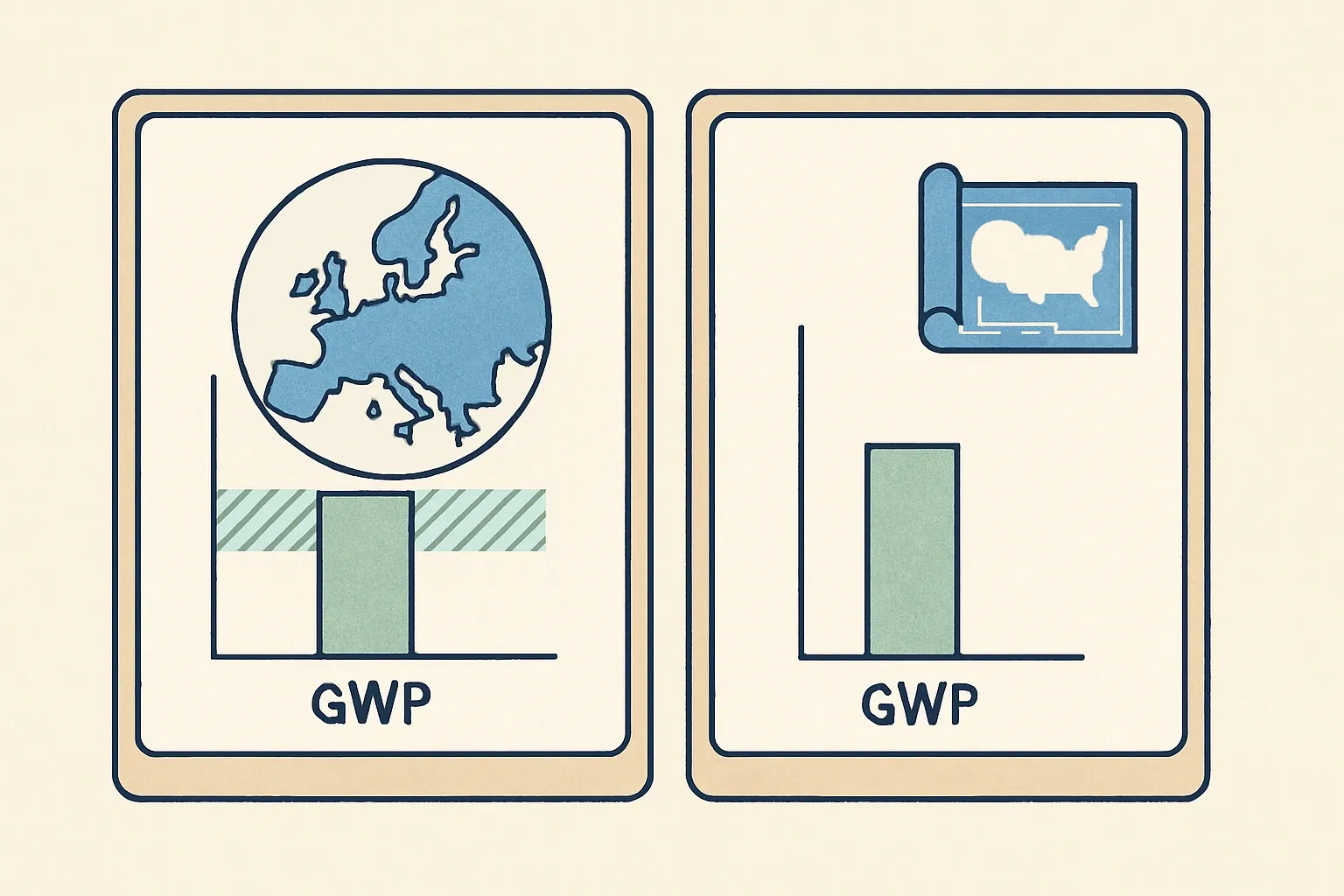
There is no active, association‑authored industry wide EPD for “exterior facade paint” in the US or EU right now. Trade bodies have helped write the rulebooks, but the published declarations in this category are overwhelmingly product specific architectural coatings EPDs.
What does exist instead
Two rule sets cover most paint EPDs today. In North America, manufacturers publish under the “Architectural Coatings” PCR. In Europe, coatings are declared under EN 15804 using Part B for coatings with organic binders. Program operators like UL, NSF, EPD International, IBU and EPD Norway regularly post new paint EPDs. These are brand and product specific, which is exactly what specifiers and whole‑building LCA tools want to see.
Region snapshots and real examples
- Middle East and North Africa. Caparol Paints LLC has multiple EPDs under EPD International AB for exterior emulsions like Nano 360 and elastomeric anti‑carbonation lines, valid through 2027.
- Nordics and Europe. Jotun publishes numerous façade and texture paints with EPD Norway, including exterior lines such as Jotashield Tex Medium and other facade‑ready systems, with many valid into 2028 and 2029. Tikkurila lists exterior wood stains and primers at EPD Hub with current validity windows into 2028 and 2029.
- Southern Europe. Mapei’s Silancolor Pittura Zero is declared at EPD International AB with validity into 2029, a good example of a breathable silicone‑based facade paint EPD.
- UK and France. DAW group brands have paint declarations in national hubs like INIES. Several are current for the French market and demonstrate that national operators remain a strong route to market.
- United States. Major operators host many exterior paint EPDs for popular lines such as exterior acrylic latex families. Even where a brand’s portfolio is huge, project teams still filter by the individual product EPD.
These are not endorsements. They simply show that mid‑sized and regional coatings makers already use product specific EPDs to compete in facade work. Your closest competitors likely do, too.
Want to win more bids with facade paints?
Follow us on LinkedIn for insights on leveraging product-specific EPDs to unlock opportunities and enhance your ROI.
Why a sector average EPD would be a conservative ceiling
An industry wide EPD must represent an average product. To be fair across many formulations and plants, it typically lands on conservative inputs for binders, solvents, packaging, and distribution. In whole‑building LCAs, generic or sector‑average values often trigger additional conservatism in software defaults, which can make a material look heavier than it actually is in A1 to A3. A verified product specific EPD replaces those assumptions with measured data from your recipe and plant. That closes the carbon “penalty gap” instantly.
The commercial takeaway for facade paints
- Product specific EPDs help win more specifications. When a project must document embodied carbon at the assembly level, the modeler assigns a real, verified value to a product with a current EPD. Products without one typically inherit a tougher, more pessimistic default. That is the difference between being shortlisted or swapped late in design.
- ROI is typically manyfold of the EPD investment. One mid‑sized facade repaint or new‑build envelope can repay the effort. Teams rarely see the bids they never made because carbon documentation was missing, which is why the upside gets underestimated.
How to move from idea to published EPD quickly
- Pick the right PCR and operator up front. In the US, Smart EPD and UL are common choices for architectural coatings. In Europe, IBU and EPD International are frequent homes for paint EPDs. The PCR choice affects comparability in your target market.
- Scope a representative product set. Start with your volume exterior lines first, or the hero facade system that opens doors with specifiers.
- Make data collection painless. A partner that handles plant outreach, utilities pulls, batch card sampling, and cut‑sheet verification will save R&D and operations weeks of time so they can stay on core work. Publishing then becomes a predictable sprint, not a slog.
Bottom line for searchers of an “industry wide EPD for exterior facade paint”
There is no live sector average EPD to download and use today for facade paints. The winning play is a product specific EPD that reflects your actual resin system, pigment load, and fill rate, published with a reputable operator. It is faster than you think and it pays back in specs. If you have been waiting for a “generic facade paint EPD,” that wait is costing real pipeline. It’s definately time to own your number.