Two environments, two playbooks
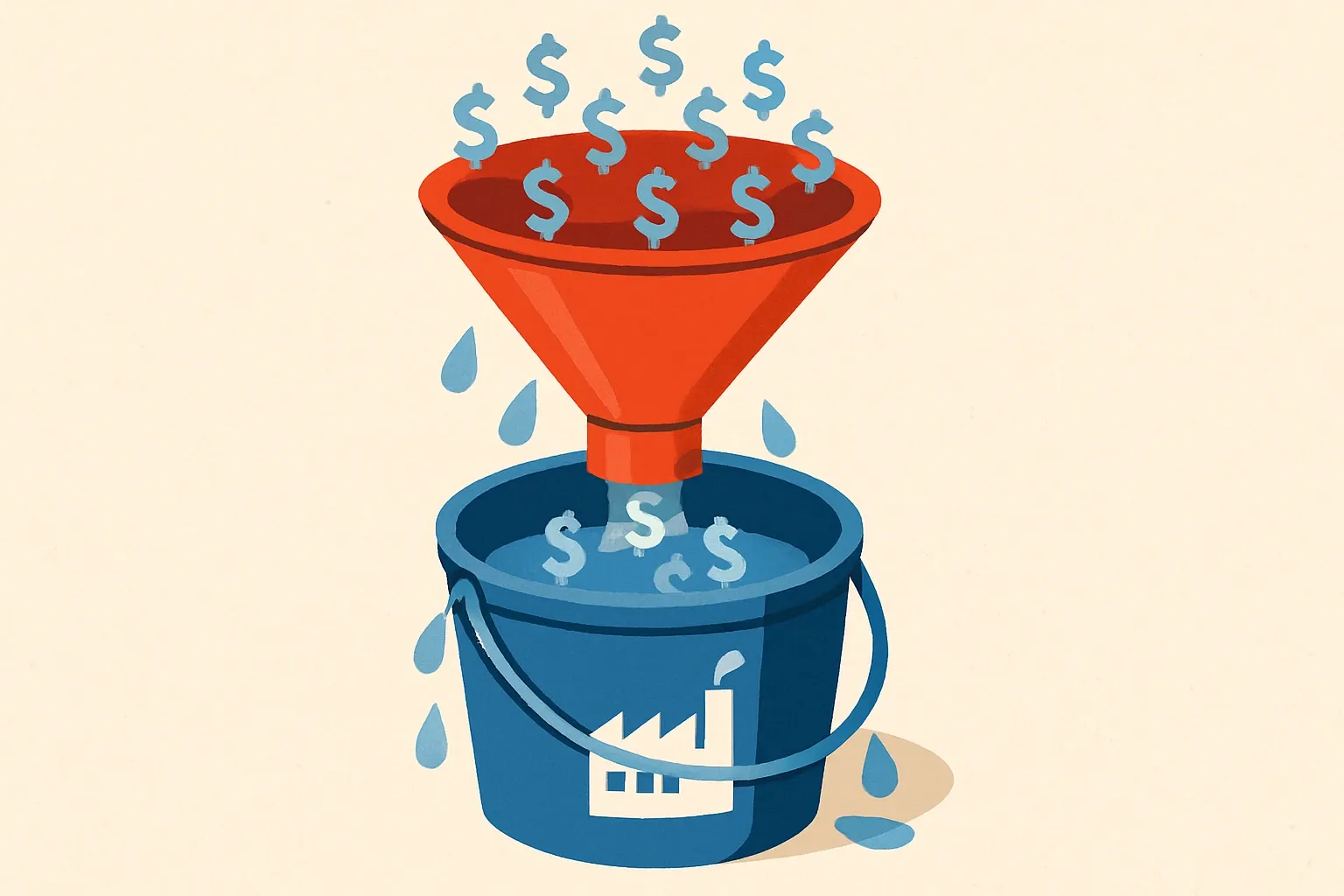
A lightweight, centralized setup shines when there is one or two plants, a manageable SKU set, and a single place where final documents live. Think compact toolbox on a tidy shelf.
A platform earns its keep once the product line expands, facilities multiply, and documentation branches into EPDs, HPDs, VOC certificates, and LEED evidence. The team stops building and starts searching. That is when response time becomes a revenue problem.
Why this matters commercially
Owners and designers are doubling down on whole‑life carbon, which keeps product‑specific EPDs in submittals. Buildings accounted for 37% of energy and process‑related CO2 emissions in 2022, so materials transparency stays in scope for projects that care about carbon (UNEP/GlobalABC, 2024) (UNEP/GlobalABC, 2024).
LEED v5 was ratified on March 28, 2025 and elevates decarbonization, which means more frequent requests for verified, product‑specific documentation in bids and RFIs (USGBC, 2025) (USGBC, 2025).
The breakpoints that tip you into platform territory
If two or more of these are true, the platform case is growing strong:
- Three or more document families are required regularly (EPD, HPD, VOC, Declare, LEED v5 evidence).
- Variant SKUs by region or plant cause frequent spec confusion.
- RFQs repeatedly ask for the same data in slightly different formats, and answers are being rebuilt each time.
- Verification or renewal calendars sit in personal spreadsheets that only one person understands.
- Sales or technical service are fielding more than a handful of documentation RFIs per week.
Want to turn EPDs into revenue-generating assets?
Follow us on LinkedIn for insights that help you speed up RFQs and enhance your competitive edge.
A quick RFQ speed test
Open the last five RFQs. For each, note minutes spent to assemble an EPD pack, track down plant‑specific details, and validate version dates. If the median crosses your acceptable target by more than one third, the current stack is holding you back. Reliable cross‑industry time averages are hard to pin down because scopes differ, so measure your own baseline first.
When documentation multiplies, confusion does too
A single EPD can anchor a product page. Add HPDs, VOC certificates, recycled content claims, and LEED v5 evidence tables, and the submittal pack turns into a mini library. Without a product intelligence layer, version drift sneaks in. Teams answer from memory. Someone copies an older PDF. The data collection and version control is messy.
Multi‑plant reality check
Multiple plants are powerful for lead times and freight, yet they spawn different utilities, scrap rates, and formulations. That means different LCAs and sometimes separate EPDs. A platform helps hold plant context next to each claim, so sales can say yes without phoning a process engineer at 7 a.m.
A simple scoring lens for smaller, centralized portfolios
Use this three by three:
- Portfolio complexity: small, moderate, high.
- Plant count: one, few, many.
- Documentation scope: single, multi, enterprise.
If two rows land in the rightmost column, plan the platform. If all three sit in the left column, keep your lightweight stack and set a quarterly review. It is that straitforward.
What an AI‑enabled layer should actually do
Look past buzzwords. The right layer should:
- Orchestrate white‑glove data collection from operations, quality, and procurement, then keep a clean audit trail.
- Store one source of truth for every credential with plant, SKU, and date context.
- Generate submittal packs in buyer formats and validate dates before anything ships.
- Track PCR and verification timelines so renewals start on time, not in a panic.
- Publish with the program operator of your choice in your target markets.
The renewal clock still rules
Most program operators set EPD validity to five years, which drives your refresh rhythm and staffing plan (EPD International FAQ, 2025) (EPD International FAQ, 2025). A platform that surfaces expiry risk next to active bids prevents last‑minute scrambles that slow RFQ cycles.
Stay lean until the curve bends
If your world is centralized and calm, resist the urge to over‑tool. The moment requests span multiple document types, plants, and SKU variants, an intelligence layer pays back in speed, fewer handoffs, and tighter answers that keep products in play. The cost of getting EPDs and related proof right is routinely eclipsed by even one mid‑sized spec win, which is the point of doing this work at all.