Why storytelling matters to the bottom line
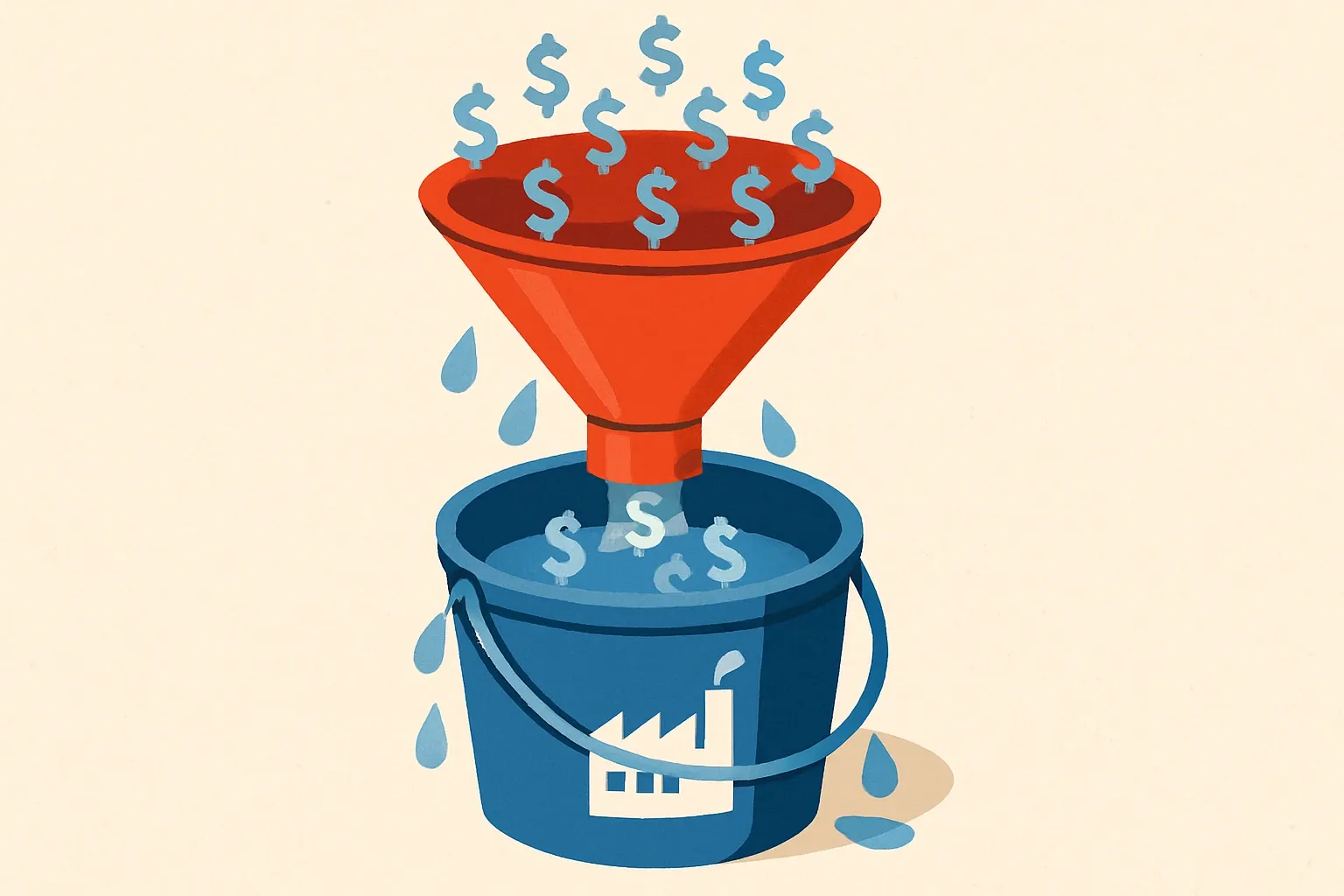
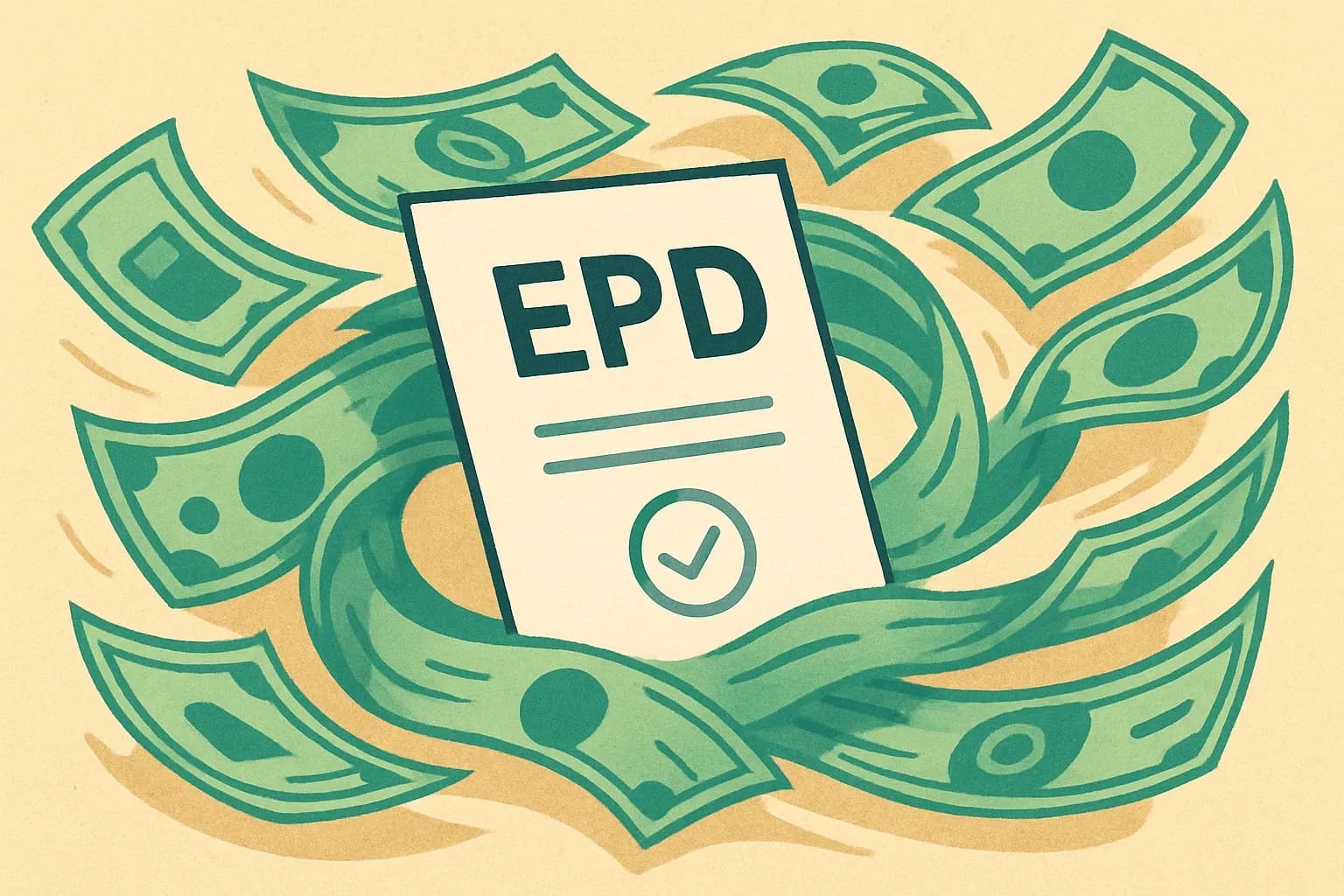
The built environment drives 37 percent of energy related CO₂ emissions, so owners and design teams face rising pressure to show reductions with materials that come with proof, not promises (GlobalABC, 2024) (GlobalABC, 2024). EPDs and HPDs are the portable proof. A tight narrative around them keeps you out of price only fights and in more shortlists.
The spine of the story starts with your LCA
Think of the LCA as the script and the EPD as the released episode. Lead with A1 to A3 results for the declared unit, then explain what drives the number. Energy mix, clinker factor, recycled content, transport mode. Plain language wins. Two strong sentences beat a page of algebra.
Say the number, then say the now
Publish the current GWP figure for the product as shown in the EPD. Follow with what changed since the last renewal or baseline. EPDs typically carry a five year validity under ISO 14025 rules, so pick that renewal rhythm for progress checkpoints (Environdec, 2024) (Environdec, 2024). If the product is new, note when a prospective EPD will be refreshed using a full year of data.
Five beats every sustainability story should hit
- The stake: which market signal you are meeting, such as LEED v5 direction on embodied carbon.
- The measure: declared unit, system boundary, and the GWP number customers will reuse.
- The moves: the three levers you pulled this year, factory first.
- The roadmap: the next two levers with clear owners and dates.
- The receipts: link to EPD, HPD, and verification details so teams can drop them in submittals instantly.
Ready to turn EPDs into revenue generators?
Follow us on LinkedIn for strategies that help you win more specs and boost your bottom line.
Show receipts that travel across bids
Share program operator, verification status, and publication date in one box. Architects and GCs copy that box into submittals over and over. Keep the file names clean and predictable. No mystery PDFs. If regional versions exist, label them by plant and electricity market so they are actually usable.
Make the factory the hero
People remember scenes, not spreadsheets. Photograph the scrap reduction change at the line. Quote the ops lead who tuned the kiln profile. Keep jargon light. This is a Marvel origin story for your product, not a standards lecture.
Cadence beats slogans
Adopt a steady release rhythm. Quarterly or semiannual progress notes that point back to the EPD earn more trust than one big splash. Small, verified moves compound. A tiny reduction that ships is better than a moonshot that stalls. This is how reputations are built, not with slogans.
Match the moment in policy and procurement
Policy signals in the United States shifted in early 2025, yet owners still ask for transparent, third party verified data. In Europe, CSRD reporting expands to about 50,000 companies, which increases the appetite for supplier level evidence in the files they attach to reports (European Commission, 2024) (European Commission, 2024). Your story should be built to slot directly into these workflows.
Make data collection painless or it will not happen
Great storytelling depends on dependable inputs. Put one owner over plant utilities, one over materials, one over transport, and one over verification. Use a process that pulls data from source systems, not email archaeology. A partner that handles cross functional chasing and project management will save your R&D and plant teams real time. Speed, ease, quality, completeness. Pick all four.
Avoid the traps that sink credibility
- Vague claims without a number. If it is not in the EPD, say so.
- Mixing cradle to gate and cradle to grave without labeling the boundary.
- Overpromising dates. Miss once and readers stop believing the next update.
What good looks like in 120 words
Here is a template you can adapt. Product X cut cradle to gate GWP 9 percent versus our 2023 baseline, driven by a new electricity contract at Plant A and 18 percent higher recycled content in our feedstock. Declared unit is one square meter. System boundary is A1 to A3. Third party verified EPD published June 2025 with operator and verification details linked below. Next steps are a modal shift to rail for inbound aggregate and a packaging change that removes single use film. Owners are Operations and Logistics, with milestones in Q3 and Q4. We will report again at renewal or sooner if the rail project lands early. Thats it. Clear, portable, verifiable, and definately useful.
The compounding effect
A credible story backed by tidy EPDs and HPDs lifts win rates where carbon accounting is required. One midsize spec win can cover the cost of getting the paperwork right, although exact paybacks vary by category and market. Keep the cadence, keep the receipts, and the market will do the talking.