Treat the EPD as a revenue tool
An Environmental Product Declaration is more than paperwork. It is a passport into projects where embodied carbon is tracked and compared. With a product specific, third party verified EPD, estimators avoid generic penalty factors and keep your product in scope during value engineering. We see the EPD as a sales asset that moves with the bid flow, not a static PDF.
Aim ROI where the market is largest
U.S. construction spending topped two trillion dollars on an annualized basis in late 2024, which means small percentage swings in win rate compound quickly (U.S. Census Construction Spending, 2024). When a spec requires product specific EPDs, the absence of one often removes a product from serious consideration. The fastest payback frequently arrives from one mid sized project, then repeats.
Start with ruthless data collection
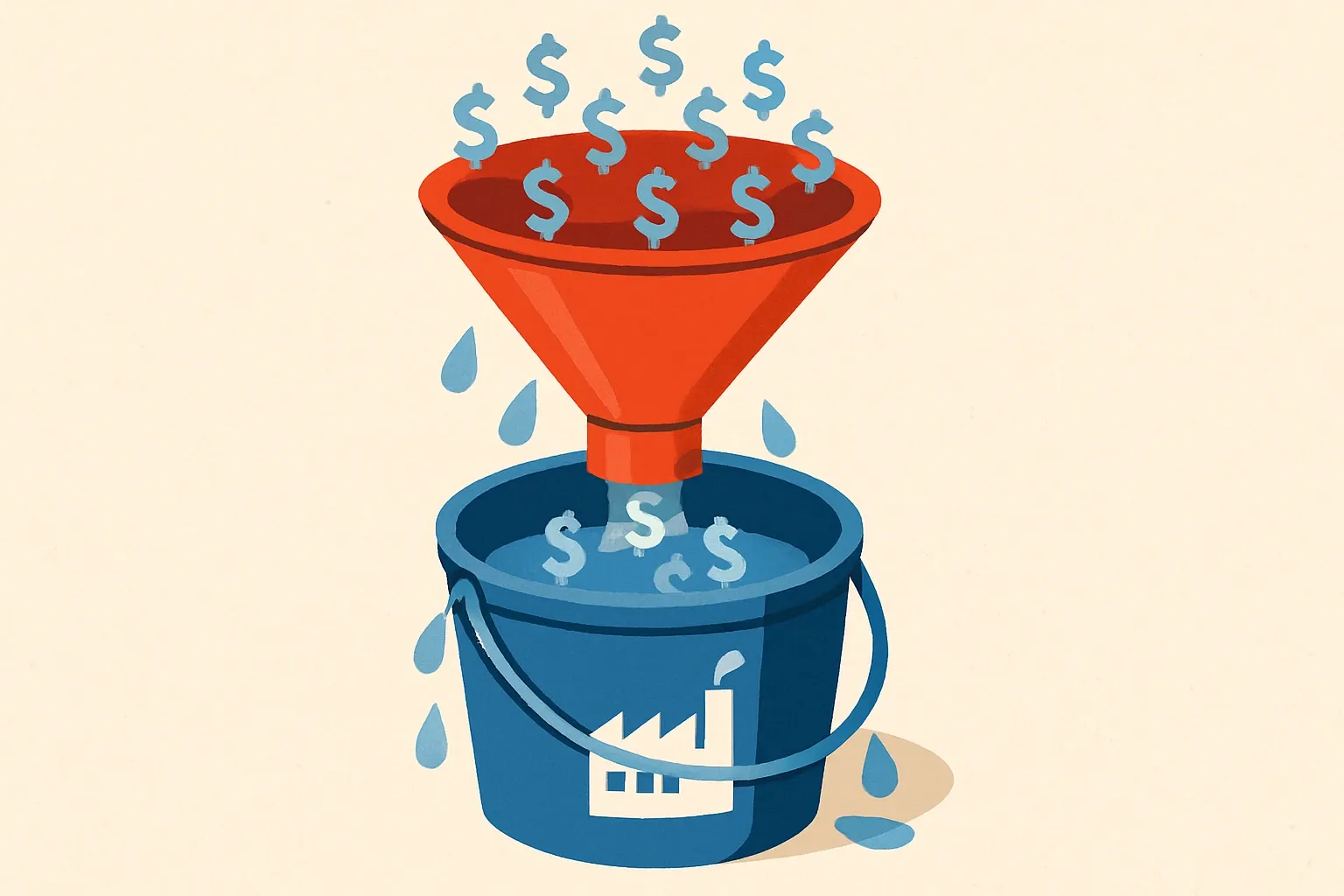
Cycle time is won or lost in data wrangling. Pick a clear reference year, confirm site boundaries, then collect utility, throughput, scrap, packaging, and transport by lane. Use purchase orders and meter reads, not memories. White glove coordination inside operations frees your R&D and plant leads to focus on improvements instead of chasing spreadsheets. Effeciency here multiplies everywhere else.
Pick the right PCR like a game rulebook
A Product Category Rule defines system boundaries, allocation, and impact methods. It is the Monopoly rulebook. Ignore it and every result is arguable. Scan what competitors use, check revision timelines, and confirm alignment with EN 15804 for construction markets. When a PCR expires, your existing EPD does not vanish, it simply needs the updated rulebook at renewal.
Choose the program operator to match your market
Publish where your customers actually look. Common choices include Smart EPD in the United States and IBU in Europe. Selection affects formats, reviewer availability, and where databases surface your declaration. The best path is operator agnostic, focused on speed, credibility, and discoverability.
Want to turn EPDs into revenue-generating assets?
Follow us on LinkedIn for insights that help you unlock new business and win more projects.
Model scope that buyers can compare
For most construction products, cradle to gate A1 to A3 is the baseline. Add A4 transport and A5 installation when those stages influence buyer decisions. Clear assumptions beat optimistic ones. Buyers prefer transparent inventory data, named electricity sources, and transport modes they can audit later.
Plan renewals before the cliff
EPDs typically carry a five year validity window under ISO 14025, which means teams that wait until year five absorb avoidable delays when PCRs update or reviewers book out (ISO 14025, 2010). Start the refresh 12 to 18 months ahead. Align it with product changes, plant upgrades, and new suppliers so the next declaration locks in real reductions rather than paperwork churn.
Build credibility with verification, not slogans
Third party verification is the trust layer. It signals that system boundaries, datasets, and calculations follow the standard. Keep a clean audit trail. Archive data sources, version the bill of materials, and record uncertainty notes. This makes verifiers faster and future renewals easier.
Track policy signals without chasing headlines
Federal incentives shifted in early 2025, yet state and owner requirements still drive demand for product specific EPDs. California’s Buy Clean policy continues to set material limits and documentation paths through state procurement. LEED v5 is advancing with stronger emphasis on embodied carbon disclosure. Focus on what specifiers and owners ask for in actual bid documents, not hype.
Do not forget global sales
If you sell into the European Union, the Corporate Sustainability Reporting Directive expands climate and supply chain disclosures to roughly fifty thousand companies starting with large firms reporting on 2024 financial years. That pressure ripples through supply chains, which raises the value of trustworthy product level data (European Commission CSRD, 2024).
A simple operating rhythm that scales
There are two ways to move faster, build a durable process and remove rework. Standardize data pulls by site, lock a naming convention for inputs, keep a running change log, and schedule quarterly carbon checkpoints with operations. When the next tender drops, your EPD is current, your narrative is ready, and your team is not scrambling.
The short version
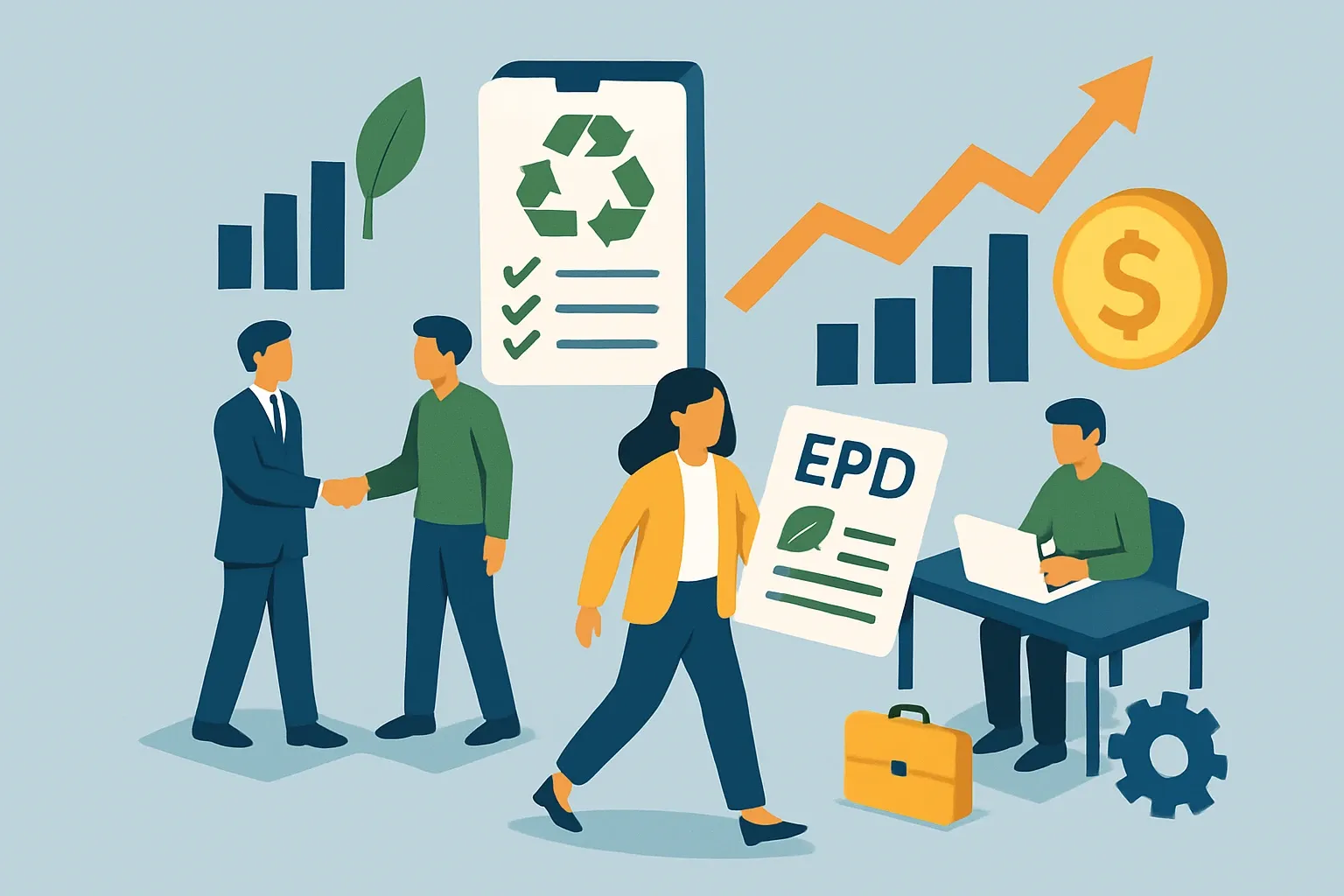
An efficient EPD program saves time, protects margin, and wins specs. Treat the declaration as a living sales asset. Collect real data once, verify well, publish where buyers look, and renew early. That is how environmental transparency turns into commercial momentum.
U.S. Census Construction Spending, 2024
(European Commission CSRD, 2024)