How we scanned the field
We reviewed manufacturers by their primary domains and looked for current, product‑specific tile EPDs mapped to MasterFormat 09 30 in public listings. The goal is simple clarity for specifiers and sales teams making go‑no‑go calls.
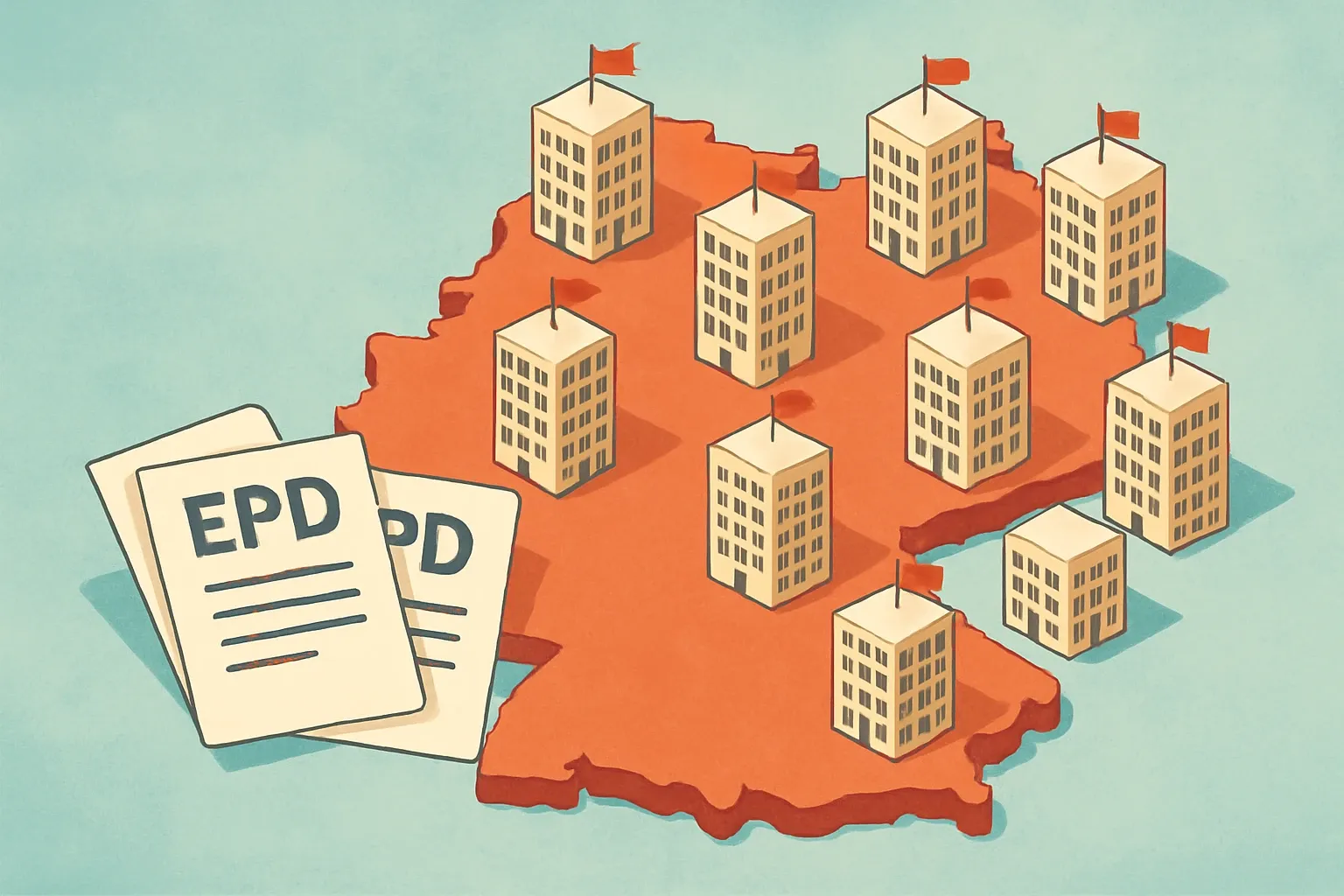
Ten names shaping Germany’s commercial tile market
Are you keeping up with Germany's tile EPDs?
Follow us on LinkedIn for insights that help you stay competitive and win more tenders.
EPD coverage snapshot by brand
Numbers reflect current, product‑specific tile EPDs visible in public listings at the time of review.
- AGROB BUCHTAL: no current tile EPDs found.
- Villeroy & Boch Tiles: 0 current tile EPDs found. One expired listing noted previously.
- Steuler Fliesen: no current tile EPDs found.
- Ströher: no current tile EPDs found.
- Porcelaingres: no current tile EPDs found.
- Boizenburg Fliesen: no current tile EPDs found.
- Interbau‑Blink: no current tile EPDs found.
- NordCeram: no current tile EPDs found.
- Kerateam: no current tile EPDs found.
- Jasba: no current tile EPDs found.
If your product sits in this set without a current EPD, project teams will default to conservative carbon estimates that make you look heavier than you are. That math pushes you out of shortlists even when performance is excellent.
Why this matters in bids
On public and large private work, product‑specific EPDs help projects document embodied carbon reliably. Without one, a product can carry a penalty in the model, so the “green premium” becomes a pricing problem. With one, submittals move faster and value engineering is less likely to swap you late in the game.
What fast followers do next
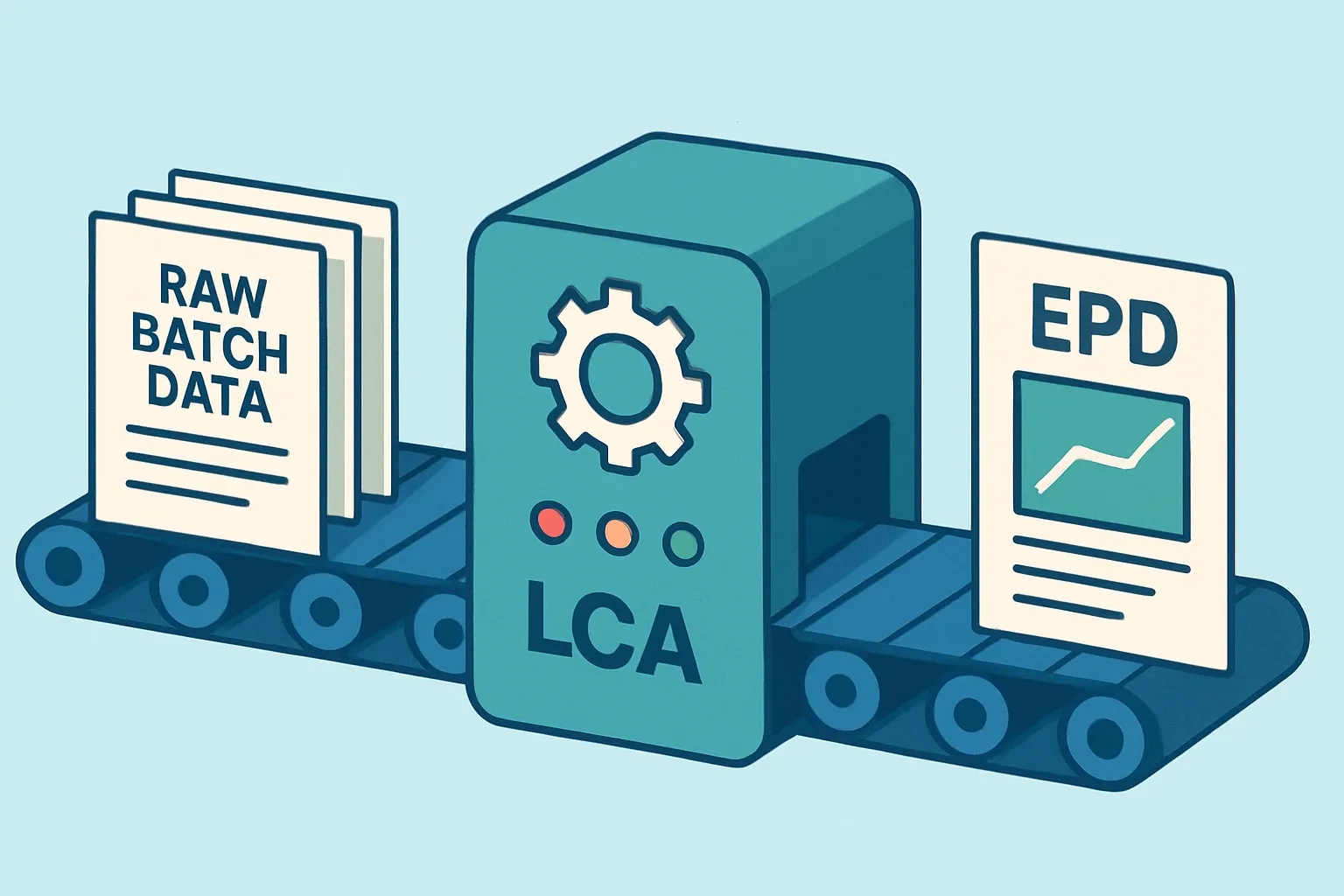
Pick one high‑volume series and scope an LCA boundary that matches how it’s actually made. Lock a clean reference year and gather plant utilities, raw material mixes, yield, scrap, and transport. A strong partner will run the model, close data gaps with defensible proxies, and route the declaration to the program operator that fits your market. We favor workflows that lift the load from production and R&D so teams don’t stall day‑to‑day ops. It’s white‑glove, not DIY.
Operator landscape in Germany, briefly
Most tile EPDs serving the German market are published under European program operators familiar to specifiers, with IBU widely recognized by architects and GCs. Verification quality and comparability come from choosing the correct PCR and documenting assumptions cleanly. That makes your numbers dependable across bids.
Quick checklist to get tile EPD‑ready
- Confirm the exact product scope and surface finishes to be covered.
- Pull a clean year of plant data and supplier declarations for the body and glazes.
- Capture packaging, palletization, and common transport routes to distribution.
- Align the PCR and declared unit with competitors so results compare apples to apples.
- Build a renewal calendar so nothing quietly expires again.
The opening is real
Germany’s commercial tile category is under‑reported on enviromental declarations. First movers can turn transparency into a durable spec advantage. If your brand appears above without a current tile EPD, the fastest win is to start with the series that sells most into projects and ship that declaration first.