Why more cullet moves the needle
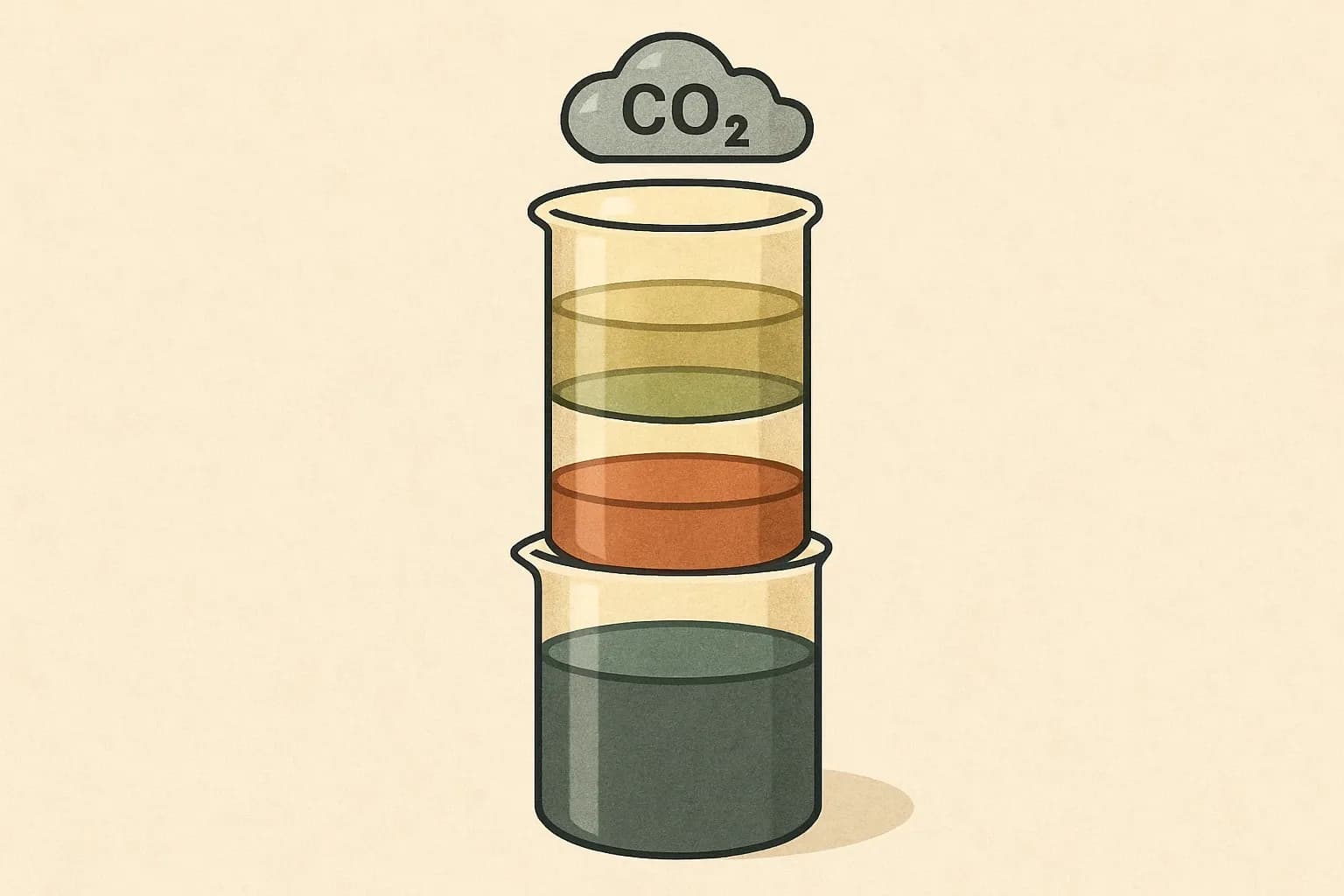
Melted glass wants to be melted again. Cullet enters the furnace already oxidized, which lowers the heat required and trims combustion emissions. Every 10% cullet in flat glass typically cuts melt energy by 2 to 3% and process CO₂ by about 5% (Glass for Europe, 2024).
Using 1 tonne of cullet avoids roughly 1.2 tonnes of virgin raw materials, which also shrinks quarrying and transport burdens (Glass Alliance Europe, 2024).
Where the reductions appear in your EPD
Cullet touches A1 and A3. In A1, fewer virgin inputs mean fewer upstream emissions. In A3, lower melt energy translates directly to lower fuel and electricity burdens. Same product, same declared unit, cleaner numbers.
No-reformulation route, spelled out
Keep batch chemistry constant and adjust only the cullet fraction within your current quality envelope. Protect optical performance by matching cullet color and iron profile to your existing recipe. Let process controls carry the extra weight, not new additives.
What “recycled” actually counts
Prioritize post‑consumer flat glass from façades, windows, and automotive where feasible. Pre‑consumer process cullet still helps, but auditors will ask for a split and evidence. If supply is tight, pilot a closed‑loop take‑back with fabricators to lock in consistent feedstock.
Looking to lower your GWP and win tenders?
Follow us on LinkedIn for strategies to enhance your EPD and boost your competitive edge.
Sourcing cullet that behaves like virgin
Write purchase specs for particle size, moisture, organics, and ceramics. Ask for regular sieve analyses and contamination reports, plus a mass‑balance statement for post‑ vs pre‑consumer content. Small paperwork, big confidence in the melt.
Furnace and line tweaks, not a recipe change
Increase cullet gradually, then retune charge preheat, pull rate, and fining schedule. Monitor bubble count, seeds, and haze on the annealing line. Data is your friend here. There are less rejects when QC gates are tight.
Proof that buyers care
Project teams often apply embodied‑carbon targets at bid stage. A fresher EPD with lower A1 to A3 GWP keeps you in the running, instead of leaving contractors to apply conservative defaults that make your product look worse than it is. LEED still rewards product‑specific EPDs, and optimization paths favor demonstrated reductions over time (USGBC, 2024).
Documentation to collect once, reuse everywhere
- Supplier attestations that state cullet type and percentage, ideally third‑party verified.
- Monthly furnace mass‑balance showing cullet in, glass out, and rejects.
- Energy meters by fuel and kWh tied to the same reference year as production.
- QA records for optical and mechanical properties proving no performance drift.
A 90‑day play that works
Days 1 to 30, lock cullet supply and run two controlled trials at stepped percentages. Days 31 to 60, retune furnace setpoints, confirm quality, and freeze a reference month of data. Days 61 to 90, update the LCA model, draft the EPD, and publish with the program operator your market prefers. You changed inputs, not the product, so approvals move quickly.
A quick word on policy headwinds
Federal incentives have shifted in 2025, yet private owners and many states continue to request product‑specific EPDs. The commercial case remains simple. Lower energy per tonne saves operating cost, and a cleaner EPD wins specs you never see otherwise.
Make the move while others hesitate
Recycled content is a practical lever in float glass. It trims energy, reduces GWP, and keeps your spec sheet intact. If recylced feed is available and your QC is tight, this is the rare sustainability upgrade that pays back in both the furnace and the funnel.