Midpoints vs endpoints, in plain English
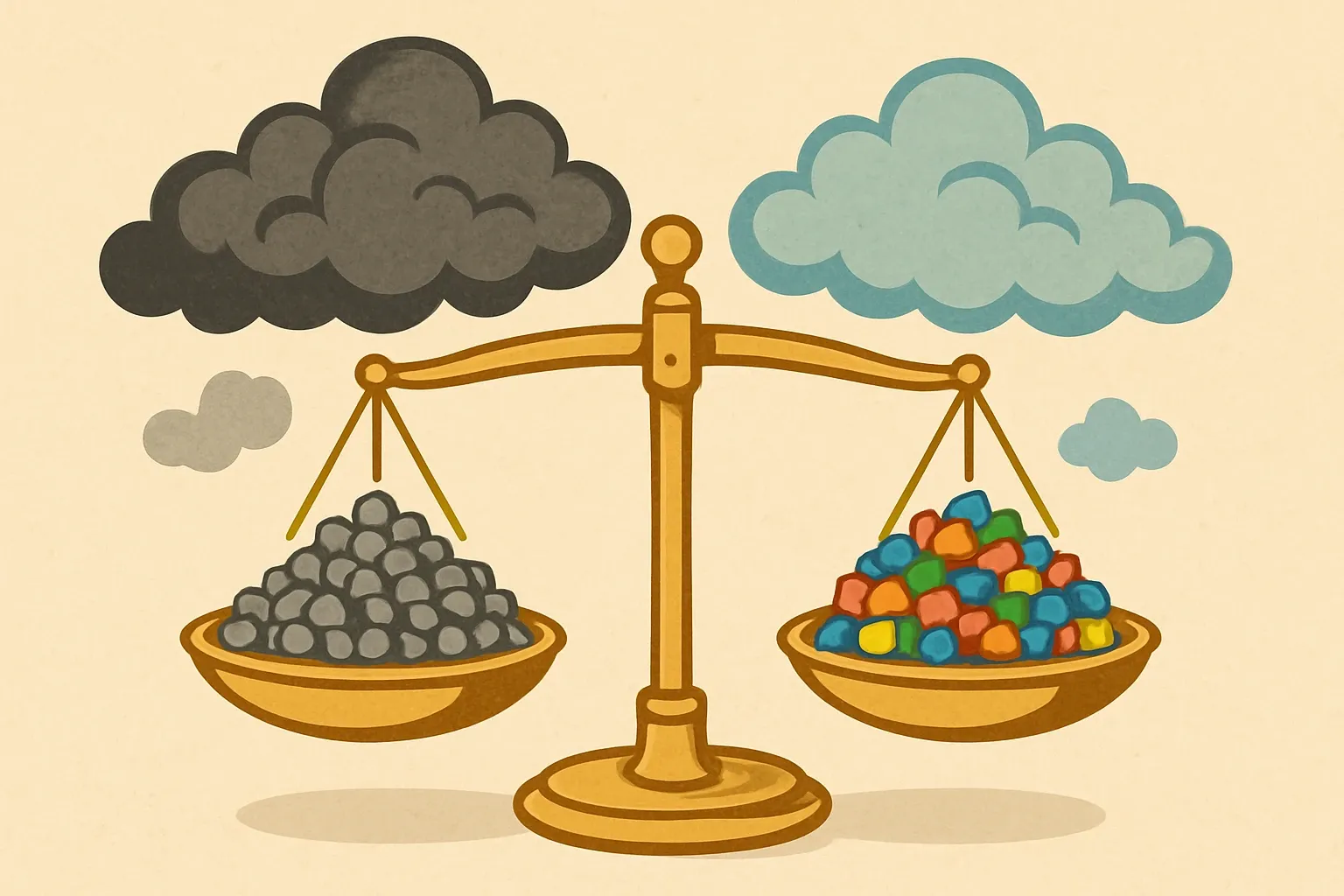
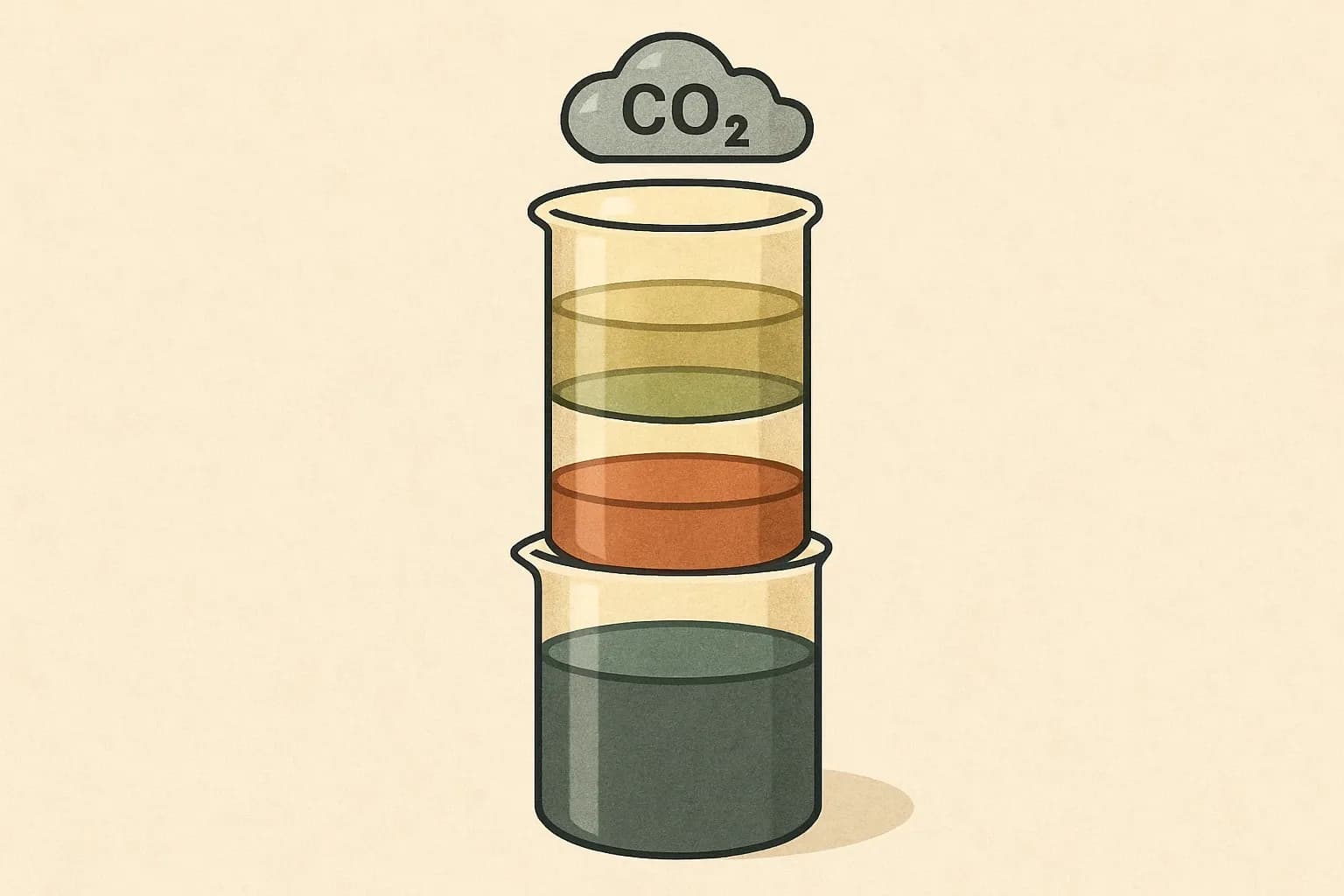
Midpoints are like check points on a road trip. They track specific problems such as acidification or eutrophication before damage fully unfolds. Endpoints convert those problems into effects on people, ecosystems, and resources, the final destinations. Both are valid, but they answer slightly different questions.
Think of midpoints as diagnostic signals on a dashboard. Endpoints are the repair bill. If a buyer asks what to reduce next year, midpoints guide action. If leadership wants a big picture roll‑up, endpoints can summarize consequences.
What EN 15804 asks for today
Construction EPDs in Europe and many global markets follow EN 15804. The current A2 revision requires reporting 13 environmental impact indicators, including several flavors of global warming potential, plus acidification, eutrophication, photochemical ozone formation, resource use, and water use (IBU PCR Part A, 2024) (IBU PCR Part A, 2024).
Those 13 midpoints are the common language across many program operators. They keep apples with apples, which is why specifiers often rely on them when comparing products under one PCR.
Methods common in North America
US projects frequently use TRACI for midpoint results. TRACI sets characterization factors for categories such as global warming, acidification, smog formation, eutrophication, and human health cancer and non‑cancer effects (US EPA TRACI, 2024) (US EPA TRACI, 2024).
Many LCAs also apply ReCiPe. ReCiPe offers both midpoint and endpoint views and rolls endpoints into three areas of protection, human health, ecosystems, and resources, which is why it shows up in single‑score conversions too (PRé Sustainability, 2024) (PRé Sustainability, 2024).
Single scores, explained without the mystery
Single‑score metrics compress multiple impacts to one number, often using ReCiPe endpoints or economic weighting sets. That is handy for portfolio screening or early design tradeoffs. The catch is that weights and normalization differ by region and year. Change the weights and the winner can flip.
Most EPDs stick to midpoints for comparability. If your team publishes a single score, label the method, version, weighting set, and region. Otherwise readers cannot tell what moved the needle.
Want to win more bids with comprehensive EPDs?
Follow us on LinkedIn for insights on how to leverage midpoints and endpoints to enhance your project specifications.
Why non‑carbon categories matter in bids
Acidification and smog indicators can sway decisions for urban projects where air quality is scrutinized. Marine and freshwater eutrophication become visible near sensitive watersheds. Water use and mineral resource depletion gain weight in arid regions or in public procurement questionnaires.
When competitors cluster tightly on GWP, secondary categories can be a tie‑breaker. Buyers notice a credible narrative that shows which levers you pulled and why.
Workflow to add breadth without adding weeks
Definately pick the impact method and PCR early so data requests land once, not twice. Capture the primary flows that unlock many categories, electricity by location, fuels by type, process water by stage, and material masses with supplier names.
Keep background datasets consistent across scenarios to avoid noise. Document cut‑offs and allocation rules in one place so reviewers can track decisions without email archaeology.
- Start with the PCR and program operator rules, then align method files.
- Map data owners by plant and process, and time‑box each ask.
- Use the same grid mix source across A1 to A3 where appropriate.
- Validate unusual outliers with a quick mass‑balance check.
When endpoints and single scores shine
Endpoints are powerful for R&D gate reviews or design‑for‑environment targets because they highlight tradeoffs across health, ecosystems, and resources in one view. Single scores help to rank large product families or supplier options fast.
For external marketing or tender submittals, keep midpoints front and center and include endpoints only as a clearly labeled supplement.
Quality signals specifiers actually notice
Third‑party verification with a recognized operator raises confidence. Transparent module coverage and declared unit choices reduce ambiguity. Clear statements on data age, representativeness, and geography tell buyers how decision‑ready the results are.
When reviewers understand your assumptions without guessing, they are more likely to keep the product in the spec.
What this means for your next EPD
Do carbon well, then widen the lens. Publish the required midpoint set with clean data and method discipline. Use endpoints and single scores judiciously for internal decisions or context, not as the only story. That balance keeps comparisons fair and still gives your team a north star for continuous improvement.