Static hubs are filing cabinets with Wi‑Fi
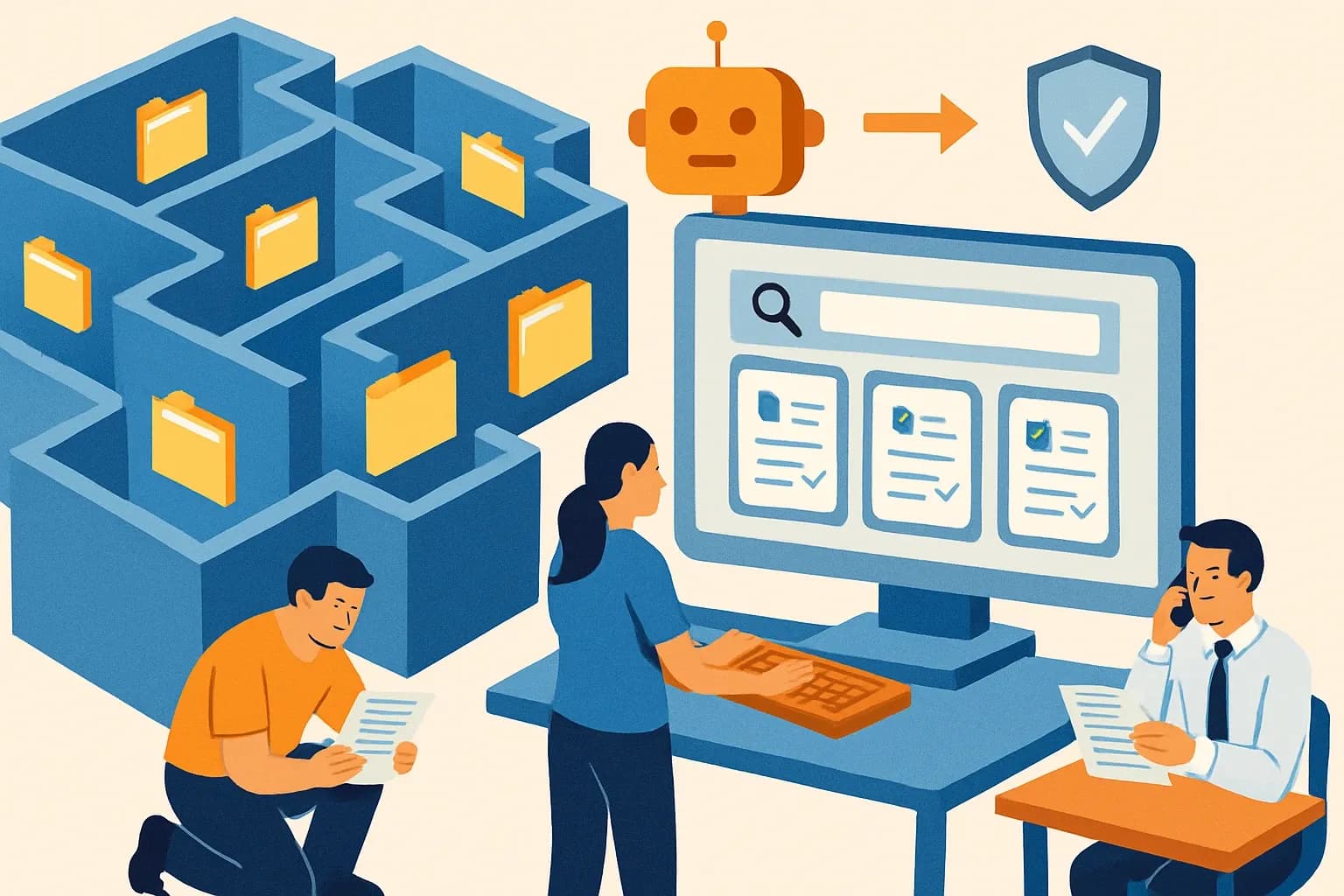
Most internal portals store files. They do not understand what those files mean. A rep types a product name, finds five versions, and still Slacks the sustainability lead. That is drag on win rates when a hyperscaler wants a precise answer by 5 p.m.
What an AI‑powered library actually is
It layers a governed knowledge model over your PDFs, spreadsheets, and EPD links. People ask questions in plain language. The system finds the right passages, checks context, and composes an answer tied back to sources. It feels like asking Spotify for a mood instead of digging through MP3s.
Governed claims, not guesswork
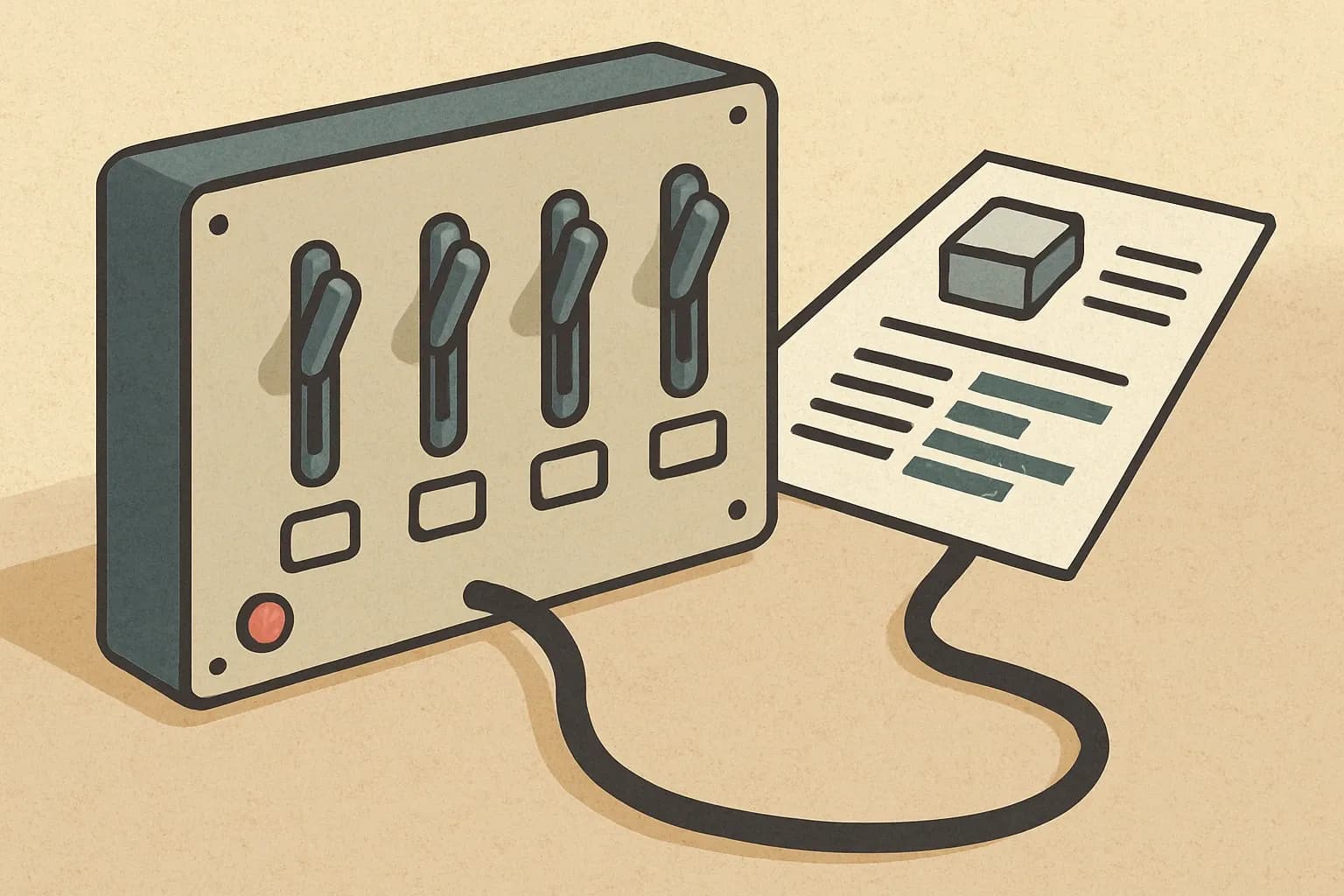
Good libraries ship with claim templates and policy checks. You decide what can be stated, what must be compared qualitatively, and what must never be said. For example, allow product‑specific EPD presence, block absolute impact numbers unless the PCR and declaration scope match. That is how legal risk stays low and teams stay on message.
Competitive comparisons without stepping on rakes
Comparisons are powerful when they respect PCRs and scopes. A1 to A3 only cannot be stacked against cradle to grave. The library should flag scope mismatches, note different program operators, and propose compliant language. Sales stays fast. Sustainability stays credible.
Buyer‑ready summaries in one click
RFPs ask the same questions in slightly different words. An AI library turns your governance rules into reusable summaries that answer the question, cite the right documents, and strip forbidden phrases. No more manual hunts or last‑minute redlines that stretch into midnight.
Want to streamline your EPD data management?
Follow us on LinkedIn for insights that help you enhance your sales efficiency and win more projects.
Data freshness that avoids last‑week claims
Sustainability data ages. PCRs update and EPDs hit renewal windows. The system should surface upcoming expiries and route tasks before anyone quotes stale content. Many program operators set EPD validity at five years, so renewal planning is not optional (EPD International, 2024).
Built for hyperscaler asks and major projects
Large buyers want precise, fast, and defensible responses. They expect clear scope statements, program operator details, and whether the declaration is product‑specific or industry‑wide. An AI library assembles that package instantly and keeps forbidden brand callouts out of field emails. We prefer tools that track who approved each claim so audit trails are effortless.
Implementation checklist you can use this quarter
- Connect the library to where truth lives. PLM, LCA workbooks, published EPDs, HPDs, and spec sheets.
- Define governance templates first. What can be claimed, what must be caveated, and the exact wording.
- Set comparison rules. Allowed PCRs, modules, and language for tie‑breakers.
- Require citation with every generated answer. Link back to the specific page or table.
- Log approvals. Make it easy to see who unlocked a claim and when.
How this lowers cost of sales without cutting price
When answers ship in hours instead of days, teams pursue specs they used to avoid. Projects that require EPDs no longer force price‑only conversations. A credible declaration often keeps you in the running where a generic estimate would trigger a penalty assumption. Reliable cost averages for tooling vary by company, but the pattern is consistent across manufacturers.
Picking a partner to stand up the system
Choose one that does the data wrangling for you, not after you. That means white‑glove collection from plants, fast project management, and publishing with the operator your markets prefer. The platform matters, yet the service lens matters more. If it leaves your engineers doing homework, its not helping.
The quiet advantage
AI libraries turn sustainability paperwork into a usable playbook. Sales moves faster, sustainability stops firefighting, and legal risk stays contained. It is a small shift in how knowledge is managed that shows up as bigger shortlists and calmer Friday afternoons.