The handoff as operations scale
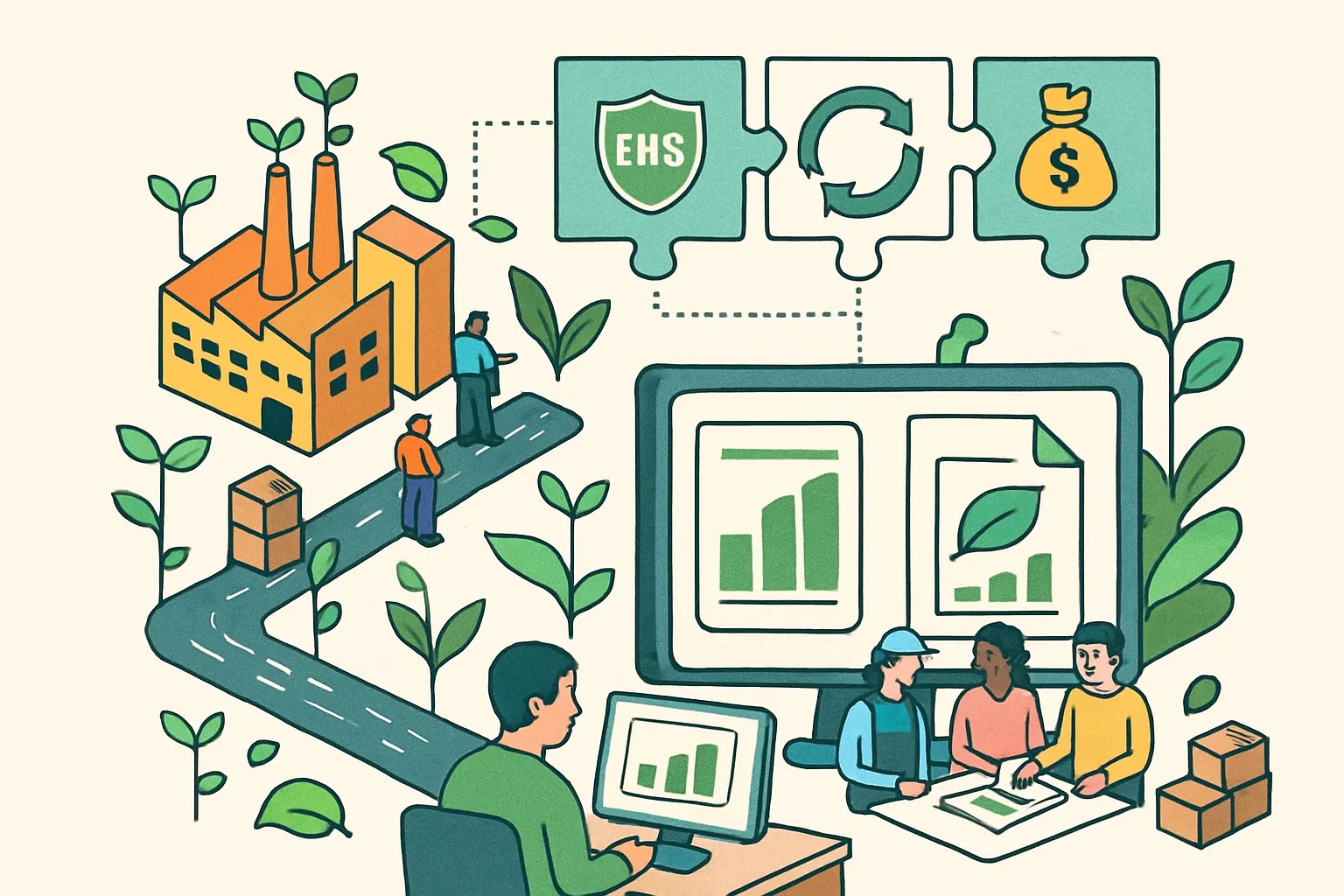
Single‑site manufacturers often start with EHS steering sustainability tasks, because compliance is already their daily rhythm. As operations become multisite, a dedicated circularity or sustainability function usually takes the driver seat for strategy, while EHS stays close to the plant floor. Think baton pass in a relay, not a tug of war.
What EHS keeps: compliance data that powers LCAs
EHS should retain ownership of waste, water, energy, and emissions records at the facility level. These datasets are the backbone of a product’s life‑cycle inventory and are already gathered for regulations like the Toxics Release Inventory with thresholds of 25,000 pounds manufactured or processed and 10,000 pounds otherwise reported (EPA TRI, 2024) (EPA TRI, 2024). Keep monthly utilities, material flow balance sheets, and waste manifests consistent, then make them accessible through a shared EPD workspace.
What circularity or sustainability leads: targets and rules of the game
The sustainability team defines company‑wide goals, such as product EPD coverage, embodied‑carbon intensity targets, recycled content, and take‑back programs. They also lock the reference year approach for data collection and set renewal timelines. Many programs treat EPD validity on a five‑year cycle, which makes structured refresh plans practical (EPD International GPI, 2024) (EPD International GPI, 2024).
What procurement manages: suppliers and Scope 3 data
Procurement owns supplier engagement and contract language that asks for upstream data, recycled content attestations, and transport details. That work matters because supply chain emissions can be more than ten times larger than a company’s direct footprint, which raises the ROI of better supplier data for LCAs (CDP, 2024) (CDP, 2024). Procurement can also maintain preferred clauses that request product‑specific EPDs or data packs aligned to chosen PCRs.
A simple RACI that survives busy seasons
Make the sustainability lead Accountable for the EPD program and roadmap. Keep EHS Responsible for plant data accuracy and on‑time uploads. Put procurement Responsible for supplier disclosures and verification letters. Name quality or product management as Consulted, since formulation or process changes ripple into LCAs. Sales and marketing are Informed so they can pursue specs the minute an EPD goes live.
Where the EPD platform plugs in
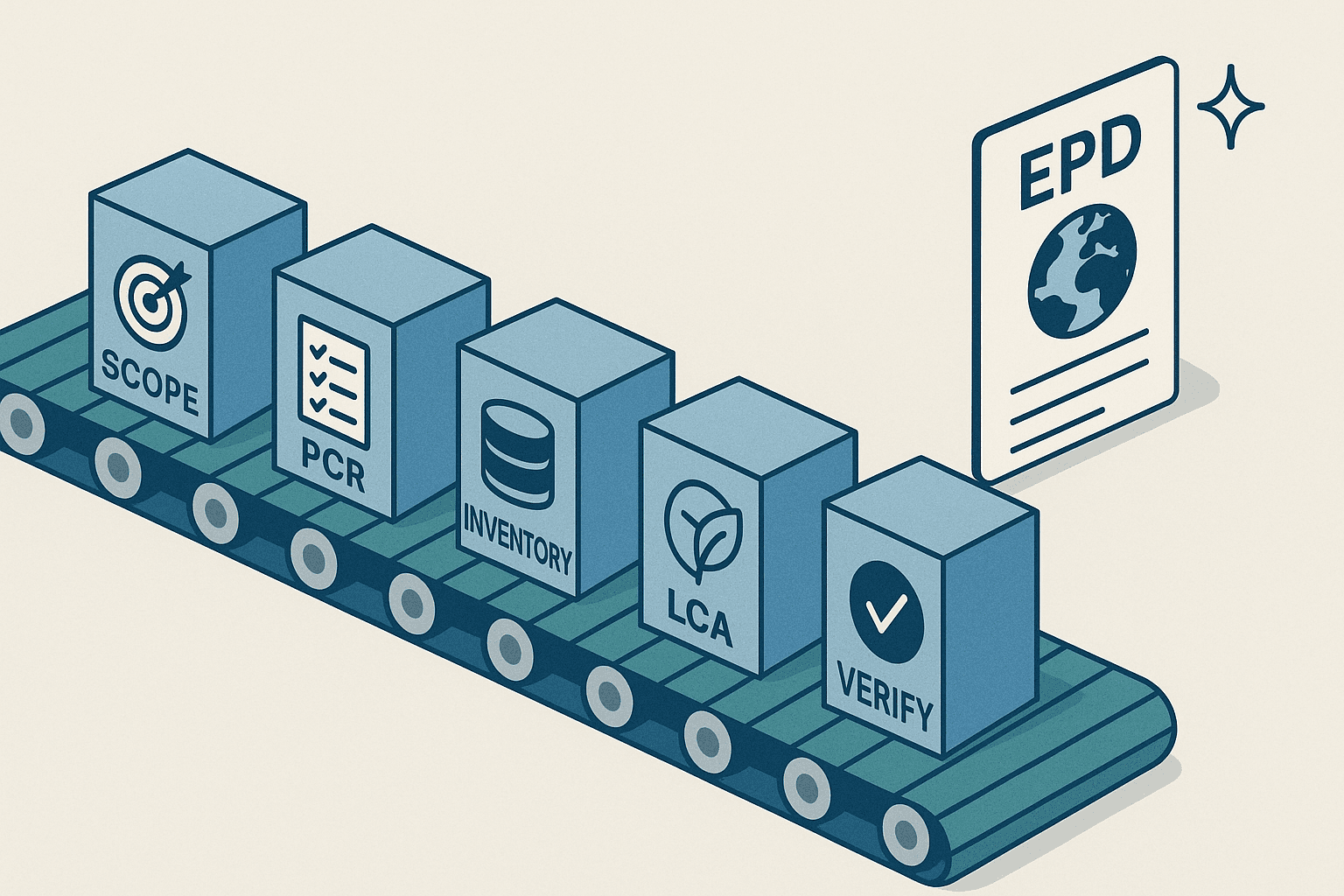
An automated EPD platform acts as the neutral hub. EHS uploads verified plant data once, procurement funnels supplier inputs, and sustainability monitors KPIs and PCR choices. The platform team then handles modeling, QA, and publication with the program operator preferred for the market, for example Smart EPD in the United States or IBU in Europe, while internal teams stay focused on production and growth.
Data hygiene that speeds every renewal
Pick one reference year per product family and document it in the workspace. Use the same naming convention for meters and materials across sites. Store supplier declarations with version and effective dates. This saves real time, full stop. It also reduces rework across sites becuase the same playbook repeats.
Plan renewals without the scramble
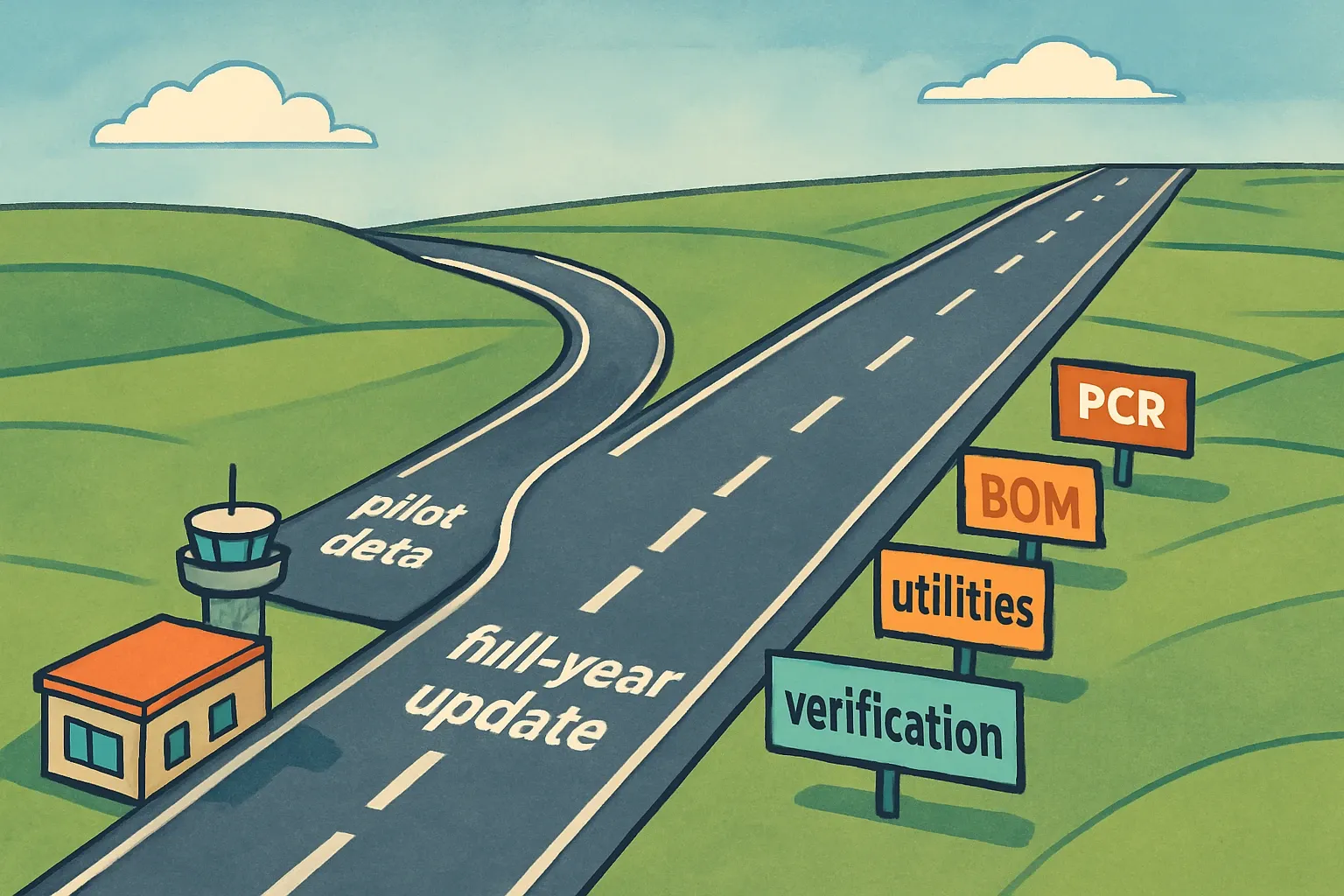
Create a renewal runway that starts a year before expiry and includes three checkpoints. First, confirm PCR updates and operator requirements. Second, refresh the reference year datasets and any formulation shifts. Third, run a quick change log review with EHS, procurement, and sustainability so the LCA model reflects reality. A calm cadence beats a last‑minute rush every time.
Why this ownership model wins bids
Project teams increasingly prefer products with product‑specific EPDs, since they avoid conservative default assumptions that can weaken a proposal. Clear ownership makes EPD creation routine instead of exceptional, which means more of the catalog is ready when a spec drops. Choose partners and platforms that remove data wrangling from your busiest experts so the business can move faster without sacrificing credibility.