What manufacturers expect vs. what actually works
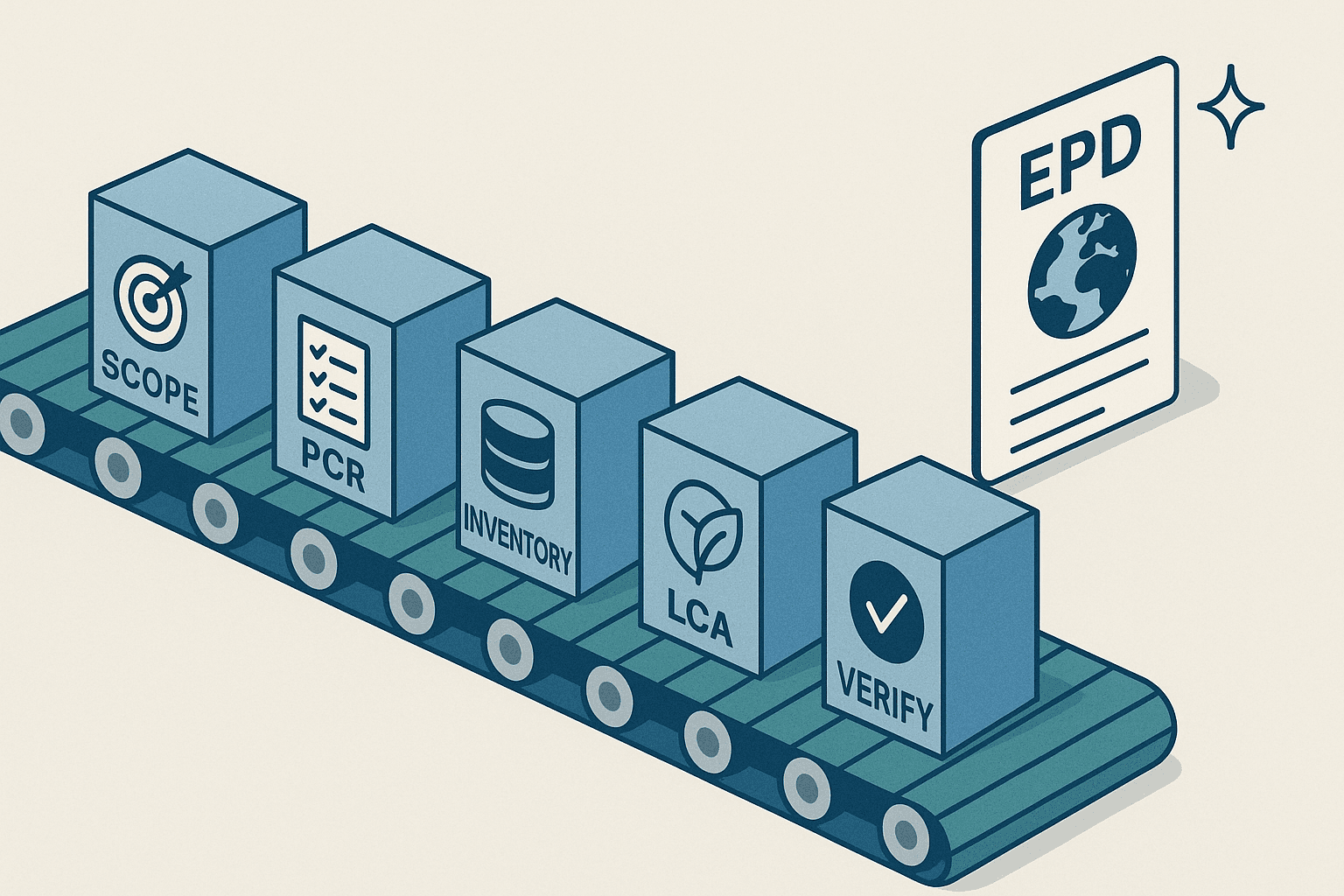
Many teams brace for months of spreadsheets and serial approvals. A low‑friction workflow flips that. Data owners get a brief orientation, then the platform does the heavy lifting while routing only decisions that need plant know‑how.
Orientation that respects the plant floor
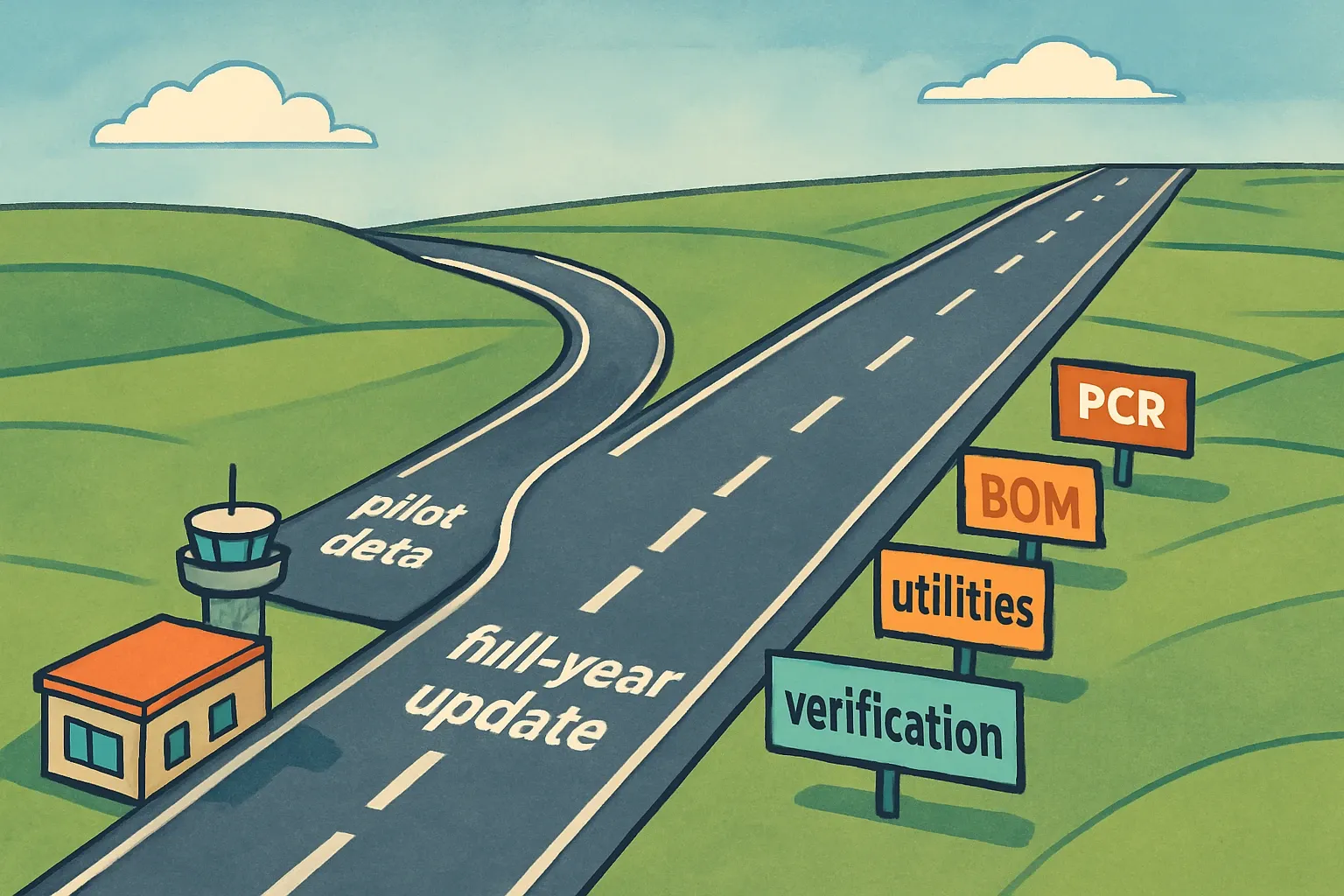
Think of it like a pit stop, not a rebuild. A short walk‑through aligns scope, reference year, and product boundaries. Everyone leaves clear on who provides bills of materials, utilities, and volumes, and in what window.
Any format in, balanced models out
Good workflows accept exports as they are, whether ERP dumps, meter screenshots, or supplier invoices. The platform reconciles units, fills transport distances, and performs mass and energy balances so the LCA is defensible, not decorative.
Targeted requests, not endless forms
Data requests arrive as small, role‑specific asks. A BOM steward sees composition and yields. A facilities lead sees electricity, gas, and water. Procurement gets raw materials and transport. No one wades through irrelevant questions.
Modeling, drafting, and translation handled
Once inputs are locked, the provider builds the plant model, selects the correct PCR, drafts the LCA report, and formats the EPD. Narrative sections are written in plain English, then localized where needed. One enviromental credential, many audiences.
Reviews only where judgment matters
Internal time goes to items that need context, like allocation choices for co‑products or unusual waste routes. Everything else moves forward without a dogpile of edits.
Pre‑aligned with program operators
When the core plant model is agreed with a program operator, verification shifts from first‑principles each time to checks against an approved baseline. That makes updates smoother and lowers the risk of late surprises.
Renewals and catalog coverage, simplified
EPDs are typically valid for five years, so reusing a verified plant model shortens rework during renewals and expansions (UL Solutions EPD FAQ, 2024) (UL Solutions, 2024). European operators communicate the same five‑year horizon, which supports multi‑year planning of declarations across a portfolio (IBU Program, 2024) (IBU, 2024).
From first declaration to new SKUs
With the baseline verified, formulation tweaks and sibling SKUs reuse the model. Only deltas are modeled and reviewed. Teams move from “which three products get EPDs” to “how do we cover the entire family.”
What to ask a provider
- Will you accept my BOMs and utility data in their native formats, and do the conversions for me?
- Do you manage all program‑operator coordination, including verification scheduling and corrections?
- Can our plant model be reused for new SKUs and at renewal, with a clear change‑log?
- How do you handle translations and multi‑region publication without duplicating work?
Why this changes the trade off
Low friction means experts stay focused on making products, not producing paperwork. The platform absorbs coordination and complexity, the service team clears roadblocks, and verified EPDs land faster. That shifts the math from doing a handful slowly to covering the catalog at pace, which is where specs and sales start to compound.