Why allocation unlocks EPD readiness
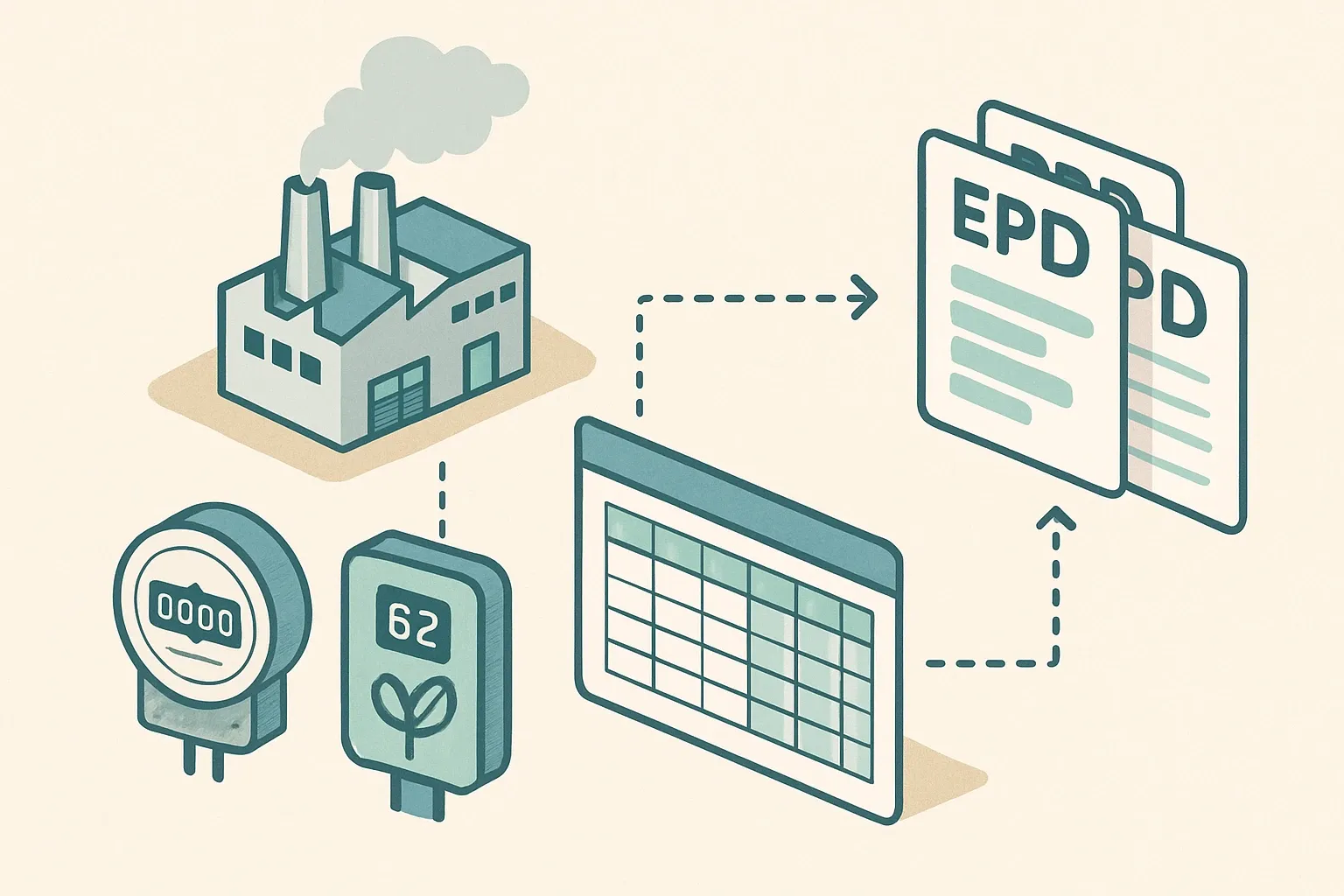
EPDs speak product, while your data speaks plant. Allocation is the translator. Think of it like splitting a pizza by slice count, by weight, or by what each person ordered.
Allocation also makes commercial sense. When a project needs EPDs to stay in the spec, product lines with clean allocation math move first.
Pick the primary key: units, mass, or revenue
Start with physical reality. If products are identical form factors, units produced is often best. If products vary in size or density, mass reflects real resource draw.
Use revenue only when physical links are weak or production is highly mixed. Confirm the choice aligns with the PCR and ISO 14044’s hierarchy, then stick to it across the reference year.
The plant‑to‑product math, step by step
- Define the reference period and boundaries that match the PCR. Pull plant totals for electricity, fuels, water, waste, and production volumes.
- Choose one allocation key per impact driver. Electricity might use mass, packaging might use units, maintenance might use revenue if physical ties are thin.
- Calculate: product share equals product key total divided by plant key total, then multiply that share by each plant total. Document every ratio and data source.
Keep the calculation sheet locked, versioned, and repeatable. Auditors and program operators love traceable math.
When exact masses are missing, model transparently
Use engineering relationships that any reviewer can follow. Derive mass from dimensions and density, or from bill‑of‑materials percentages. If a filler is 30 percent by weight across the family, use that assumption for near‑identical SKUs and flag exceptions.
State uncertainty in plain language. If you later measure actual weights, back‑cast and update the model. That is quality, not weakness.
Shared lines, coproducts, and scrap
Follow the ISO 14044 order. First, avoid allocation by direct measurement or submetering. If that is not feasible, allocate by a physical relationship like mass or energy content. Only then consider economic allocation, and explain price volatility handling.
Track off‑spec scrap carefully. If scrap is reprocessed on site, keep it inside A3. If it leaves the plant, treat it according to the PCR’s rules on recycled content and end‑of‑waste.
Electricity choices that pass review
State whether you are using location‑based grid factors or market‑based supplier data, and why. If you have supplier‑specific certificates tied to the plant, use them consistently. If not, apply the relevant regional grid factor and cite the dataset version in the LCA report.
For multi‑plant products, weight grid factors by the production share per site. A simple average can mislead.
Natural gas and other fuels without headaches
Convert to energy units once, then allocate. Keep the higher heating value or lower heating value choice consistent with the data source and note it clearly. Apply upstream emissions factors that match the PCR and region.
If fuel oil or LPG appears sporadically, keep them as separate lines. Small lines can still sway energy‑intensive products.
Packaging, maintenance, and overheads
Tie packaging to units shipped, not units produced, when breakage or rework is material. For maintenance, hours by line or cost centers can serve as a proxy. If overheads are minor, disclose a simple proportional allocation and move on.
Be explicit about what is excluded. Clarity beats false precision.
Documentation that program operators accept
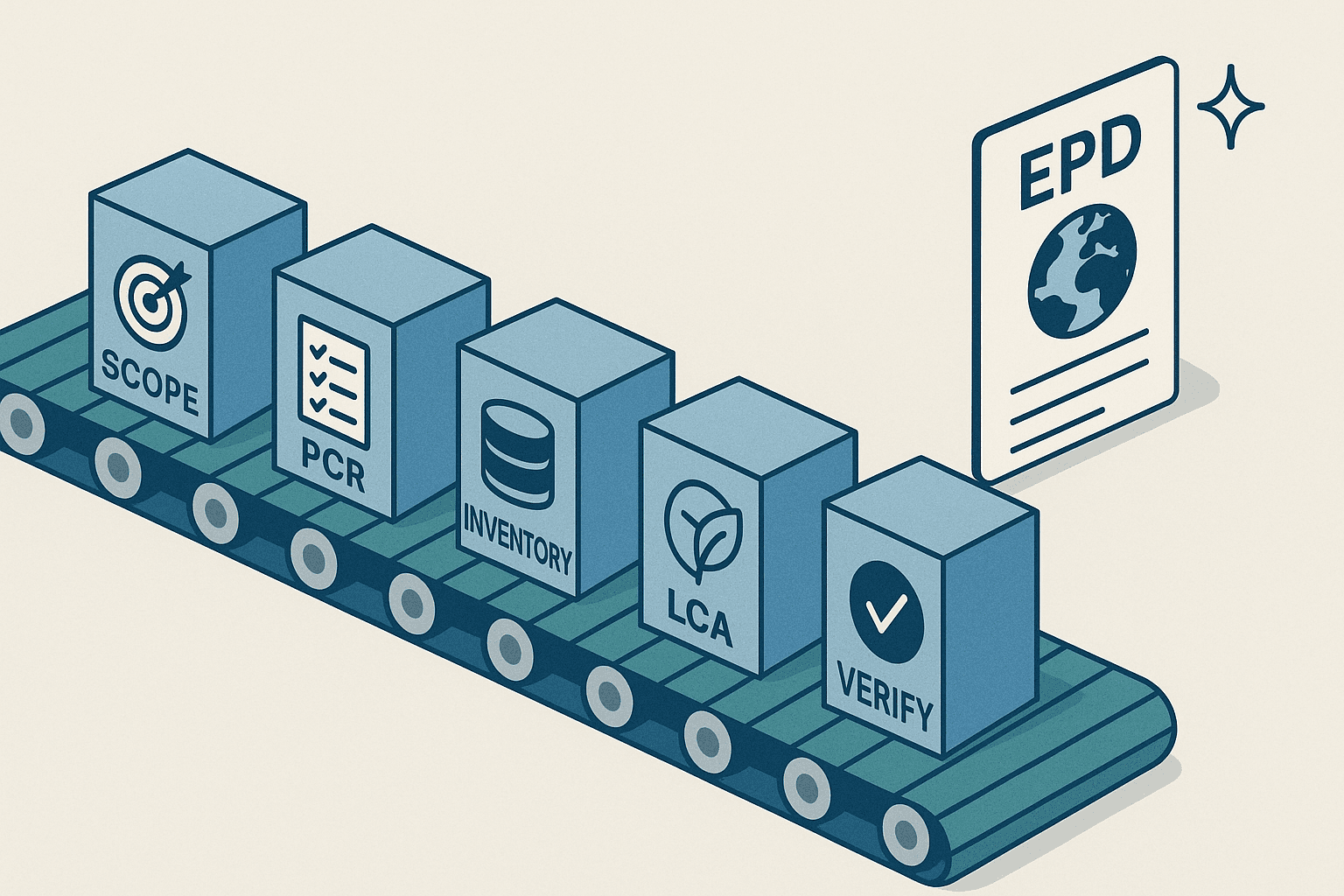
Write a one‑page allocation memo per product family. It should state the reference year, boundaries, chosen keys, data sources, known gaps, and change‑control rules. Include one worked example with numbers, even if rounded.
Attach the calculation workbook with locked formulas and labeled tabs. Reviewers are humans, not mind readers.
Speed moves that do not cut corners
Standardize allocation keys across similar lines to avoid one‑off debates. Add monthly spot checks so year‑end rollups do not surprise anyone. Keep a short backlog of metering upgrades, since one new meter can eliminate pages of caveats.
We prefer simple rules that survive audits over complex ones that crumble. It’s common sense, really.
Pitfalls to avoid
Do not mix market‑based and location‑based electricity in the same total. Do not double count regrind energy. Do not ignore changeovers, clean‑outs, or high‑mix weeks if they shift energy materially.
If two keys tell different stories, pick the one with the strongest physical link and justify it. Reviewers reward consistency, not creativity for its own sake.
Bringing it all together
Plant data is messy, but the path to SKU‑level impacts is repeatable. Choose the right key, show your math, model where you must, and document like a pro. That gets you from raw meters to spec‑ready EPDs without tearing up your systems, fast.
One last thing. Consistency beats perfection every single time, even if it is not always glamourous.