The baseline clock most teams underestimate
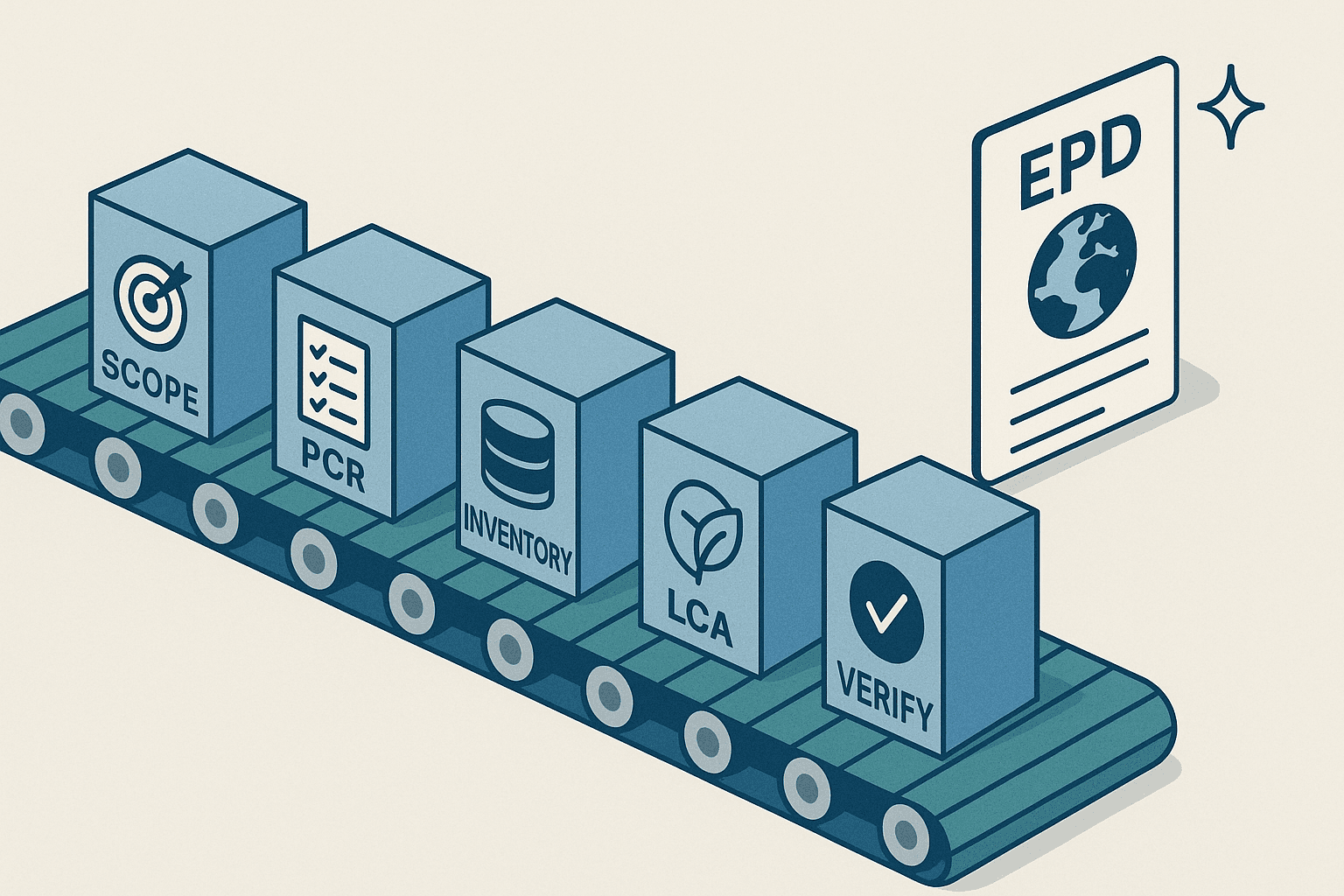
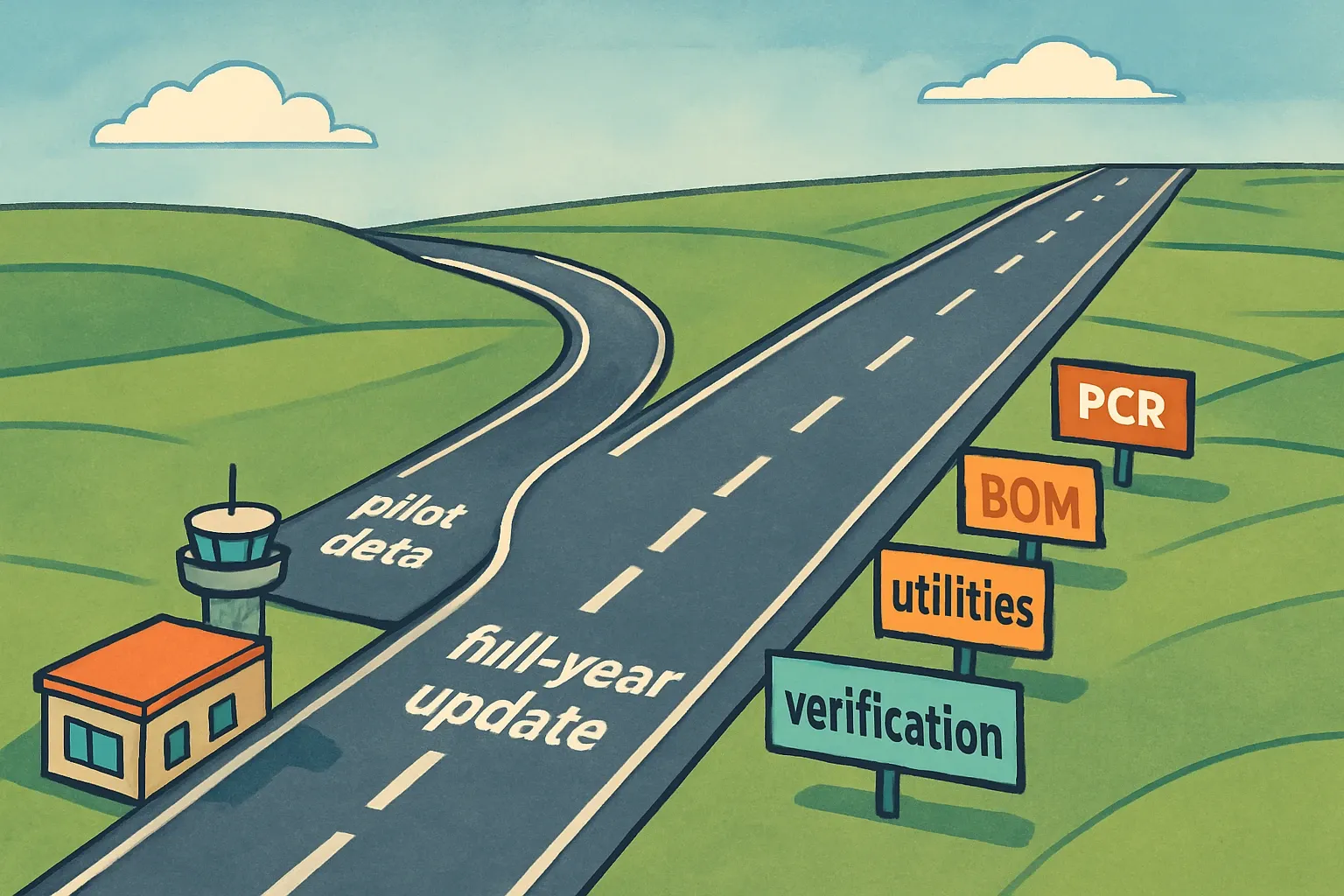
An EPD has three clocks: data collection, LCA modeling, and independent verification with publication. Program guidance shows LCA can take 1 to 12 months, verification about 2 weeks, and portal registration 1 to 3 working days when documents are complete (EPD International, 2024) (EPD International, 2024). The spread depends on how organized the data is and how quickly questions get answered.
Budget cycles shape momentum more than intent
If public-sector sales matter, remember the U.S. federal fiscal year runs October 1 to September 30, which resets purchasing and planning timetables (HHS, 2025). Private manufacturers often run calendar-year budgets, which means Q4 approvals compete with closing the books, inventory counts, and PTO overlaps. Green‑lighting in Q2 or early Q3 usually buys smoother access to finance and operations.
Trade‑show targets set your practical deadline
IBS usually lands in February, AIA’s main conference often hits early June, and Greenbuild typically runs in Q4. Aim to have the EPD finalized at least one full review cycle before booth-build and sales training. Treat shows as reveal moments, not finish lines. If a date is immovable, work backward to a decision date that still leaves time for iterating on verifier comments.
Holidays are not just quiet days, they are queue days
Thanksgiving through New Year creates approval bottlenecks. Summer has factory shutdowns and leadership offsites. Put these on the project calender on day one so data requests, reviewer Q&A, and signature routing do not collide with out-of-office replies.
PCR and validity windows affect when to start
Most PCRs operate on five‑year cycles before review or renewal, so choosing a PCR that is months from expiring can force scope tweaks mid‑project (UL Solutions, 2025) (UL Solutions, 2025). Once published, an EPD itself is typically valid for five years, which makes timing a lever for marketing runway and bid eligibility (UL Solutions, 2025) (UL Solutions, 2025). Starting just after a PCR refresh often reduces rework risk.
Two working‑backward playbooks
If the target is a February show, lock the internal go decision by late summer or early fall. That leaves the fall for data pulls and modeling, the winter for verification and any edits, and a buffer before pre‑show shipping. If the target is an early‑June conference, set the go decision no later than January so modeling can complete in late spring, with verification and final proofing finished before speaker and signage deadlines. These windows assume the PCR exists and mirror the baseline clock above.
Leadership calendars are hidden critical paths
Standing executive committees often meet monthly. Steering EPD decisions onto those agendas reduces idle time. Treat every top‑level decision as needing a pre‑read a week prior, plus a follow‑up slot for approval if questions arise. Short, visual status updates keep stakeholders leaning in rather than asking for a restart meeting next month.
Data collection is where time hides
Most delays happen before any verifier sees a document. Create a single request list by site and by utility account, and appoint one accountable owner across plants. A white‑glove approach that actually chases utility bills and supplier EPDs for you frees R&D and plant managers to keep lines running. We backload nothing because calendar surprises punish backloading.
Program operator choices influence cadence
North American teams often publish with Smart EPD. European teams frequently use IBU. Both work well when the PCR is known and the verifier is engaged early. What matters most for timing is pre‑booking verification, keeping one source of truth for questions, and agreeing who signs off on any scenario assumptions before review begins.
Quick reality checks that save weeks
- Confirm the PCR version and its sunset date before modeling starts so you are not revising under a moving rulebook within the same quarter (UL Solutions, 2025).
- Put the federal and your corporate fiscal calendars on the wall to prevent late‑Q4 funding squeezes from stalling verifier purchase orders (HHS, 2025).
- Reserve time after verification for layout and sales enablement since the EPD should be in price books, submittal sets, and show collateral.
A better way to think about timing
Pick the moment you want sales to use the EPD and count backward through publication, verification, modeling, and data readiness. Protect the plan from budget gates, holidays, and trade‑show crunches with clear owners and pre‑booked reviewer time. The result is not just an on‑time EPD, it is an EPD that arrives exactly when buyers are listening.