What you legally own, and what you only licensed
Your product data, utility bills, bills of materials, and process notes are yours. The EPD PDF and the background report are deliverables you should receive. The LCA model files and scripts may or may not be yours, depending on the contract. Background databases used in the model are almost always licensed to the consultant or the manufacturer and cannot be redistributed.
Think of it like a car. You own the cargo and the trip log. The highway is public rules, the vehicle might be leased, and the fuel came from a station with its own terms.
When reuse is straightforward
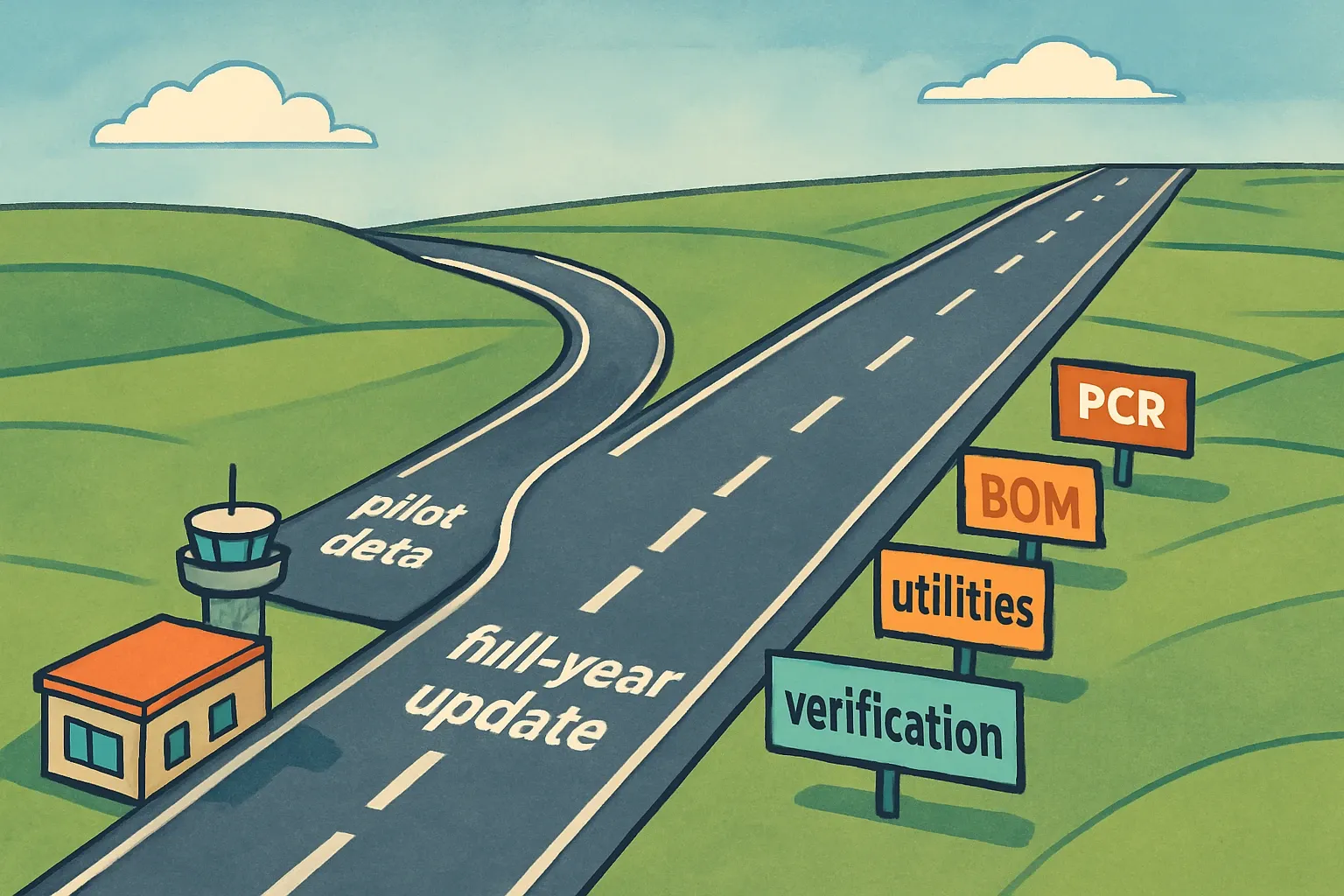
Reuse is usually smooth when you hold the background report, the model file or parameter set, and a clear bill of materials for the reference year. If the current PCR for your product type has not materially changed, the new provider can validate the old model, update data, and re‑verify under the chosen operator. Most PCRs run on roughly five‑year review cycles, so check timing before you start (UL Solutions, 2025).
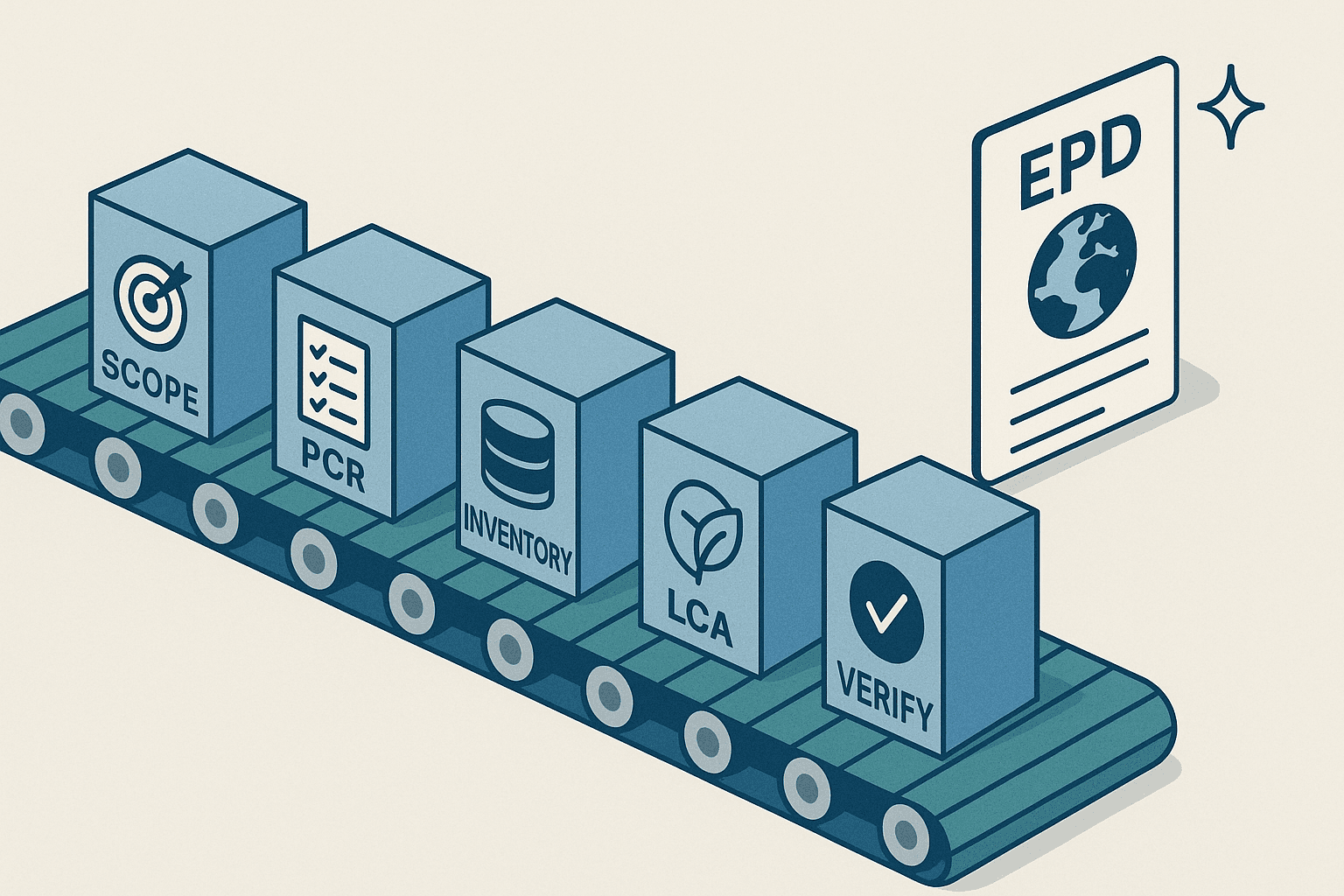
If only the EPD PDF exists, you still have a head start. It documents scope, modules, datasets and allocation choices. A competent team can rebuild the model from that map, then confirm numbers during verification.
When you should plan a full or partial re‑model
Two conditions trigger fresh modeling. First, rule changes. If the PCR version you used has sunset or changed its calculation rules, today’s EPD must follow the current version. Second, product or data changes. If any declared indicator worsens by 10 percent or more, an in‑period update and re‑verification is required under operator guidance (EPD International, 2025).
Also plan deeper updates if the functional unit, declared unit, plant mix, or energy source changed. A model built on last decade’s background datasets can become a poor fit for 2026 markets.
How long your old EPD really lasts
EPDs for building products are normally valid for five years, printed on the declaration itself (IBU, 2025). If that clock is still running and the results have not shifted beyond required thresholds, you can keep using it while preparing the renewal. PCRs may revise during your window, yet the published EPD remains valid until its own expiry, then renew under the current PCR.
When the previous consultant will not share
Start with the contract. Ask for the editable LCA model, the bill of materials and energy data tables, the background report, and the list of background datasets and versions. If licenses prevent a transfer of specific databases, request complete parameter sheets or exports that a new model can mirror.
If deliverables were not defined, ask for a fixed‑price handover package that includes the items above and verifier Q&A history. If refusal continues, your new provider can rebuild from the EPD PDF and plant data. It costs time, but it removes dependency. Dont let a locked laptop dictate your go‑to‑market.
Publishing with a new program operator
You do not have to publish with the same operator. If the LCA and documentation align with the target operator’s General Programme Instructions and PCR, a new verification and publication is feasible. Some operators accept PCRs authored elsewhere, which can keep you close to the rules competitors already use.
Budgeting time in a tight verifier market
Verifier capacity is a real bottleneck in peak periods. IBU notes external verification costs rose about 40 percent in recent years and adjusted its verification fee from €2,000 to €2,700 in 2025, citing demand and constrained supply (IBU, 2025). Plan calendar time for verification and operator publication to avoid a gap.
Quick handover checklist
- Background report in editable format, including system boundaries, datasets used, and allocation rules.
- Model file or a full parameter export with dataset versions and cut‑off choices.
- Reference‑year primary data tables for materials, utilities, transport, production volumes.
- Current PCR version and operator template used, plus verifier comments or non‑conformity log.
- Official EPD PDF, machine‑readable file if available, and publication URL.
- Written confirmation of data and model IP rights, and any third‑party license limits.
Practical rules of thumb for reuse
If you have the report and the parameters, reuse is fast. If you only have the PDF and plant data, reuse is still possible with a short rebuild. If PCRs changed or impacts moved by 10 percent or more, remodel to current rules and re‑verify (EPD International, 2025). If you are within a year of expiry, pin the renewal to the operator and PCR you want to live with for the next five years (IBU, 2025).
Why moving now still pays off
Specifications continue to prefer products with current, third‑party‑verified EPDs. Sales cycles run smoother when submittals land with no carbon accounting penalty. The lift from being considered on projects that require EPDs dwarfs the credential cost for most manufacturers once even a single mid‑sized project lands.
The calm way to switch providers
Confirm what you own, map it to today’s PCR, and line up verification time. Keep the focus on clean data collection so your highest value people stay on core work while the EPD work streams forward. That is how to change horses mid‑race without spilling a drop.