Why coordination beats copy‑paste
Sister sites often run near‑identical recipes yet track energy, scrap, and transport differently. That mismatch shows up in LCAs and EPDs as noise, not insight. Buyers see inconsistency as risk, which slows specs and drags margin.
Start with a shared product backbone
Create a master list that maps every sellable SKU to one declared unit, one conversion to functional units, and one naming convention. Lock routing versions, packaging formats, and QA variants so results are comparable. Think of it like a master track that every plant remixes, not two different songs.
One reference year, one allocation rule
Pick a single 12‑month reference year across plants. Document one allocation approach for co‑products and shared utilities, then apply it everywhere. This sounds minor, but it matters alot.
Boundaries that match reality
Confirm the same system boundary for each plant. Align onsite wastewater, refrigerants, and maintenance materials so A1 to A3 coverage is truly equivalent. If boundaries differ, disclose and quantify the delta, then decide whether a unified EPD or parallel plant‑specific EPDs tell the cleaner story.
Electricity factors can flip the script
Grid intensity varies widely by location, which can swing cradle‑to‑gate results. State‑level factors in the United States differ by more than five times, so using the right subregional number is essential (U.S. EIA, 2025) (U.S. EIA, 2025). Document whether you use supplier‑specific electricity, contractual instruments, or default grid data and keep proof on file.
Harmonize PCR and program operator choices
Where possible, select one PCR that fits both plants and keep a short memo explaining why. When PCRs differ, plan a changeover so renewals converge on the same rulebook. Most program operators set an EPD validity period of five years, so a combined renewal window is practical (EPD International GPI, 2024) (EPD International GPI, 2024).
Centralize the upstream story
If both plants buy the same resin, cement, pigment, or steel, maintain one vetted supplier dataset with version control. Capture delivery mode and average distance, plus any recycled content evidence. For site‑unique inputs, store them side by side in the same structure so updates are fast and auditable.
Choose the right multi‑plant EPD pattern
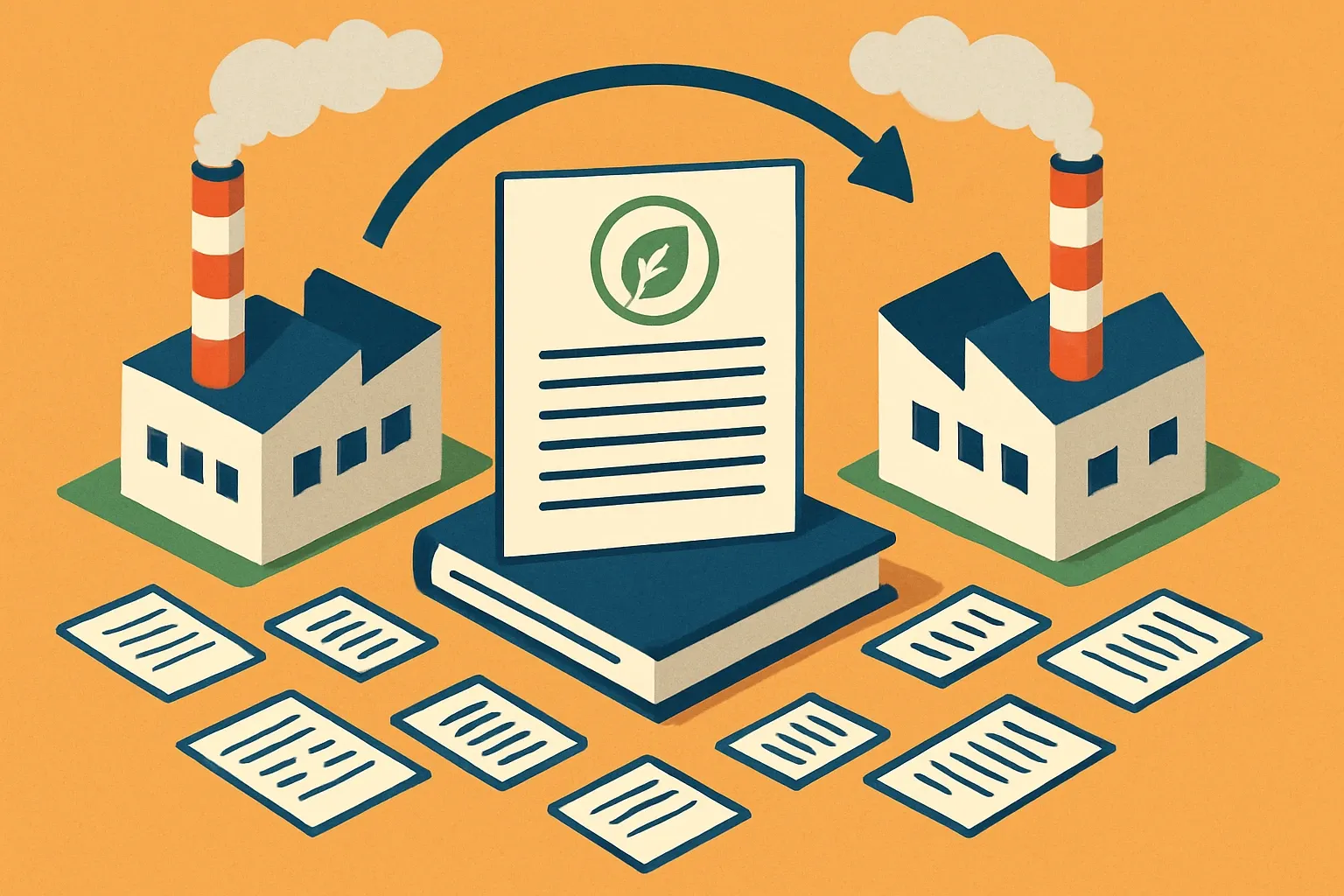
There are three common patterns. One multi‑plant EPD with a shared declared unit and a results range, two plant‑specific EPDs that cite the same PCR and methods, or a family EPD that lists variants. Use a range only when differences are small and stable. Use two EPDs when processes diverge or when buyers demand plant specificity.
Build a joint renewal calendar
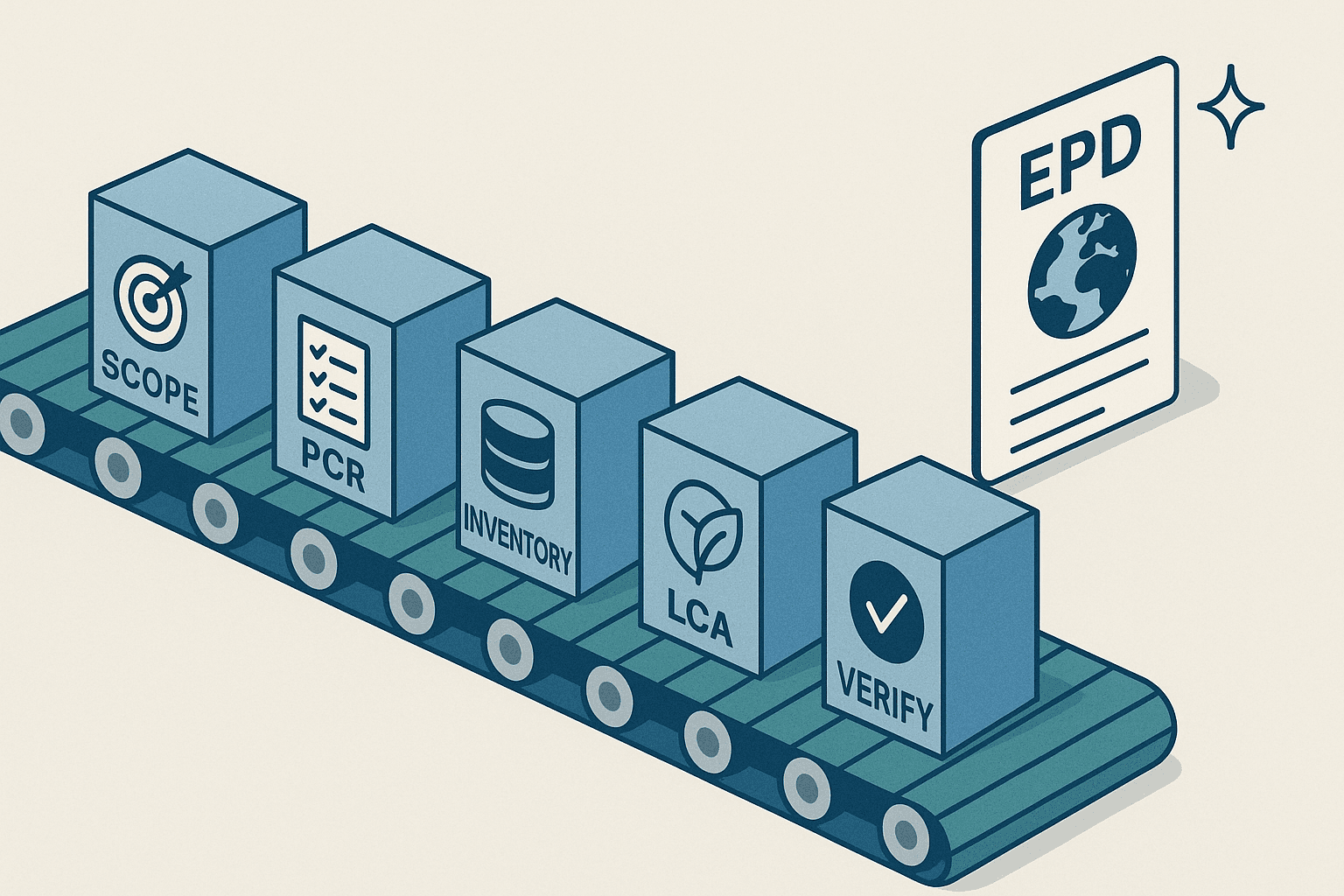
Work back from expiries to a single renewal month. Lock a data freeze date, verification slot, and publishing window so both plants refresh together. Keep a living change log that captures material switches, yield shifts, and efficiency projects, which turns the next update into a quick roll‑forward rather than a ground‑up rebuild.
What to centralize in a lightweight hub
- Master SKU to declared unit map, with version and owner
- Utility meters and emission factors by plant, with evidence
- Supplier datasets, delivery distances, and recycled content proofs
- Allocation rules and system boundary memo
- Verification reports and prior EPD IDs
Plan for growth and new lines
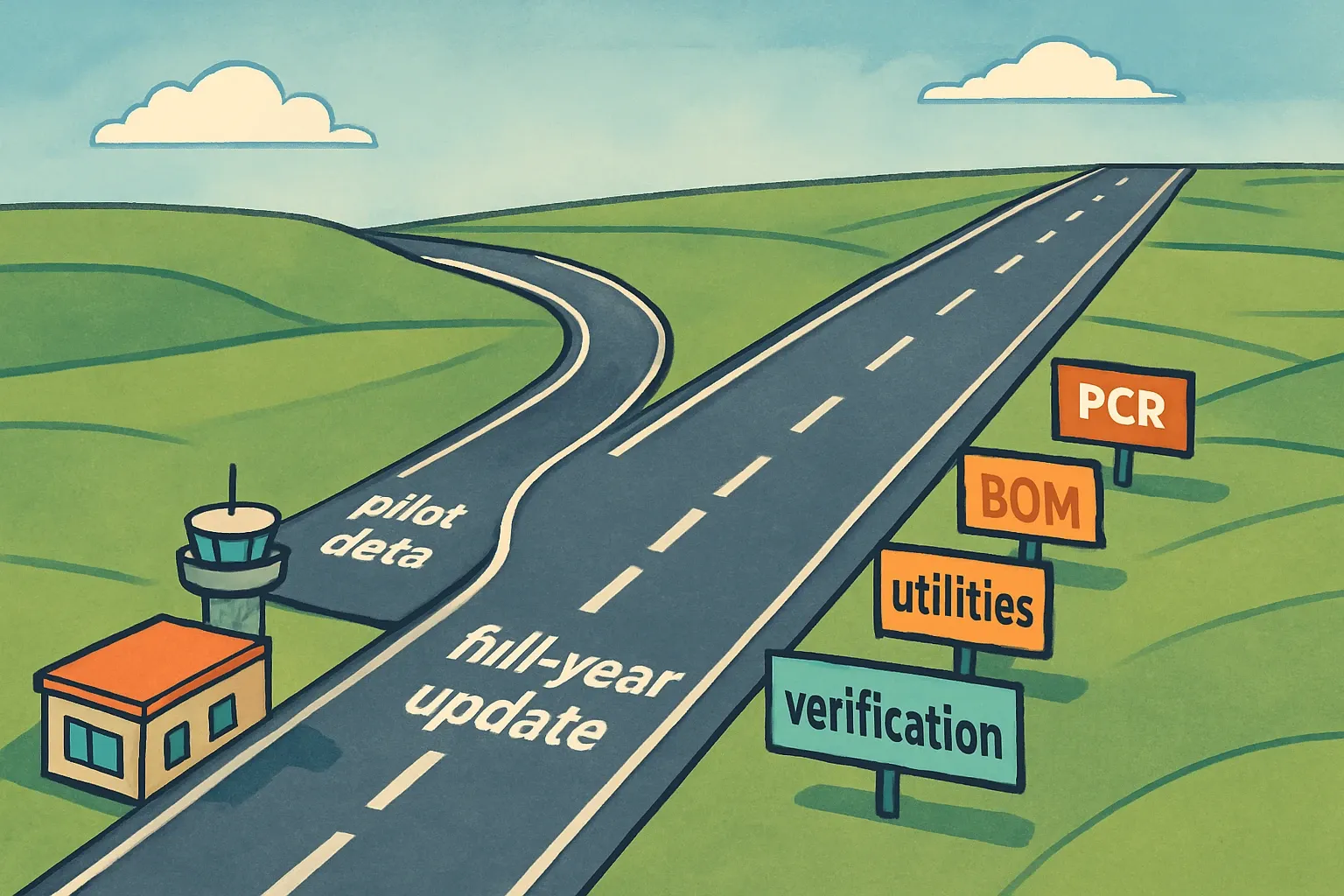
If one facility adds a line mid‑year, use a prospective EPD for that product once there is enough data to meet your operator’s rules, then true‑up when a full year is complete. Keep BOMs, routings, and uptime assumptions aligned with the sister site so the family story stays coherent.
Make it easy for sales and specifiers
Publish one clean narrative that explains the product family, the plants that produce it, and the exact declared unit. Provide a one‑pager that maps SKUs to EPD IDs and flags the next renewal month. When the paperwork is crisp, project teams can specify faster and stop asking which EPD applies to which pallet.
How to pick a partner who will not slow you down
Look for a team that does the data wrangling with you, not to you. They should run cross‑plant workshops, collect metering evidence, chase supplier attestations, and manage the verification queue. Program operator agnostic support helps when one region prefers IBU and another prefers Smart EPD.
The quiet advantage of synchronization
Aligned EPDs reduce rework, lower audit risk, and shorten responses to submittal requests. The payoff shows up in faster specification cycles and fewer last‑minute clarifications. Consistency is not flashy, it simply clears the runway for growth.