The governance layer your AI must have
AI that answers about products is like a race car. It is fast, but it only wins with seatbelts and rules. Set clear boundaries for what the system can see and what it is allowed to say. This is not optional, its essential for manufacturers who live in competitive, spec driven markets.
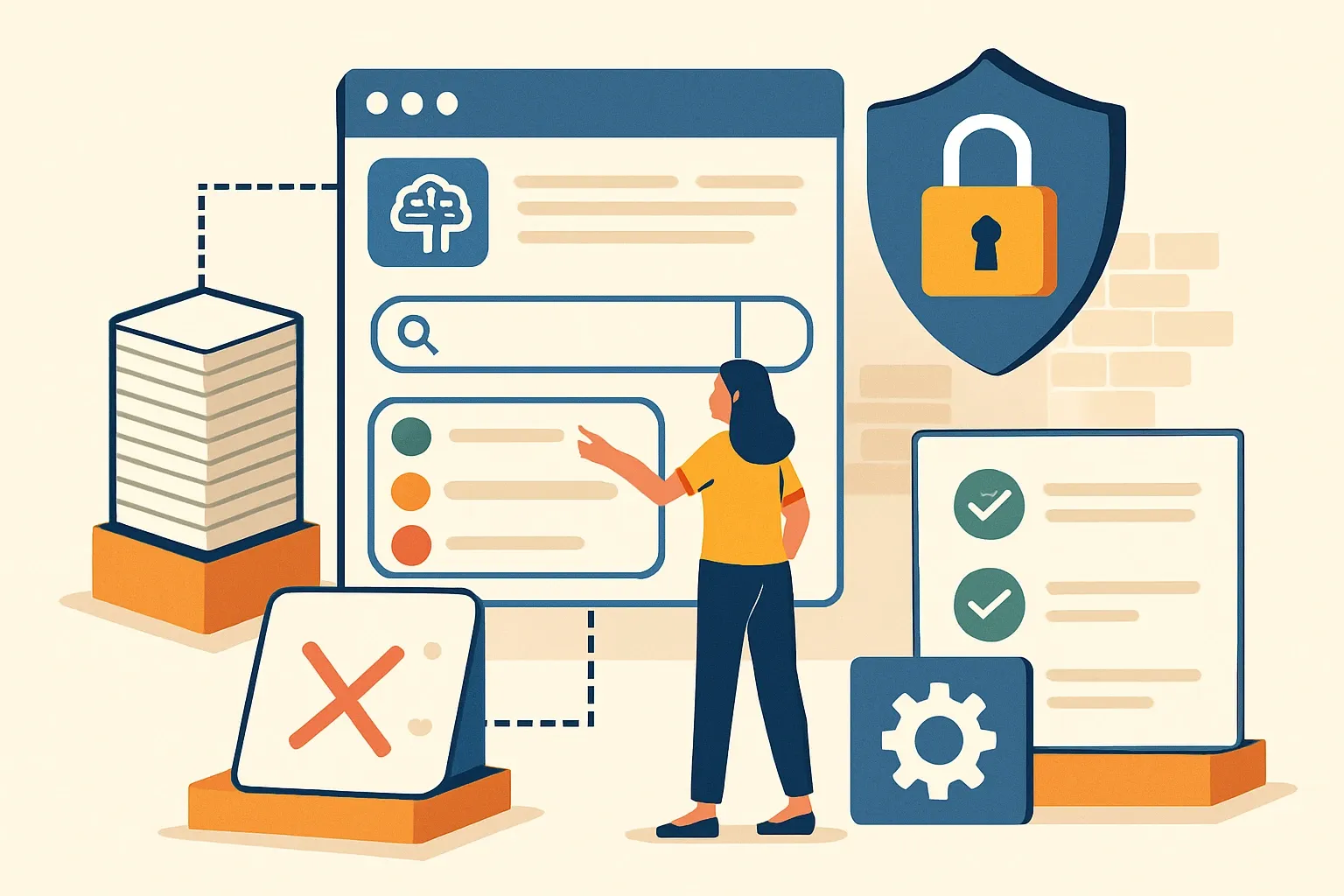
Segment the corpus into clean zones
Not all documents are equal. Organize content into zones that the AI understands and respects:
- Public reference library for marketing pages, published EPDs, and datasheets.
- Customer facing vetted content for RFQs and submittals.
- Internal enablement for sales notes and troubleshooting.
- Restricted sensitive for pricing, draft LCA workbooks, and lab results.
Store a single source file with access controlled views if needed. Redactions beat duplicates because they reduce drift.
Role based access that mirrors the org chart
Tie permissions to real roles. Sales, technical service, sustainability, marketing, channel partners, and distributors need different doors. Start with least privilege. Allow temporary elevation for bid rooms with automatic expiry and an audit trail. When people change roles, access should change the same day.
Two operating modes that fit real work
Run an open research mode for power users who explore across internal and public sources. Add visible labels that answers may cite external data. Pair that with a customer safe mode that only responds from the vetted product library and a pre approved competitor set. Whitelists keep answers crisp and consistent in proposals and submittals.
Guardrails that prevent the wrong answer
Hard block classes of information the model should never reveal. That includes pricing, uncontrolled test results, provisional R&D, and personal data. Use pattern scanning, restricted vocabularies, and answer confidence checks that route low confidence outputs to human review. Always show document provenance so a rep can click back to the exact EPD or datasheet section.
Approvals, versioning, and retention
Treat AI answers as living content with owners. Require review for new claims, then lock them to a version of the source document. Keep change logs, who approved what, and when it went live. Retention should match your recordkeeping policies for environmental claims and certifications. If a PCR is updated, flag dependent content for refresh immediately.
Stay aligned with claims rules
Limit environmental statements to what is verified. Keep declared units and system boundaries explicit so apples compare to apples. ISO 14025 and EN 15804 set the frame for what an EPD can and cannot claim. Avoid comparative performance claims unless the same PCR, scope, and modules are documented. The AI should refuse to speculate where evidence is thin.
Data quality in, trustworthy answers out
Feed the model with controlled vocabularies for product names, formulations, plants, and SKUs. Normalize terms like declared unit, modules, and impact categories so synonyms do not splinter answers. Use scheduled syncs from document control and PLM so the AI never trains on stale copies. Freshness beats cleverness when specifiers ask precise questions.
A practical 30 60 90 plan
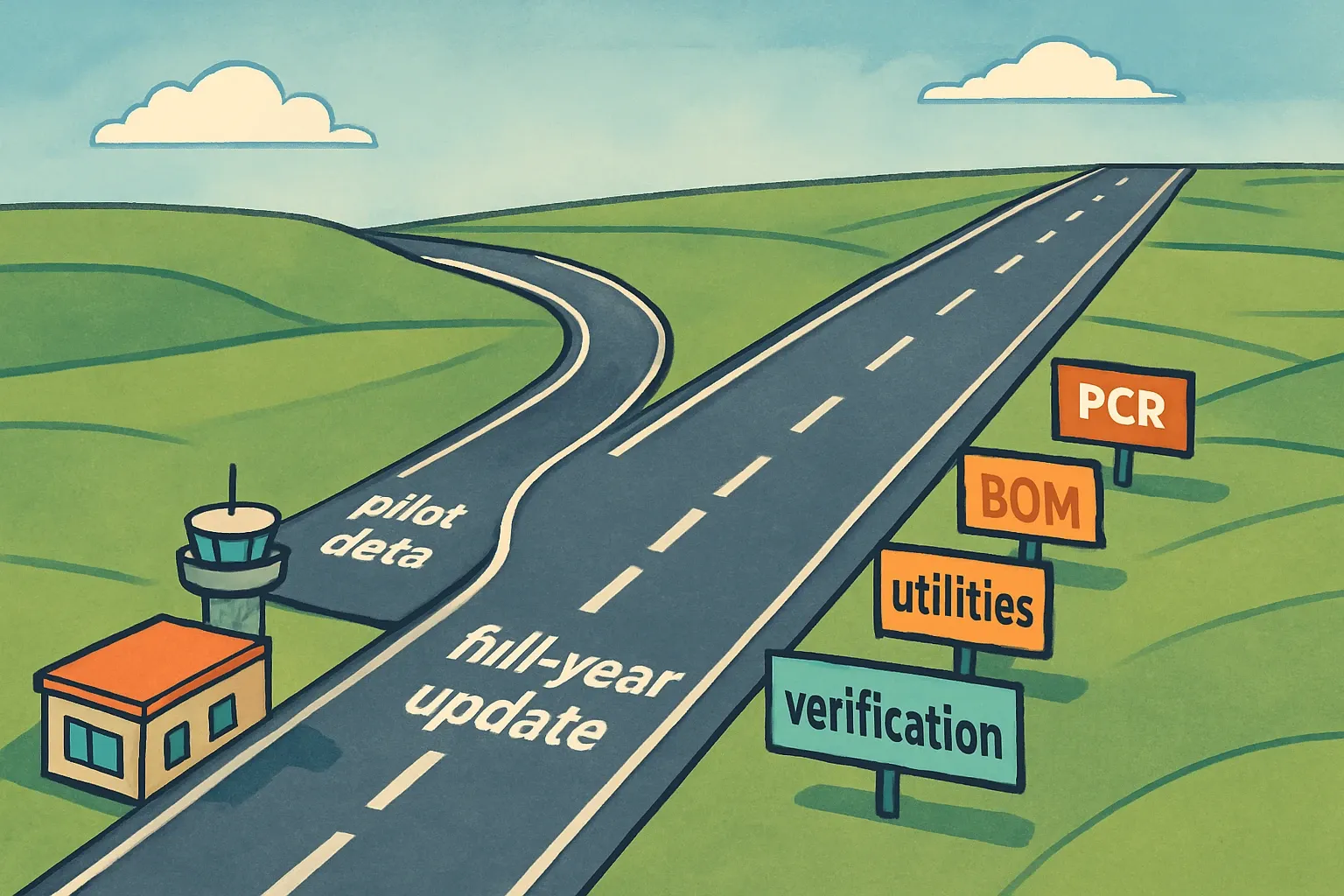
First 30 days map repositories, define zones, and pilot the two modes with a small product family. Next 30 days connect SSO, finalize role mappings, and turn on provenance. Final 30 days scale to the full catalog, add a watchlist for red flag phrases, and institute weekly content QA with fast fixes.
The payoff manufacturers actually feel
RFPs and technical questionnaires move faster because answers are consistent and sourced. New hires ramp in weeks, not months, by using customer safe mode as a coach. Legal and sustainability teams sleep better since restricted data never crosses into sales decks. The commercial upside is real and it is definately safer.
Make AI helpful and safe at the same time
Governance and access control are not speed bumps. They are the rails that let teams move quickly with confidence. Build the zones, wire the roles, and choose modes that match the moment. Your knowledge base will answer boldly when it should, and stay quiet when it must.