What GaBi is (and what it is not)
GaBi LCA software is a modeling environment used to build cradle‑to‑gate and cradle‑to‑grave LCAs that support product‑specific EPDs for construction materials. It is a tool to model cause and effect in your product system, not a shortcut that writes an EPD on its own. Think of it as a wind tunnel for environmental performance where the quality of the test depends on the parts you bolt in.
Where it fits in an EPD project
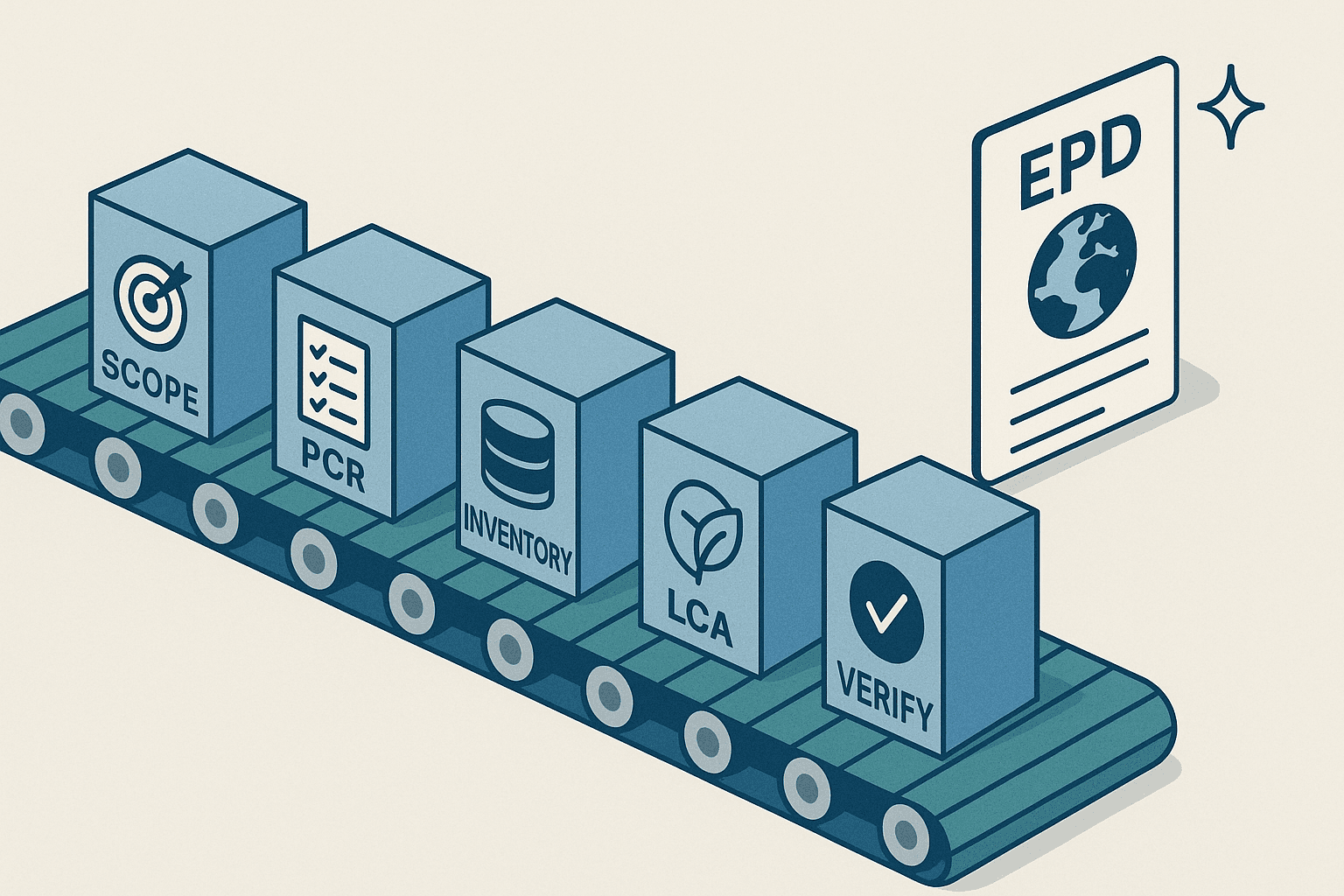
An EPD needs a compliant LCA, third‑party verification, and publication with a program operator. GaBi can produce the LCA model and results that a verifier reviews, then those results are used to format the declaration for an operator such as Smart EPD in the US or IBU in Europe.
Standards you must hit
Construction EPDs typically reference ISO 14040 and ISO 14044 for LCA methods and align to EN 15804 for modules and reporting. Your PCR (the category‑specific rulebook) sets additional guardrails that the GaBi model must follow. A PCR is the rulebook of Monopoly, ignore it and the game falls apart.
Databases, the secret sauce
GaBi ships with background databases that cover grids, fuels, transport and materials, plus industry association data where available. Choosing country and year aligned datasets matters because grid mixes and upstream impacts shift over time, which can move GWP and energy results meaningfully. If a supplier gives primary data, prefer it over generic background where feasible.
Foreground modeling that mirrors your plant
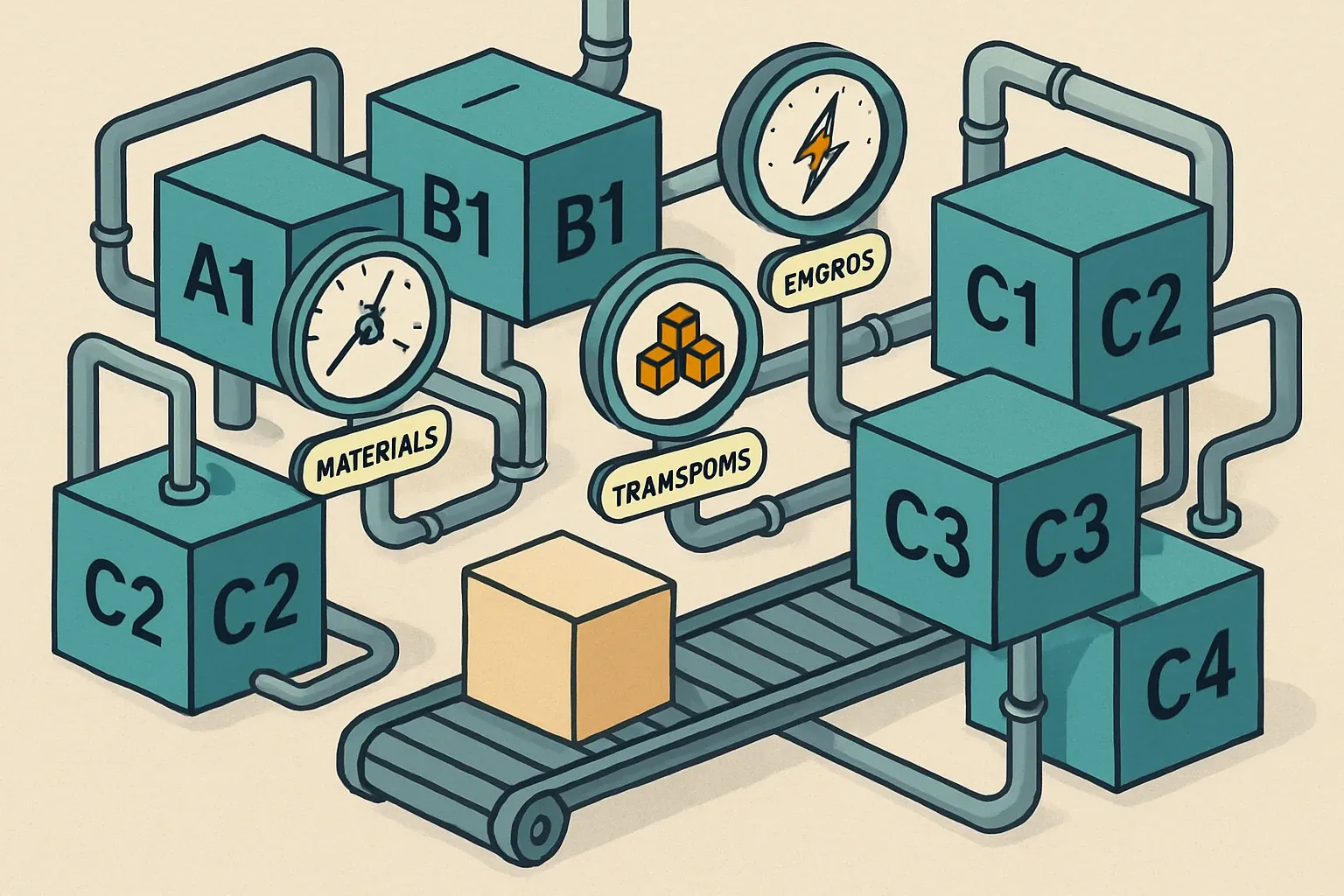
Strong models mirror how your product is actually made. Map unit operations, energy meters, yields, scrap loops, and packaging. Parameterize things that vary by line or grade so you can maintain one core model rather than ten forks. The result is traceable math that scales across a portfolio without spreadsheet sprawl.
Ready to streamline your EPD process?
Follow us on LinkedIn for insights on leveraging GaBi for winning projects and boosting your brand.
Multi‑plant reality
If the same product is produced at several plants, treat plant energy, waste, and logistics as parameters with plant‑level values, then report a weighted average or plant‑specific EPDs depending on strategy. This avoids model drift and lets you update a single source of truth when utilities or routing change.
PCR choice and expiry
Most teams follow the PCR used by close competitors to keep comparisons meaningful, provided the document is current. When a PCR expires, your existing EPD does not instantly become invalid, it simply needs the updated rules the next time you renew. Good partners track this and flag renewal windows early so you are never scrambling.
Scenarios that often get missed
Model packaging and inbound transport with realistic modes and distances. Include A4 transport to site and typical end‑of‑life routes if your PCR requires them. Sensible scenarios can prevent surprises when a verifier checks assumptions.
Verification and publication
A GaBi model is necessary but not sufficient. You still need independent verification and an operator to publish with a unique EPD number. Budget calendar time for verifier Q&A, operator formatting checks, and final posting. Cycle time depends far more on data readiness and review queues than on software clicks.
Software or service, or both
Running GaBi in‑house gives control if you have LCA expertise and the hours to collect data across plants and suppliers. Many manufacturers prefer a partner who leads data requests, models, and verification, then hands back files for future updates. The best setups blend both, with a white‑glove collection process so engineers keep building products rather than chasing utility bills. Some teams definately underestimate the lift here.
Commercial implications
On projects that track whole‑life carbon, a product‑specific EPD prevents conservative default penalties that can push a bidder to a different brand. Sales cycles are smoother when you can share a verified declaration rather than a roadmap slide. This is about being spec‑ready, not just sustainability theater.
What a fast, low‑drama path looks like
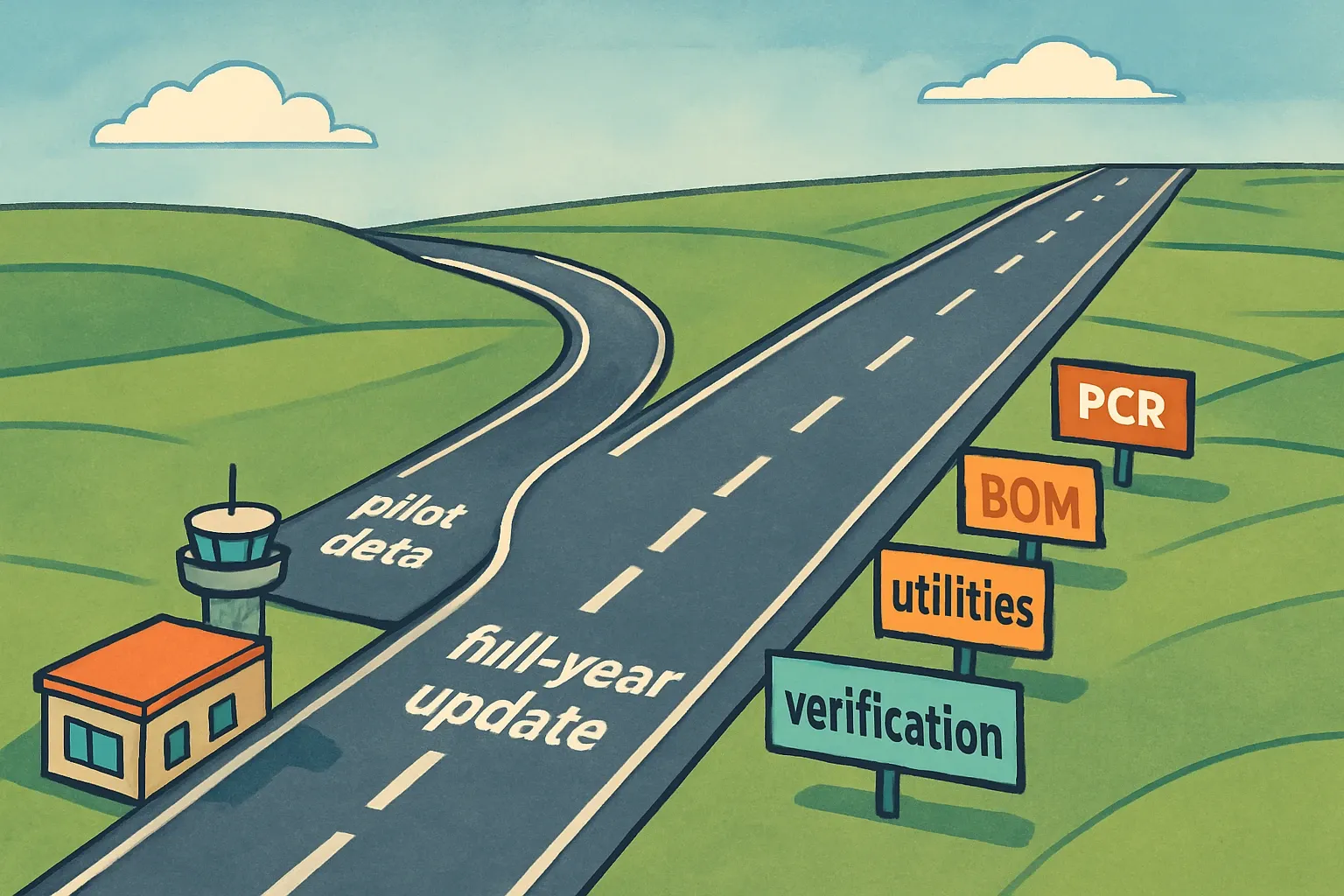
Pick the right PCR, decide on plant scope, gather one clean reference year of data, model in GaBi with parameters, respond quickly to verifier questions, then publish with your chosen operator. Keep a short annual routine for updates and you will stay current without annual fire drills.
Final thought
GaBi LCA software is a capable engine. The win comes from pairing it with disciplined data collection, smart PCR choices, and a verification plan that keeps your EPDs credible and on time. Do that and the EPD stops being a hurdle and becomes a lever for specs and revenue.