Plain‑English definitions that matter
Global Warming Potential (GWP): a single number that adds up all greenhouse gases into carbon‑equivalent for a defined time horizon, usually 100 years. Think of it as the scoreboard for climate impact.
Hotspot analysis: a simple map of where impacts cluster in your product or process. Materials, electricity, fuels, transport, or end‑of‑life are common hotspots.
Sensitivity analysis: a test of how much the total GWP moves when one input changes by a set amount. It answers which levers move the needle and by how much.
Why teams stall at the tornado chart
Most sensitivity charts are static. They rank variables by influence, then sit in a PDF with no path to action. The jump from “recycled content matters” to “how much recycled content, at which plant, under which PCR, at what cost” is where momentum dies.
Read a sensitivity chart like a plant manager
Start with the top three drivers. Convert their percent swings into absolute kilograms of CO2e per product and per annual production. Note which levers you control directly in the next six months versus those that require supplier renegotiations or capex. Then model scenarios that combine two levers at once because real operations rarely change one thing in isolation.
Hotspot reality check with credible numbers
Materials often dominate. For aluminium, primary production averages 15.1 t CO2e per tonne while recycled aluminium is about 0.52 t CO2e per tonne, a ~95% cut, based on recent industry data (International Aluminium Institute, 2024) (IAI, 2024). Steel remains a major hotspot in many categories, with average sector intensity reported at 2.18 t CO2e per tonne in 2024 when counting scopes 1 to 3 at the sector level (worldsteel, 2025) (worldsteel, 2025). Electricity matters too. The U.S. national delivered‑electricity rate used by EPA equivalencies is 1,405 lb CO2 per MWh for 2022 data, which many plants can displace with on site generation or contracts (EPA, 2025) (EPA, 2025).
Example 1: test higher recycled content without guesswork
If your product uses 2 kg of aluminium, moving from 30% to 70% recycled content changes the aluminium share of GWP materially. Model cradle‑to‑gate with the IAI intensities above to estimate the delta in kg CO2e per unit, then multiply by forecast volume. Pair that with scrap availability and price bands so purchasing can act. If supply is tight, create two parallel scenarios that flex recycled content and electricity source so operations has a Plan B.
Example 2: evaluate on site solar where it actually pays
Build a back‑of‑envelope first. A 1 MW array at 17% capacity factor makes about 1,500 MWh per year. Using EPA’s national rate, that avoids roughly 1,405 lb CO2 per MWh times 1,500, or about 950 metric tons CO2 per year before considering PV lifecycle impacts or local grid factors (EPA, 2025). Then refine with your eGRID subregion and your real load profile. Tie results to production volume, not just kWh, so everyone sees avoided CO2 per product.
Example 3: electricity contract swaps beat hero projects more often
In some regions, shifting to a bundled renewable contract or a shaped PPA can drop scope 2 faster than building assets on site. The sensitivity chart will already tell you how responsive your total GWP is to kWh emission factor changes. Model hourly matching where possible, but do not let perfect be the enemy of better this fiscal year.
Combine levers because the plant runs as a system
Single‑factor sensitivity exaggerates silver bullets. Run two‑way and three‑way scenarios that mix recycled content, electricity factor, and yield loss. Many products see compounding wins when scrap reduction frees budget that funds a grid switch. Sometimes the best decision is boring process control that reduces rework by 1%, which quietly trims material and energy hotspots at once.
From one‑off runs to on‑demand modeling
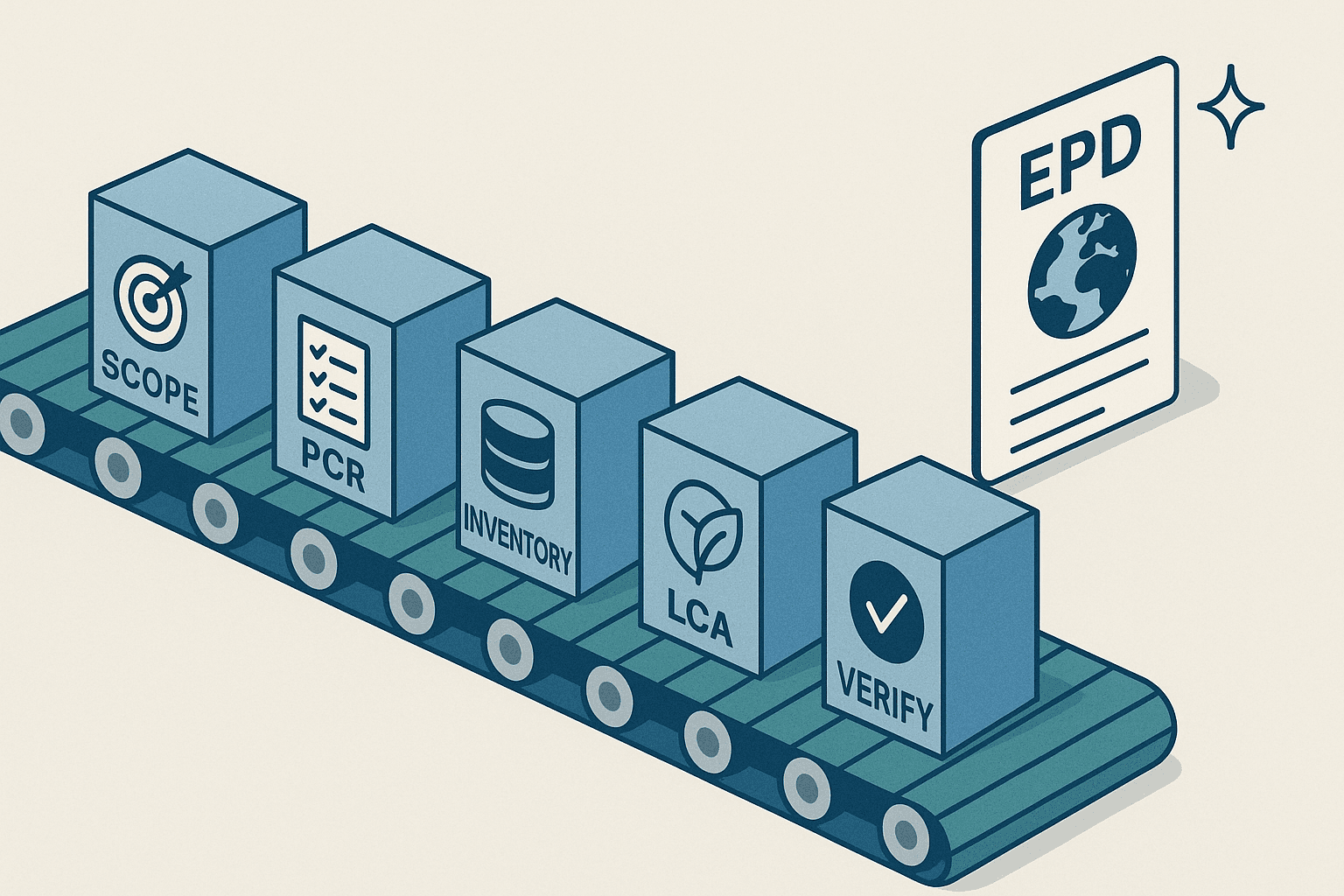
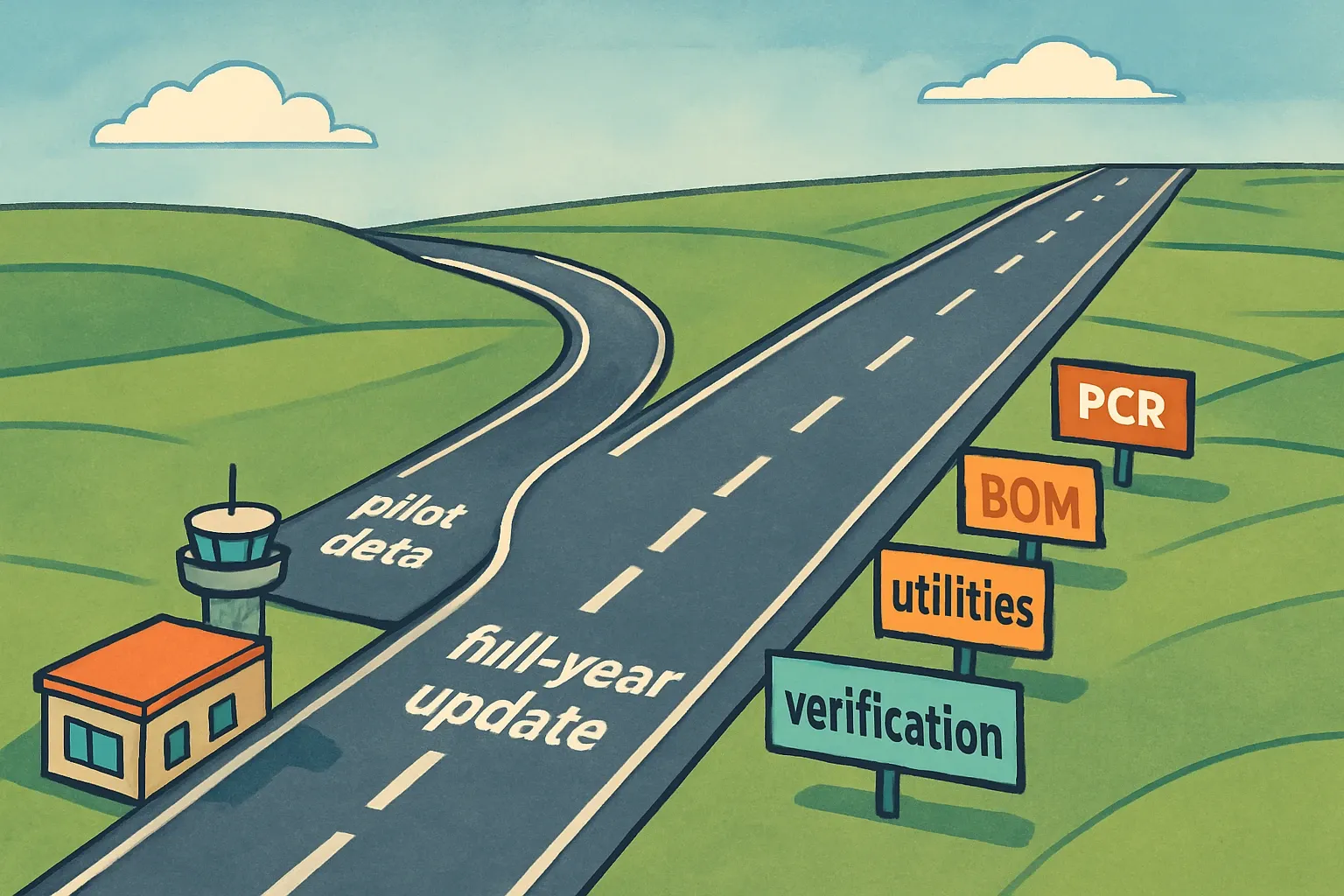
Ad‑hoc consultant reruns slow decisions. A purpose‑built LCA platform that ingests plant data and supplier EPDs can re‑compute GWPs on demand, keep PCR settings consistent, and export updated tables for program‑operator publication. The heavy lift is clean data collection across utilities, bills of material, and transport. That is where white‑glove workflows save weeks and protect quality so R&D and plant leads keep thier focus.
Make it fundable with a simple business case
Translate every scenario into three lines: projected CO2e reduction per unit, total annual reduction at forecast volume, and cost per tonne abated after incentives where available. Add the sales upside that comes from meeting buyer thresholds in current specs and emerging LEED v5 proposals that place more weight on embodied carbon transparency. If trustworthy regional numbers are missing, say so and flag the next data pull rather than inventing figures.
What good looks like in the next quarter
- Pick one product at one plant and turn the last LCA into a live model with documented assumptions.
- Run five scenarios that blend material content and electricity factor, then lock two for pilot.
- Publish the decision rule in one page. Example: “If recycled aluminium price premium is below X and monthly eGRID factor is above Y, switch recipe to 60% recycled content for SKUs A and B.”
- Schedule a monthly refresh. Keep the tornado chart, but make it a steering wheel.
The trend line favors teams that can rerun fast
Many buyers still accept any compliant EPD today. The shift toward comparing like‑for‑like GWP numbers is accelerating across public and private procurement. Building the muscle now to refresh models, quantify trade‑offs, and ship a clean, verified update is the difference between reacting slowly and setting the bar for your category.