What “reliable” actually means
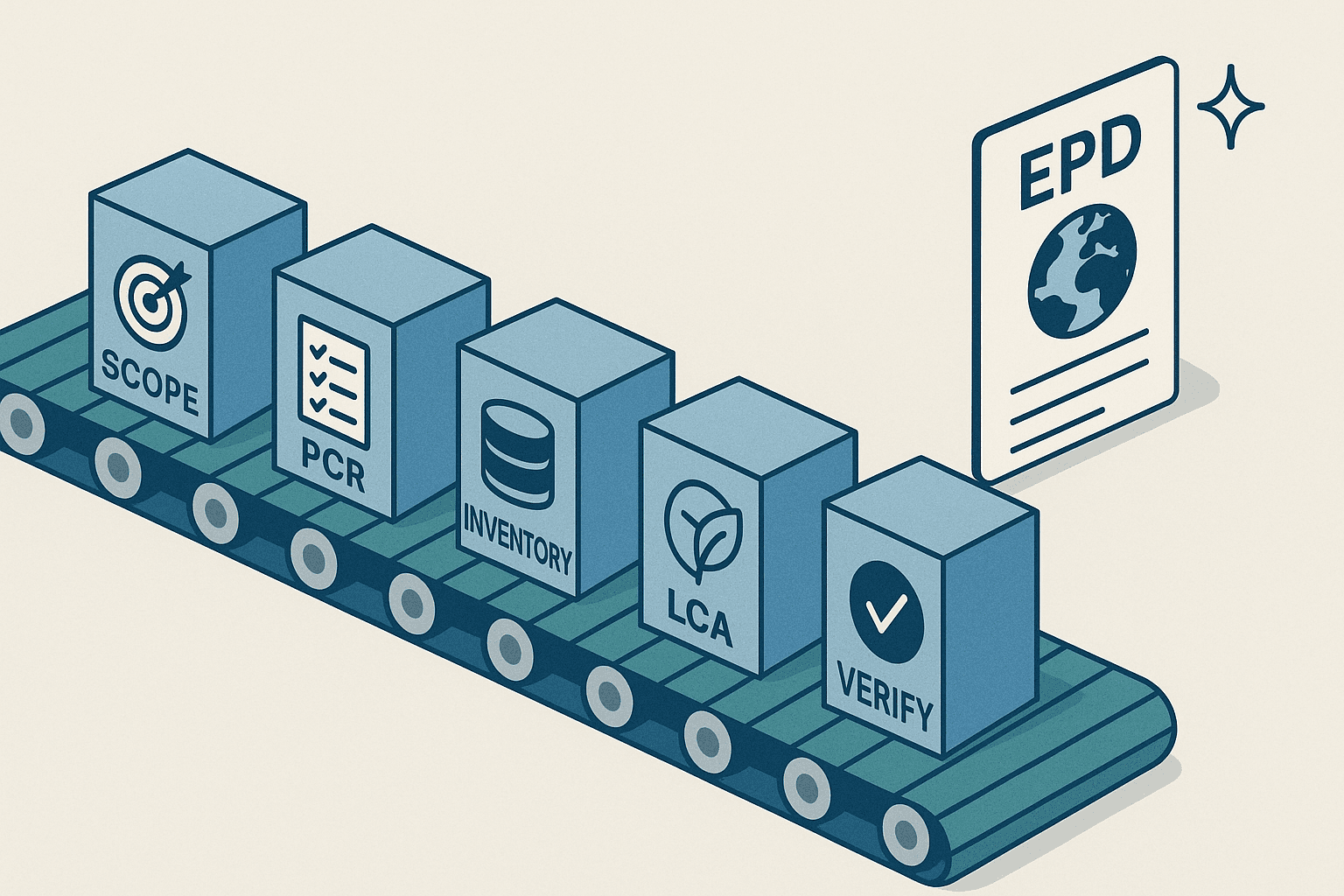
Reliable means the results are transparent, comparable, and defensible under scrutiny. In practice, that looks like an LCA built to ISO 14040 and 14044, an EPD that follows ISO 14025 and EN 15804, and third party verification. Think of it like a well‑officiated game. Everyone plays by the same rulebook and the scoreboard is trusted.
Start with standards that travel well
If the assessment will cross borders or rating systems, anchor it to EN 15804 and ISO 14025. These are the passports that let your numbers move from design model to bid review without translation drama. Teams do notice when a declaration skips required modules or uses an obscure rule set.
The 10‑minute EPD trust scan
Use this quick screen before you circulate a PDF internally or with customers.
- Check the program operator and verifier. Confirm the EPD is third party verified and names the verifier.
- Confirm the PCR title and version. It should fit your product category and match competitors you are compared against.
- Look at validity dates. Most EPDs are valid for 5 years, which matters for bids and databases (EPD International GPI, 2024).
- Read the declared unit. Make sure it matches how buyers purchase and install the product.
- Confirm system boundary. A1 to A3 is table stakes. If A4 or A5 is included, scenarios must be clear.
- Scan data quality notes. You want recent, geographically relevant background datasets and site data that actually reflect your plant.
- Record version and product name. Small naming mismatches cause big search headaches later.
Apples to apples, not fruit salad
Comparability is a choice, not a coincidence. Use the same PCR, the same declared unit, and the same life cycle modules when lining up alternatives. If one supplier reports A1 to A3 and another adds A4, normalize or you will compare a halftime score to a final score.
Where to find solid assessments
Start at program operator registries, then pivot to national databases when the project demands it.
- EPD program operators: EPD International, UL, ASTM, NSF, IBU, BRE, Smart EPD.
- National and sector hubs: ÖKOBAUDAT, INIES, ECO Platform. These are curated and reduce the risk of orphaned or expired files.
Use them as source‑of‑truth, then keep a local register so sales and spec teams are never emailing around the wrong PDF.
Signals of strong data quality
Look for primary data from your actual production line, clear electricity mixes, and transparent allocation rules. Good EPDs explain cut‑offs, show transport distances and payload assumptions, and state the background database versions. If those lines are thin, reviewers will assume the modeling is thin too.
Product‑specific beats generic when specs get tight
Industry averages help early design, yet product‑specific EPDs usually carry more weight in ratings and procurement. LEED v5’s embodied carbon approach continues to value product‑specific, third party verified declarations, which helps your product avoid pessimistic default factors in project carbon accounting.
Expired PCR is not the same as an invalid EPD
PCRs evolve. Your EPD may remain valid until its expiry even if the PCR is revised, then it must use the newer rule at renewal. Track both clocks so renewals are planned, not rushed. This avoids last‑minute rework when a bid asks for the “latest rule set.”
Construction LCA scope that buyers expect
Design teams increasingly ask for cradle‑to‑gate results for Global Warming Potential with optional A4 and A5 scenarios for logistics and installation. If your category has meaningful use‑phase impacts or end‑of‑life gains, document them with credible scenarios and keep the math reproducible. No magic.
Choosing help without headaches
A strong LCA and EPD partner makes data collection white‑glove, project manages stakeholders, and publishes with the operator that best fits your market. Ask how they gather utility, material, and scrap data, how they handle multi‑plant portfolios, and how quickly they turn comments from verifiers. Speed with discipline beats speed with shortcuts. Your team don’t need another software chore.
Make reliability a habit
Set a quarterly EPD review, refresh your internal register, and align on one comparison template for sales. Do this and you will stop arguing about PDFs and start winning specs on numbers everyone trusts. It’s like switching from a messy playlist to one clean album. The music finally plays.