What an EPD strategy actually covers
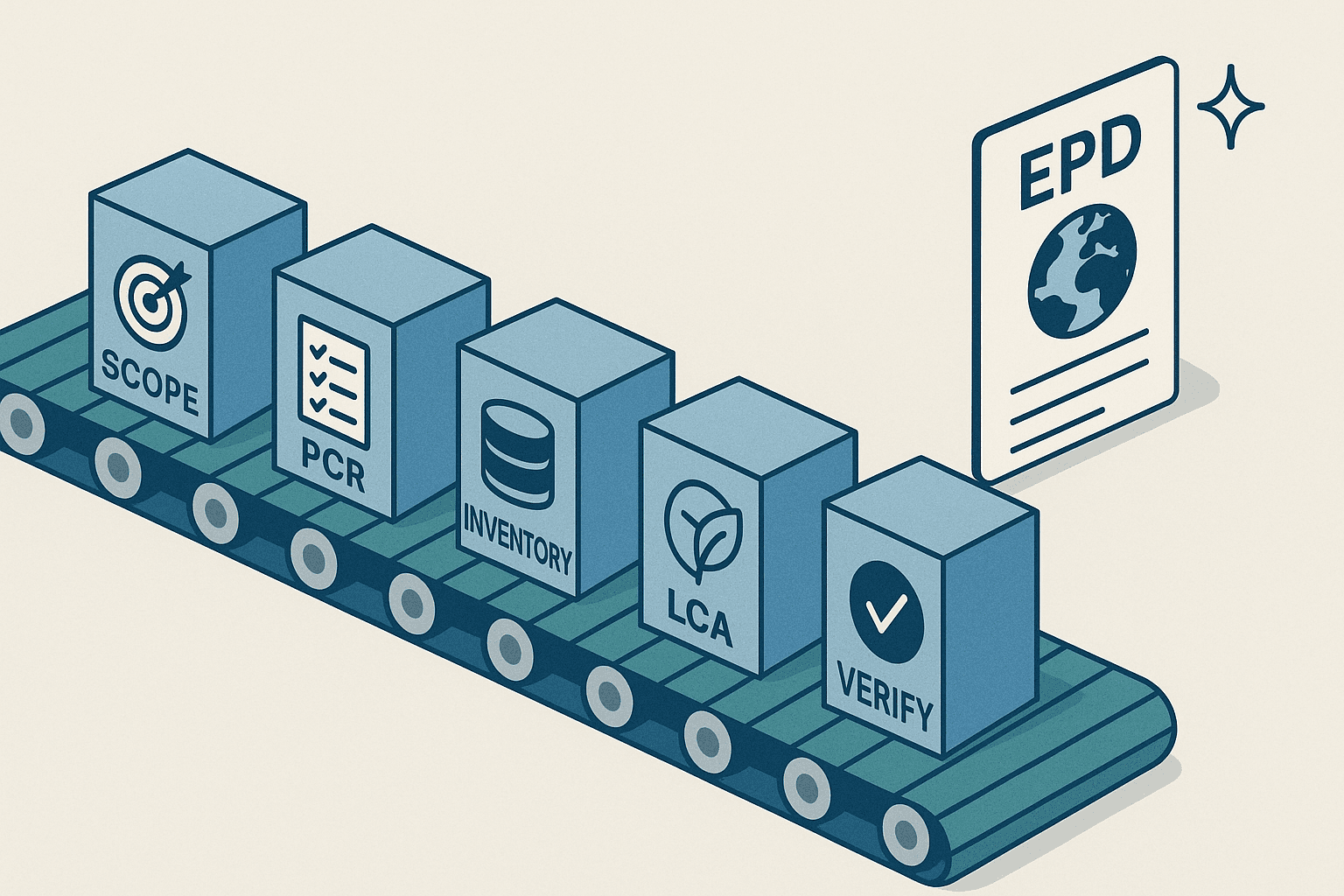
An EPD strategy aligns product scope, reference rules, data collection, and publication so the declaration helps win specs, not just tick a box. Treat it like a product launch plan that spans category positioning, technical compliance, and release timing. If someone in the room asks about an epd strategy for manufacturers, this is the playbook they mean.
Pick the rulebook first, not last
A Product Category Rule is the rulebook of Monopoly. Ignore it and the game falls apart. Start by mapping which PCR competitors use, the declared unit that matches how customers buy, and when that PCR will be revised. PCRs can expire even while your EPD remains valid until its own end date, so plan your renewal path early.
Choose the right program operator
Operator choice shapes templates, review cadence, and marketplace visibility. In the United States, Smart EPD is common. In Europe, IBU is frequently used. The right pick is the one your market recognizes, your category peers use, and your internal reviewers can support. Agnostic selection keeps the focus on speed, quality, and completeness rather than brand loyalty.
Decide on life cycle boundaries with intent
Cradle to gate is typical for construction materials where upstream production drives impacts. If transport or installation are competitive strengths, include A4 or A5. Where maintenance or durability sets you apart, model the B stages with credible scenarios. Think of modules like camera lenses. Switch lenses to show the scene that matters for your buyer.
Data model that does not stall production
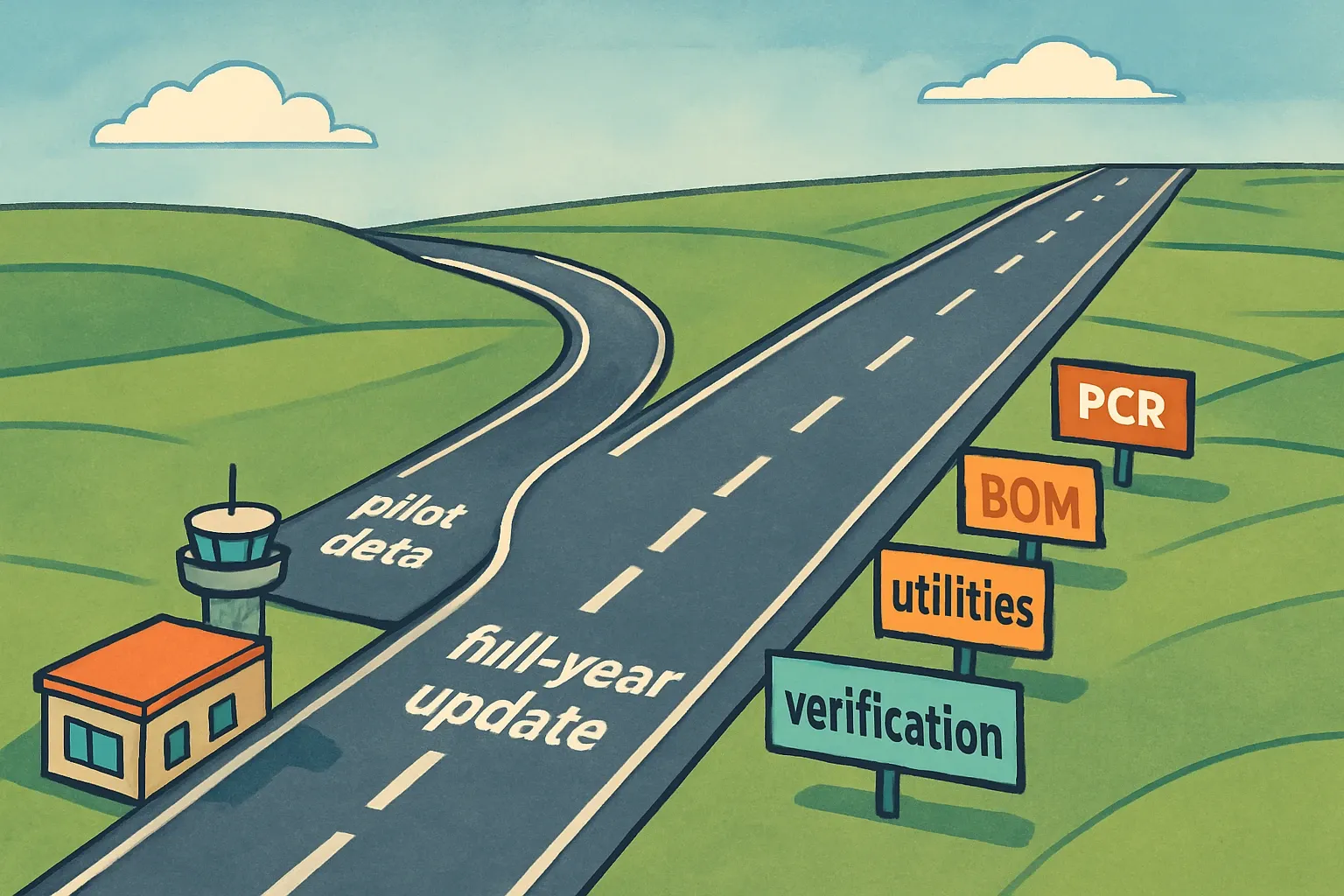
Lock a clear reference year and a plant level bill of materials, utilities, yields, scrap, and packaging. Capture supplier specific data where it moves the needle, otherwise use reputable datasets consistently. For brand new lines, a prospective EPD can bridge the gap until a full year of production exists, provided you plan the rebaseline window in your roadmap.
Want to build a winning EPD strategy for your products?
Follow us on LinkedIn for insights that help you unlock specifications and boost your competitive advantage.
Portfolio triage beats one off heroics
Group SKUs into families by chemistry, process, and plant. Prioritize by revenue at risk, spec frequency, and upcoming bids that require EPDs. Create representative declarations where allowed, then add product specific EPDs where performance or ingredients diverge. This turns a tangle of SKUs into a ladder you can climb quickly.
Verification, timing, and validity
Most construction EPDs are verified and published for a five year validity period, unless material changes trigger an update earlier. Build your gantt with that cadence in mind so renewals never collide with peak season or product changes. The five year norm comes from the core standards that govern EPDs, not a marketing preference (CEN EN 15804, 2019).
Governance that actually sticks
Name one accountable owner, then set a cross functional working group with operations, R&D, product, sales enablement, and compliance. Decide how exceptions will be handled, such as supplier changes or process tweaks mid cycle. It definately helps to document what data lives where, so handoffs do not vanish when people change roles.
Resource model and speed
A white glove data collection model removes the burden from plant and product teams by doing the outreach, formatting, and QA across systems. Internal teams keep decision rights and technical reviews, while specialists handle the heavy lift. That split keeps timelines tight and frees experts to focus on engineering, not spreadsheets.
Commercial signals to watch
Architects and GCs often face a penalty if they specify a product without a product specific EPD, since project accounting defaults to conservative factors. That penalty nudges them toward products with verified declarations. LEED v5 is in development and continues to emphasize carbon outcomes, so credible EPDs remain a practical path to contribute to project goals (USGBC, 2024).
Policy weather and what changed in 2025
Federal incentives shifted in early 2025, which means national Buy Clean style levers are less reliable. The center of gravity has moved to state level policies, private owner requirements, and rating systems. Build your plan around these stable drivers and treat federal shifts as upside, not the foundation.
What good looks like this quarter
Write a one page EPD brief for each priority product family that lists the target PCR, declared unit, life cycle boundary, operator, and data owners. Schedule data pulls with a simple RACI, then lock verification slots ahead of time. Publish on the operator site and your own product pages, with a simple crib sheet for sales so the value lands in every bid.
A final word on momentum
Call it epd strategy for manufacturers or simply good product ops. The point is to make EPDs routine, fast, and trusted, so your team competes on what it builds best. Keep the rulebook close, your data clean, and your renewal calendar visible, and the rest feels less like paperwork and more like progress.