From documents to a living portfolio
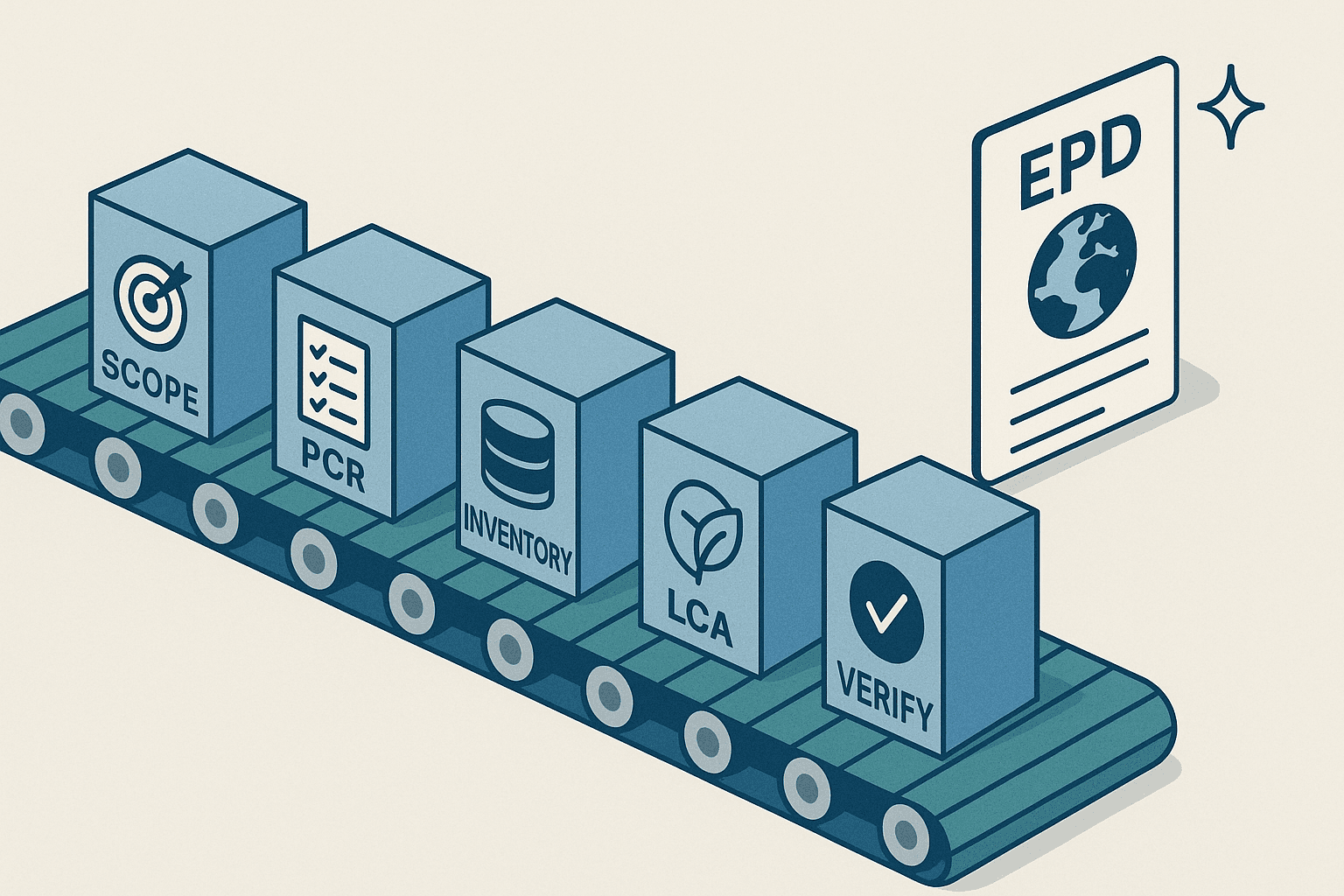
EPDs are not trophies that sit on a shelf. They behave more like a streaming library that adds titles, retires a few, and updates others on a schedule. Treat the portfolio as a system, not a stack of PDFs, and everything downstream gets easier.
Single‑pane visibility is the difference between calm and chaos
A central catalog that links products, plants, and declarations gives everyone the same map. Think of it as a glass cockpit for sustainability. One screen should answer what exists today, what is in flight, and what will lapse next quarter.
Expirations, PCR shifts, and the renewal clock
Most EN 15804 program operators set EPD validity at five years, so renewals are predictable and plannable (IBU General Program Instructions, 2024) (IBU General Program Instructions, 2024). When a PCR updates, the current EPD does not vanish. The next renewal simply needs to use the newer rulebook, or an alternative that fits the product category.
Coverage mapping across brands and regions
A portfolio view should overlay the product catalog with declaration coverage by brand, region, and market segment. The result looks like a heat map. Green cells show products with current EPDs, amber marks items within the renewal window, and blanks show sellable SKUs that still rely on generic assumptions in bids.
Data‑readiness signals that unlock new EPDs and HPDs
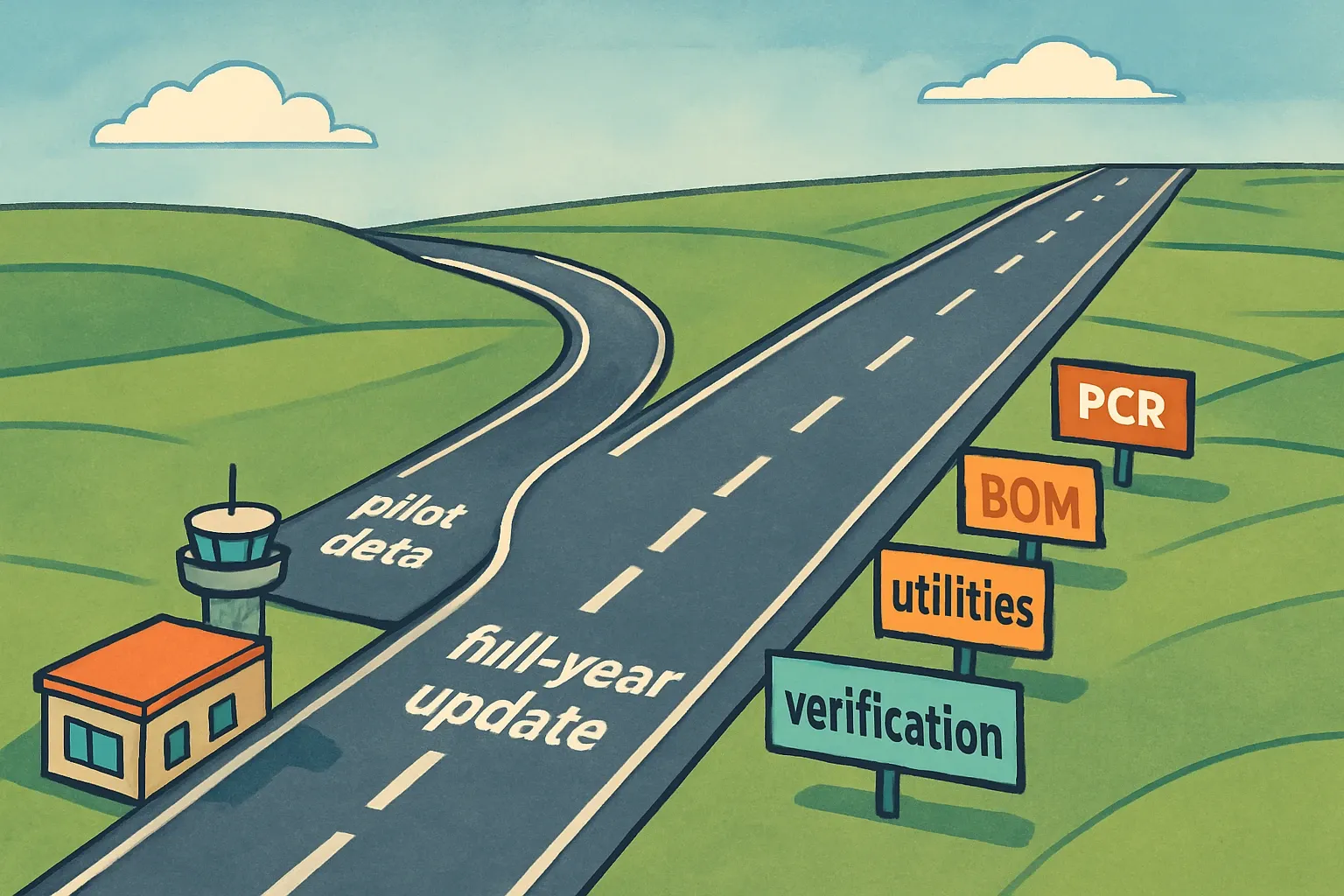
The highest leverage feature is a signal that says which products have enough verified primary data to start an EPD or HPD today. The same view should flag gaps such as missing energy invoices, outdated bills of materials, or supplier datasets that need refresh. No detective work, just a clear next action.
Shared‑services governance that scales across business units
Large manufacturers often centralize sustainability while brands fund their own declarations. Good governance means standardized templates, audit trails, and permissions that match how budgets flow. We prefer a platform model where cross‑brand teams set rules once and let local owners request, review, and approve within those guardrails.
Renewal planning that sales can trust
A calendar that projects expirations six to eighteen months out prevents last‑minute scrambles. Sales can commit bids with confidence because the team knows which EPDs will remain valid through submittals. An older EPD is typically fine inside its validity window, although anything due to expire soon should be queued first.
Portfolio coverage as a commercial lever
Specification teams often default to conservative carbon estimates when a product lacks an EPD. That default can make a good product look worse than it is. Closing coverage gaps turns that penalty into parity, which lets the product compete on performance, availability, and service instead of price alone.
What to ask vendors before you buy another EPD
- Can the tool maintain a master catalog of products, plants, and declarations that multiple brands can share without collisions?
- Does it track expirations, PCR versions, and verification status with alerts that are easy to act on?
- Can it compare the product catalog to current declaration coverage and highlight the gaps automatically?
- Does it show data readiness for new EPDs or HPDs and list exactly what is missing?
- How does it enable shared‑services workflows, approvals, and audit trails across business units?
- Will it export clean status snapshots for executives and customer submittals without extra work?
Make program management a first‑class problem
Speed and quality start with visibility. A single‑pane portfolio turns reactive renewals into a steady drumbeat, reveals easy wins for new declarations, and keeps governance tidy as teams grow. Choose tools and partners that embrace this operating model, not just ones that generate a PDF one at a time.