First things first: what an EPD actually is
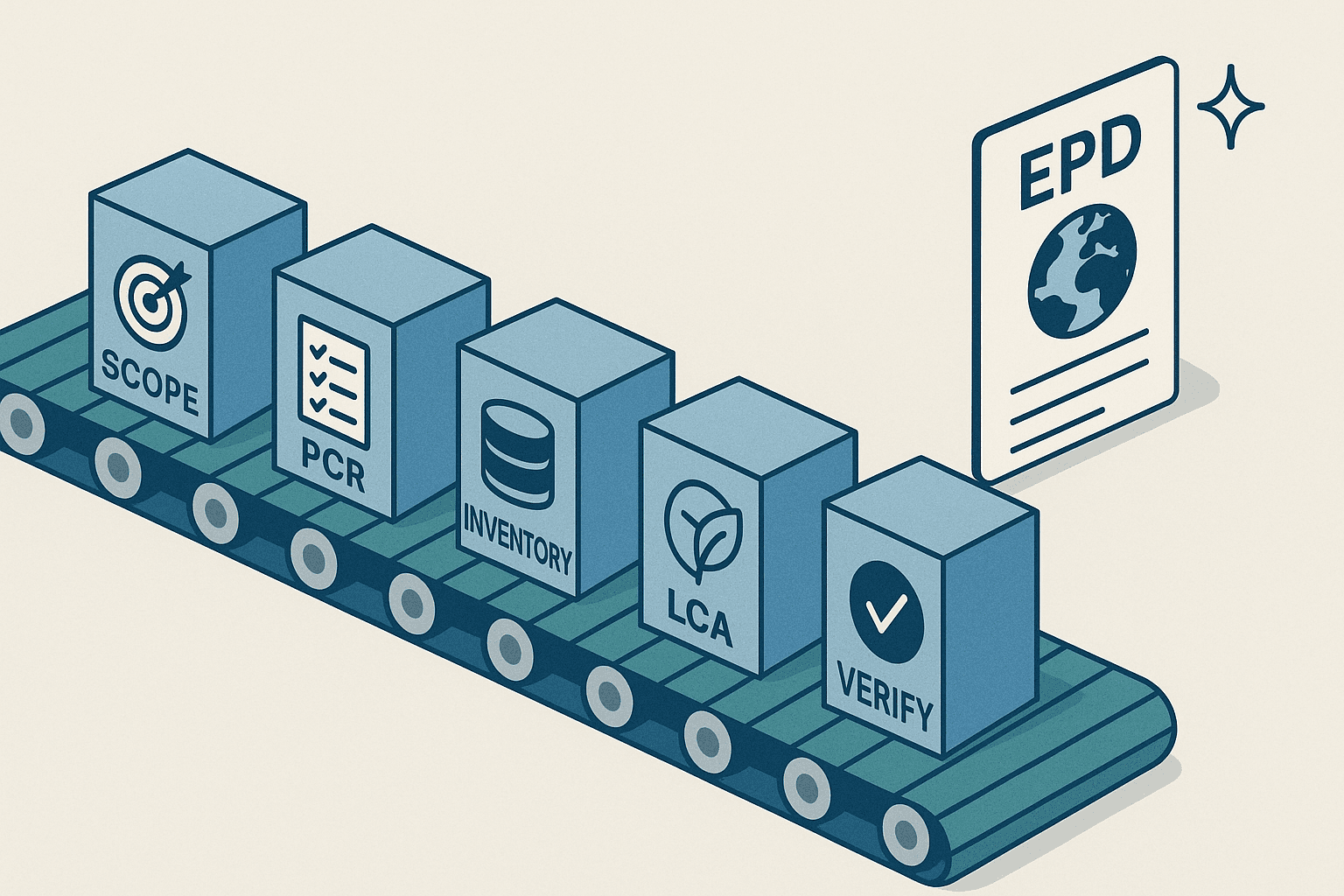
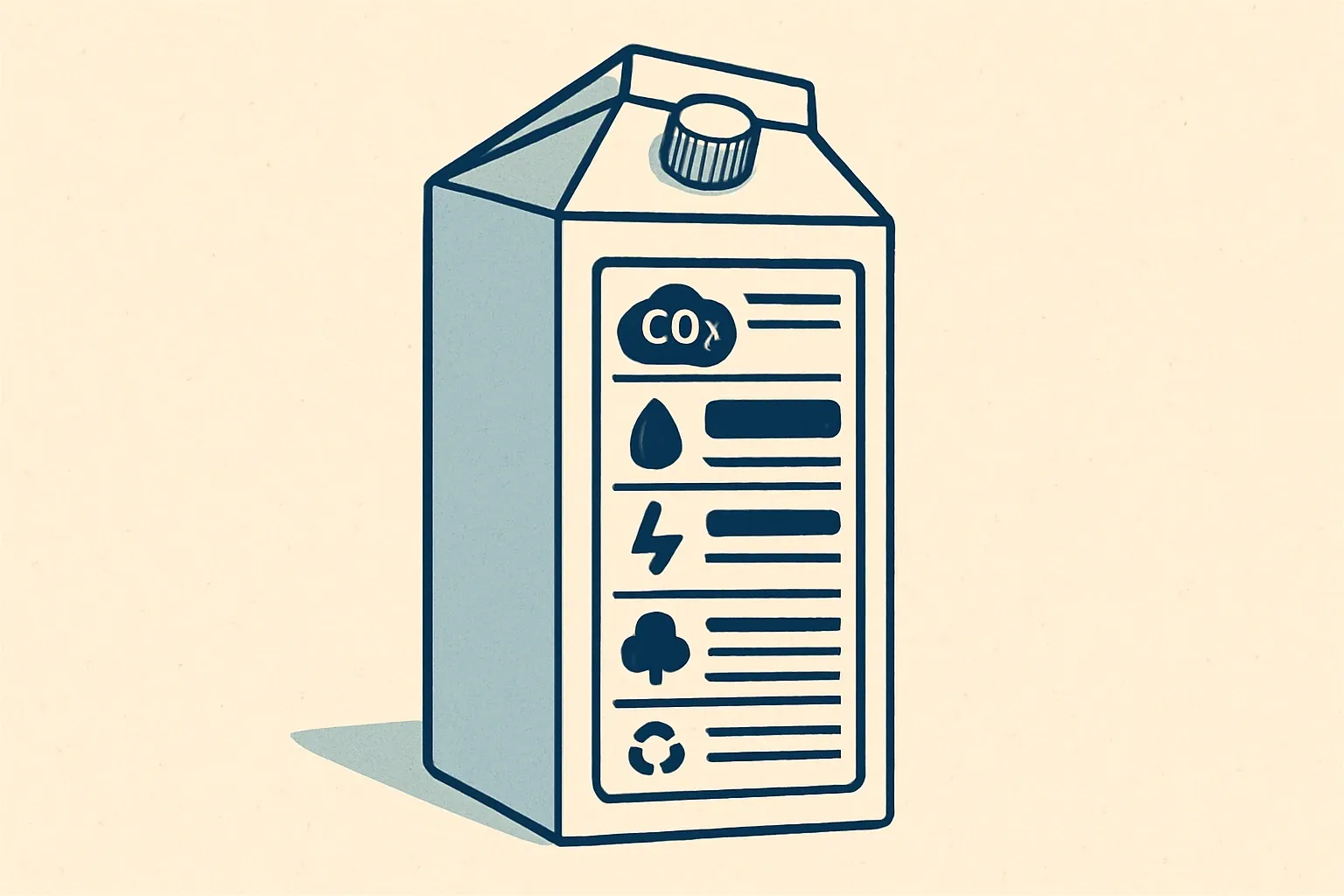
An Environmental Product Declaration is a standardized, third‑party verified report of a product’s life‑cycle impacts. Think of it as the nutrition label of construction, built from an LCA and written to rules called Product Category Rules under ISO 14025 and EN 15804. For most programs, published EPDs carry a 5‑year validity window, so you plan renewals like you would a warranty cycle (UL Solutions, 2025) (UL Solutions, 2025).
Where EPDs are already non‑negotiable
Public owners and state agencies now ask for EPDs at bid and submittal. California’s Buy Clean rules require facility‑specific EPDs for structural steel, rebar, flat glass, and insulation on eligible state projects, with contract applicability dating back to July 1, 2022 (California DGS, 2023) (California DGS, 2023). Caltrans also requires EPDs for hot mix asphalt and concrete on projects with bid openings on or after February 1, 2025, which means materials teams without declarations risk delays or disqualification at submittal time (Caltrans, 2025) (Caltrans, 2025).
The standards behind the label
EPDs for construction products align to EN 15804 and its A2 update. A2 broadened what must be reported and pulled end‑of‑life and Module D into the standard flow, which is why newer declarations look denser than the old ones. It is not extra paperwork for fun. Specifiers are actually reading those added lines.
PCRs: the rulebook you play by
A PCR is the rulebook of Monopoly. Ignore it and the game falls apart. Good practice is to select the PCR most common in your competitive set, confirm it aligns with your geographic market, and check its sunset date so your fresh EPD does not sit on a soon‑to‑expire rule. Program operators update PCRs on a regular cadence. Example, IBU released a new PCR Part A on April 30, 2024 with a six‑month transition window, so projects starting after that date had to align quickly (IBU, 2024) (IBU, 2024).
Want to accelerate your EPD process?
Follow us on LinkedIn for insights on how to unlock compliance and improve your ROI with effective EPD strategies.
Product‑specific beats industry‑average when policy decides
Several public buyers explicitly require facility‑specific, product‑specific EPDs and exclude industry‑average versions for compliance decisions. California’s guidance spells this out, including the requirement that the EPD be valid at time of installation and verified to ISO 14025 (California DGS, 2023).
How long does an EPD last and what about renewals
Most EPDs are valid for five years. PCRs themselves may expire earlier, which does not invalidate your EPD overnight. It simply means your next renewal must use the updated PCR. Keep an eye on renewal windows so sales is never surprised mid‑tender. This is routine housekeeping, not crisis management.
What data you’ll actually need
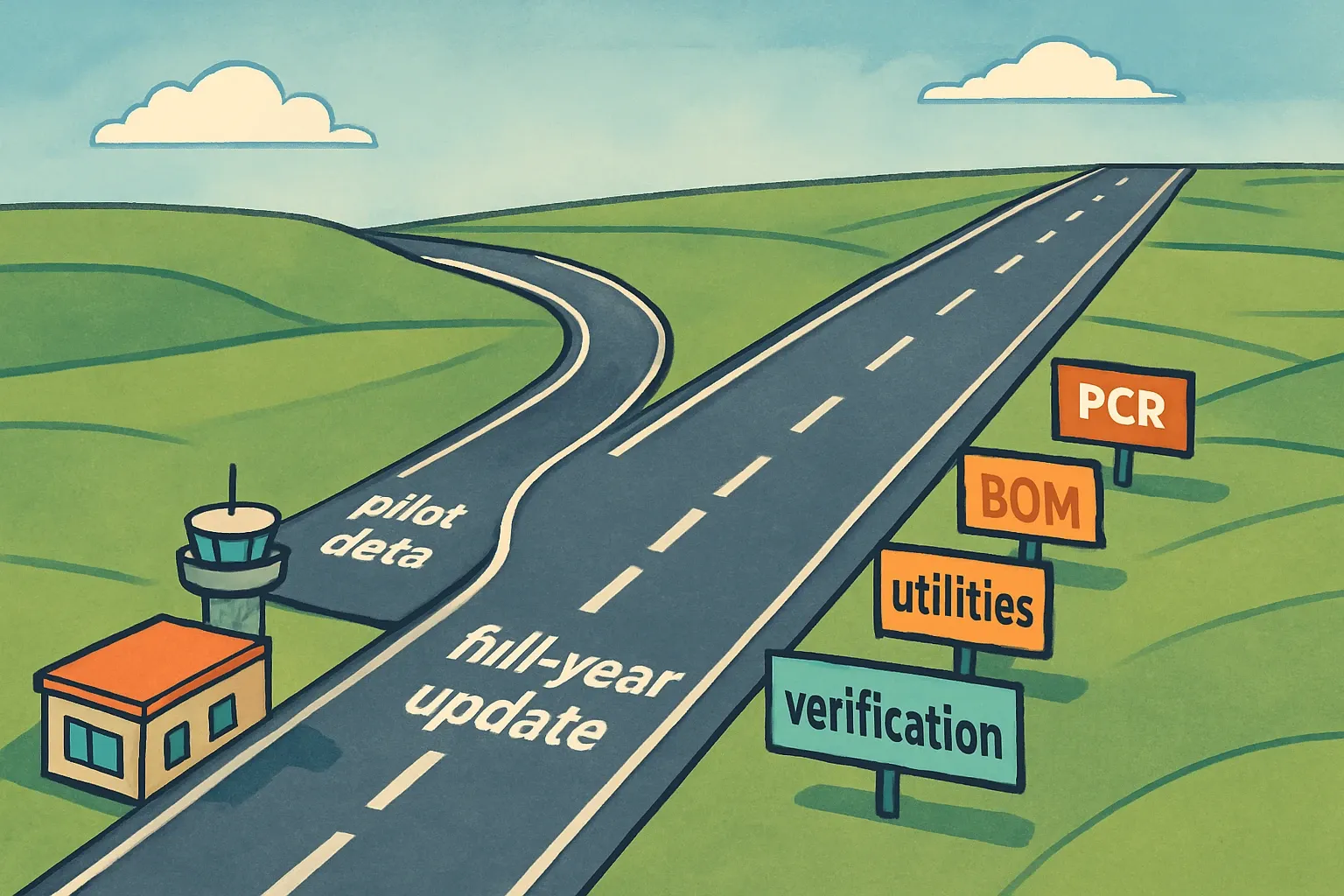
You will need one reference year of operations data for the site that makes the product. Plan on pulling purchased energy by type, raw material inputs and scrap, transport distances and modes, packaging, on‑site fuels, yields, and waste. For a new product in early production, a shorter initial window can sometimes be used, then updated after a full year. A partner who handles internal data collection with your teams saves weeks, sometimes months. We’ve seen data chases eat whole quarters when no one owns it.
Why this matters commercially
Large databases show steady growth in declarations, which signals what specifiers expect to see. INIES, France’s national database, reported 6,324 datasets at December 31, 2024, including 4,560 FDES and 1,342 PEP, up despite mass archiving of older formats in 2024 (INIES, 2025) (INIES, 2025). More published EPDs means that for many categories, showing up without one creates a penalty in carbon accounting models. That penalty often gets you swapped for a competitor who can document their numbers.
Choosing the right program operator
Publish with a reputable operator recognized in your target markets. In the U.S. and Europe, operators accept EN 15804‑aligned EPDs and maintain public registries. Focus on verification quality, clarity of the PDF and data tables, and whether your sales team can easily link to it. The operator should not force you into a tool that slows your team down.
A practical play for “EPD for building materials” searches
If someone on your team is typing epd for building materials into a search bar, your fastest path is simple. Confirm your product scope and facilities, pin down the PCR, assign a reference year, and decide the operator where you want to publish. From there, the heavy lift is data wrangling, not modeling. Pick a partner who takes that on instead of handing you spreadsheets. You’ll move faster and avoid compliance detours that look small on day one and huge at bid time. It’s definately worth doing right the first time.
Your next right step
Line up three things this week. List the SKUs you’ll cover, name the plants, and pull your utility meters and mass‑balance reports for the reference year. With that, you can get a realistic schedule and push to a published, verifiable EPD before the next big RFQ hits.