Why workflow design decides ROI
An EPD is a credential and a customer touchpoint. Buyers rarely see your LCA model, they feel your process. A predictable workflow pulls two levers at once, shorter cycle times and steadier client confidence. LEED v5 keeps product‑specific, third‑party verified EPDs central to documentation, which raises the bar on timely, reliable deliverables (USGBC, 2025) (USGBC, 2025).
Define ownership before kickoff
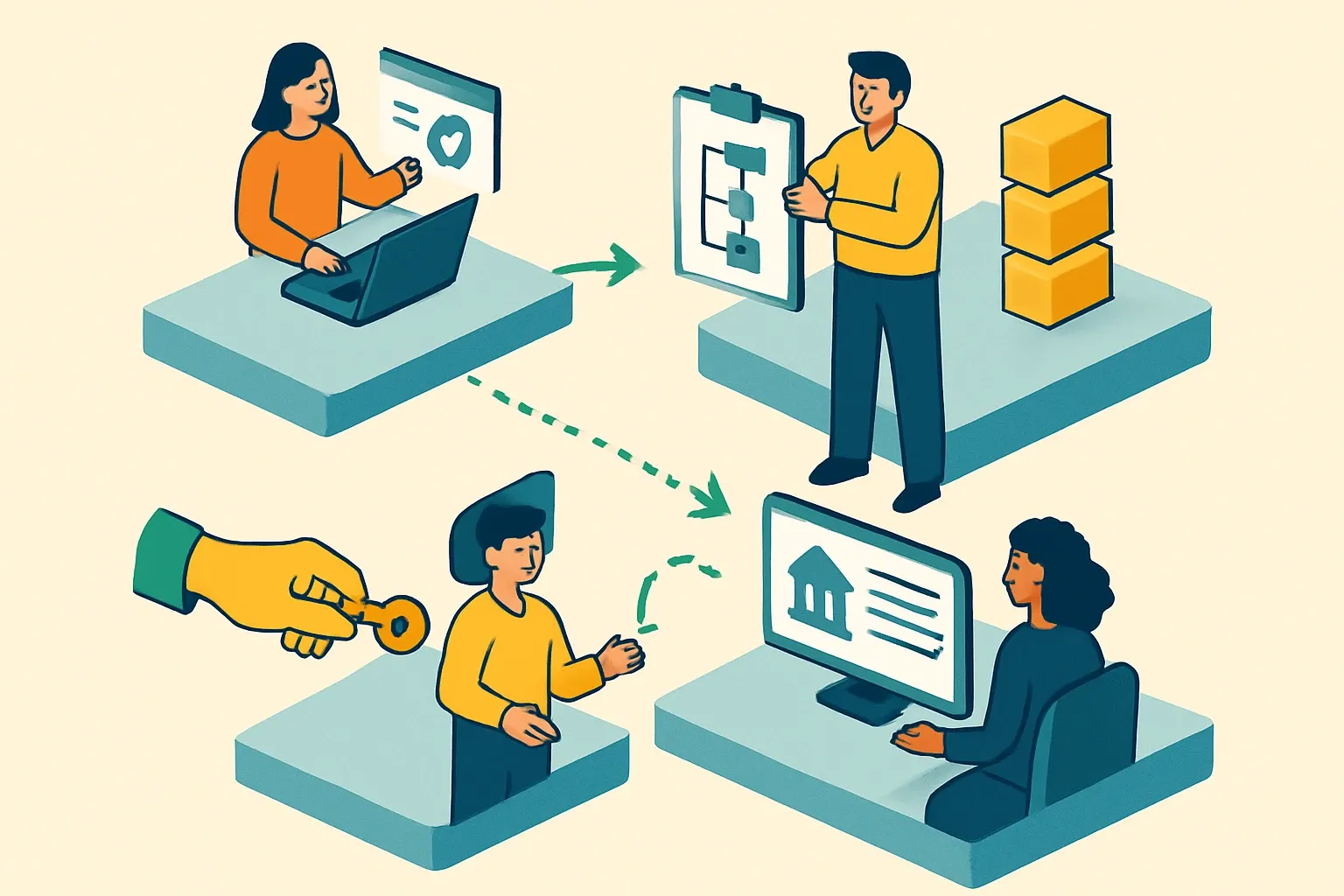
Put names to roles, not teams to tasks. Use a simple RACI mapped to the EPD phases, intake, data freeze, modeling, third‑party verification, publication, enablement. When ownership is explicit, escalations are rare and decisions stick. We prefer one internal sponsor and one external project lead, no committees.
Make sales handoff unmissable
Create a single intake packet that sales cannot skip. Keep it short, but complete enough to prevent rework.
- Product list with SKUs and variant logic
- Facilities in scope and the reference year for data
- Utility contacts and ERP exports for volumes and waste
- Operator preference and target registry language
If any item is missing, the kickoff moves, not the quality bar.
Stage gates that remove guesswork
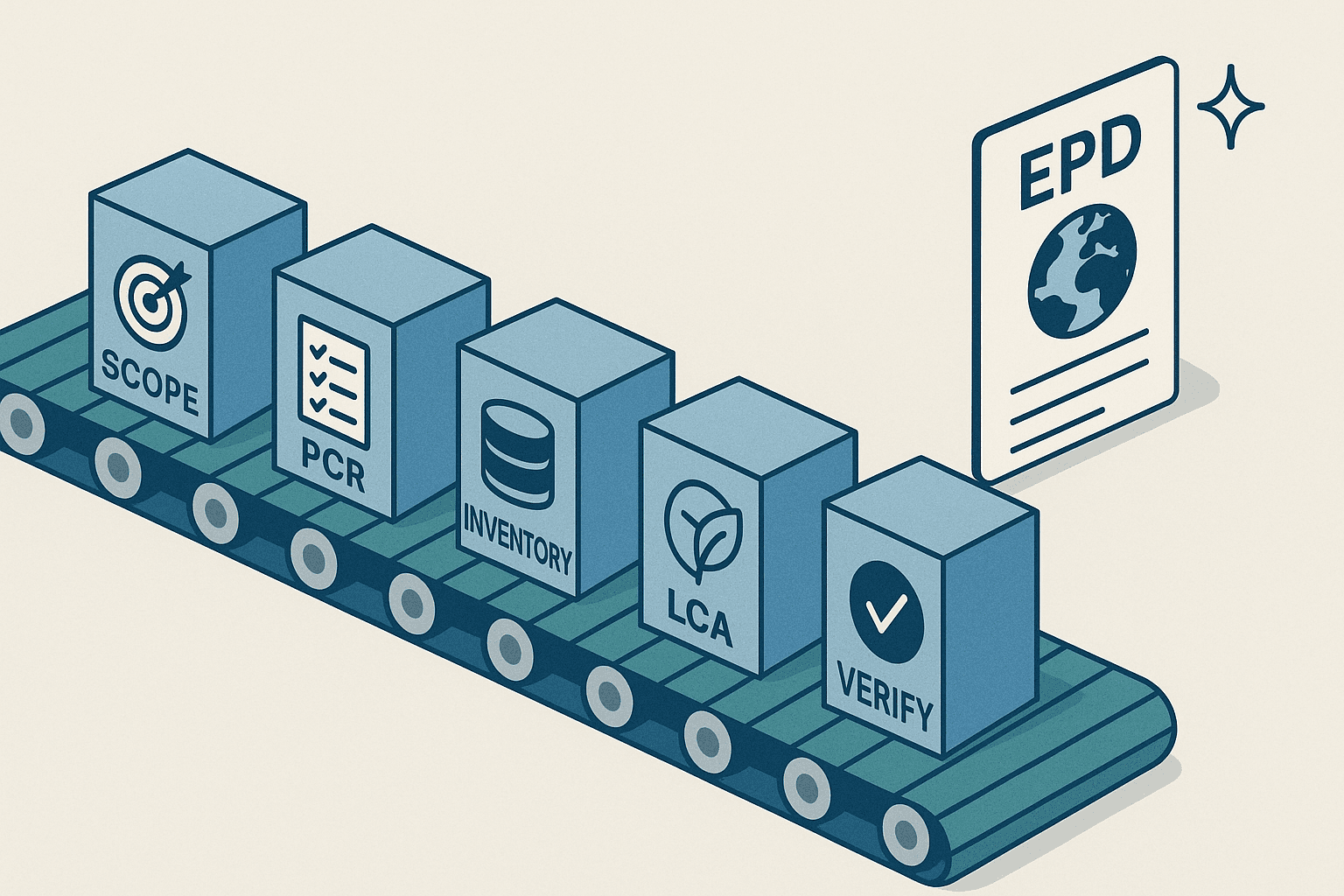
Set visible milestones so clients always know what is happening next. Treat them like product releases, each with a definition of done and a named owner.
- Intake acceptance, scope locked and data owners confirmed
- Data freeze, reference year set and gaps listed
- Model build, assumptions logged and reviewed
- Independent verification, comments tracked to closure
- Publication, PDF and machine‑readable assets delivered
- Training and sales enablement, internal and distributor sessions
EPDs are typically valid for five years from verification and publication, so add a renewal reminder to the closeout package now, not later (EPD International FAQ, 2024) (EPD International FAQ, 2024).
Build the white glove moments
Great client experience is designed, not bolted on. Offer concierge data collection with prefilled templates, schedule short working sessions instead of long request lists, and show progress with simple burndown updates. The client should see you doing the heavy lifting and still feel in control.
Tooling that keeps everyone in lockstep
Use one source of truth. Store intake, assumptions, comments, and verifier responses in a shared workspace. Prebuild templates for plant questionnaires, transport modeling, and allocation choices. GPI 5.0.0 tightened expectations on transparency, which means your documentation trail must stand up to scrutiny every time (EPD International GPI 5.0.0, 2024) (EPD International GPI 5.0.0, 2024).
Flexibility without chaos
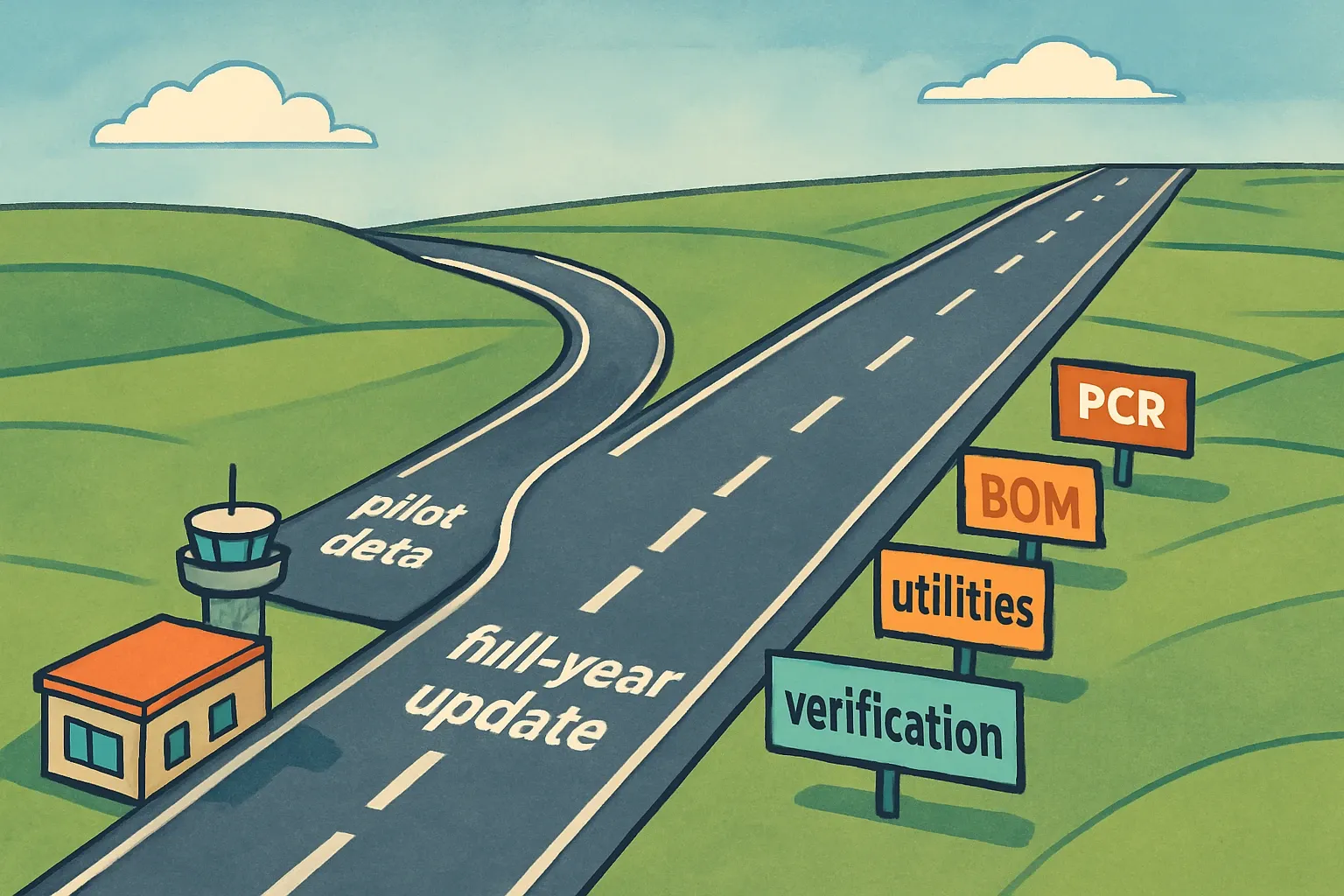
Not every product line needs the same path. Create two or three lanes, single‑plant product, multi‑plant family, and early‑market product where a prospective EPD is appropriate. The milestones stay the same, the homework changes. That lets you scale without rewriting the playbook for every SKU.
Metrics that prove it works
Track leading indicators you can influence mid‑project. Time to first complete data package. Percentage of verifier comments resolved in one round. SME hours spent per EPD. Reliable industry averages are scarce because scopes vary, so benchmark against your last quarter and raise the bar openly.
Closeout that creates future lift
Do not end at publication. Deliver a tidy bundle, EPD PDF, machine‑readable data if available, change log, renewal date, sales slide, FAQ for reps, and a one page comparison to the most common PCR used in the category. That final touch reduces repeat questions and speeds the next spec.
Operating principles to keep
Design for clarity first, then speed. Replace heroics with checklists. Communicate in weekly beats so no one wonders what is happening. There is definately a competitive edge hiding in a calmer, cleaner workflow, because clients remember how it felt just as much as what it said.