What LCA software for EPDs must do
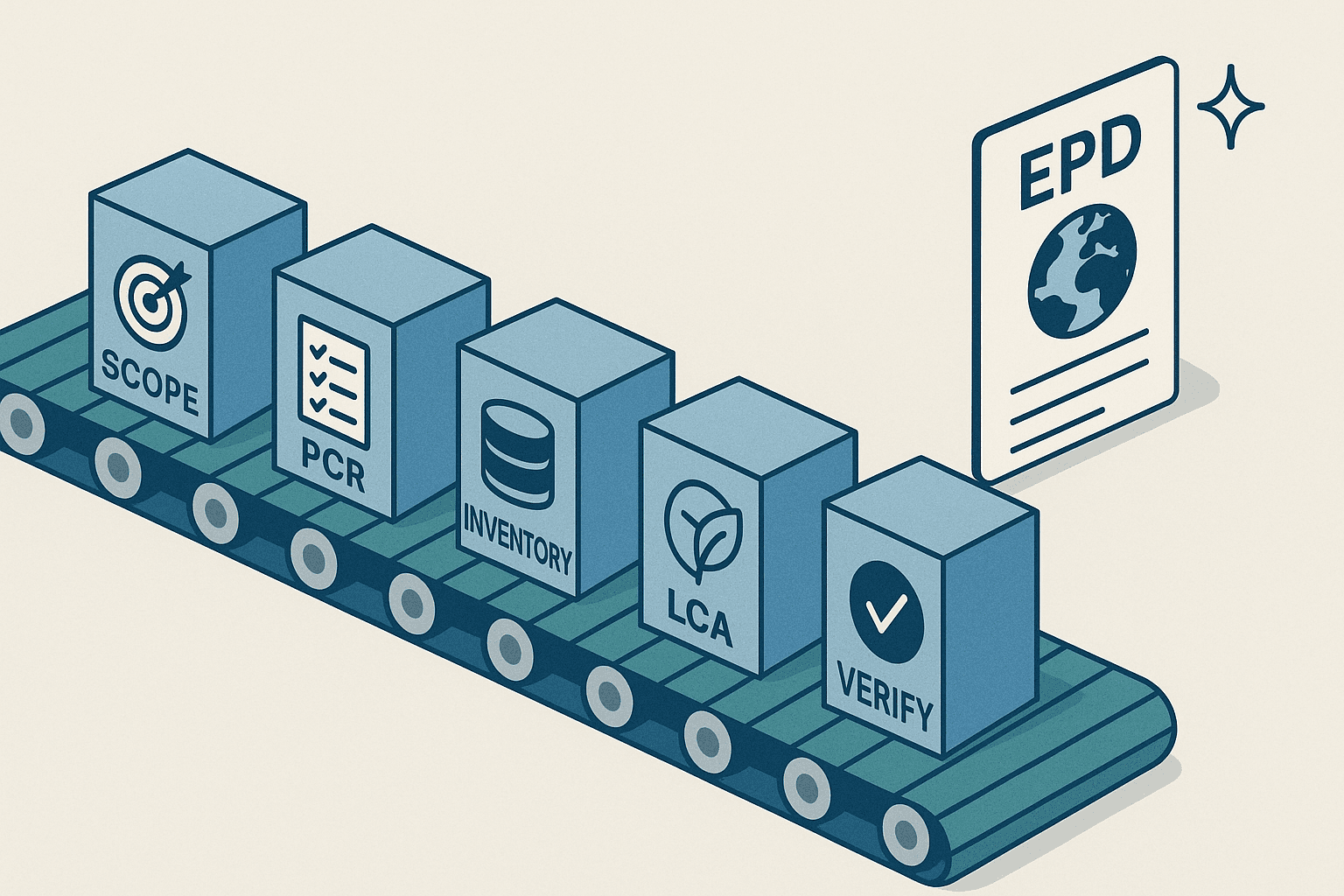
An EPD is not a glossy PDF. It is a standards‑based report built from a life cycle model that follows a Product Category Rule, then gets third‑party verified and published with a program operator. Think of the PCR as the rulebook of Monopoly. Ignore it and the game falls apart. Good software keeps the rulebook open, guides data entry, locks impact methods to EN 15804 or ISO 14025 families, and exports exactly what verifiers expect.
The core stack, simplified
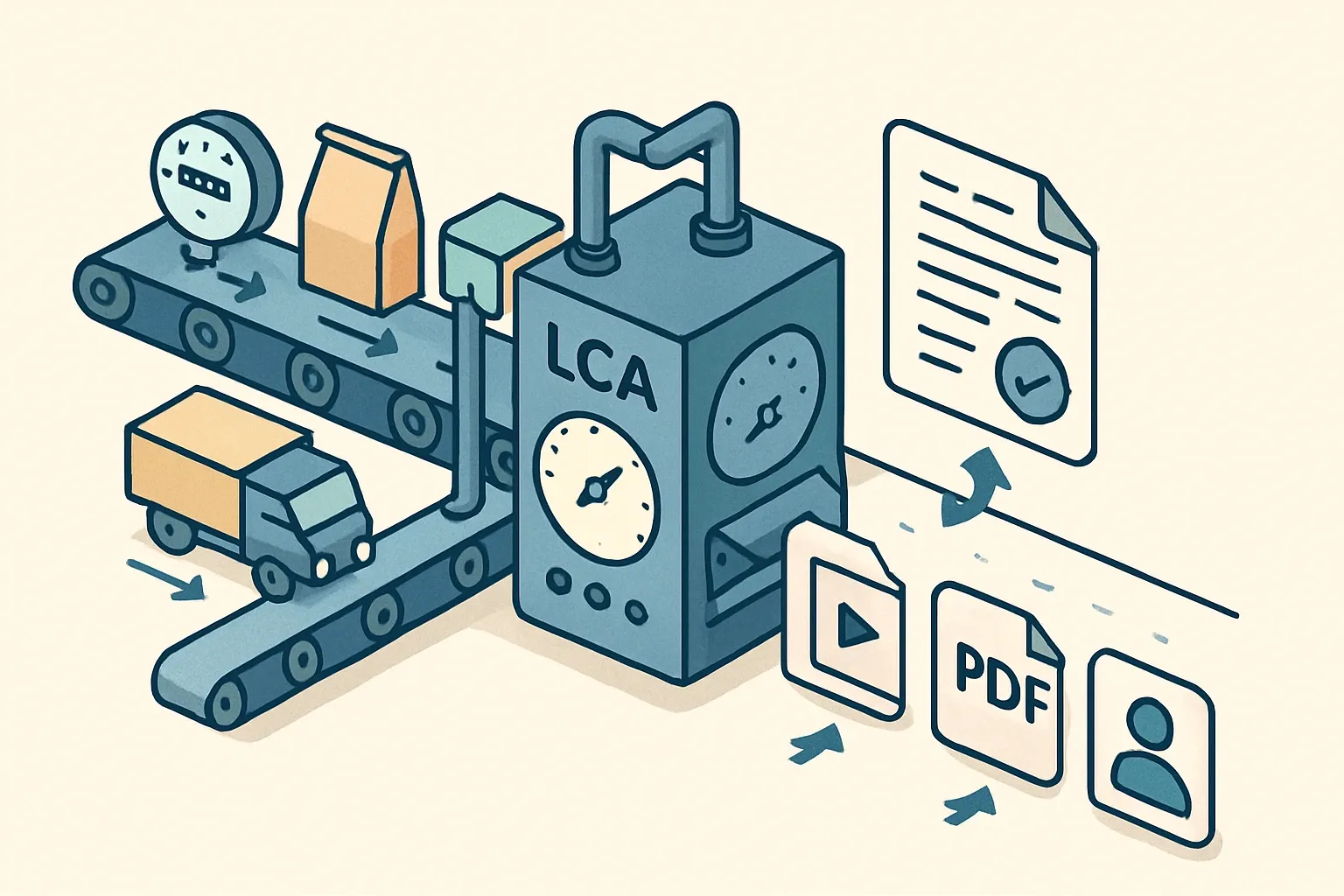
You will use three building blocks most of the time. A modeling engine that handles unit processes and background datasets. A data intake layer that pulls meters, recipes, BOMs, and waste streams from plants without chaos. An EPD compiler that formats results to the operator’s template and digital schema. When those blocks live in one platform, handoffs shrink. When they do not, plan for version control and change logs that a verifier can follow.
Three archetypes in today’s market
Some tools are generalist LCA workbenches that do everything with unlimited flexibility. Powerful, but teams can drown in degrees of freedom. Others are EPD compilers offered by program operators or their partners, tuned to a specific template and process. Fast for straightforward products, less ideal when you need plant‑level scenarios or custom allocation. A third group offers product‑specific configurators for narrow categories. These shine for high volume families, yet can struggle once your portfolio changes chemistry or scale.
Timelines and validity are set by rules, not vibes
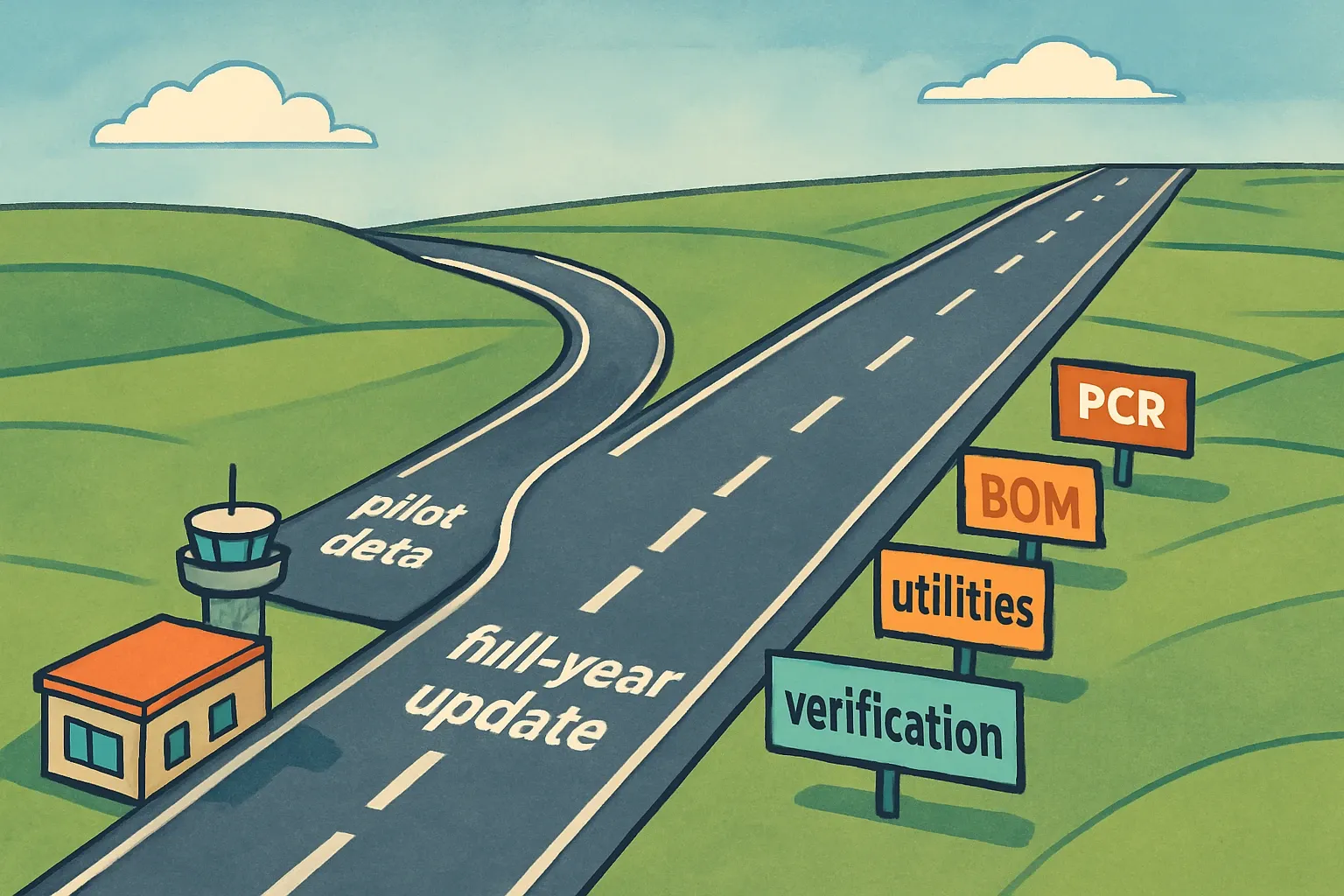
Most operators state EPD validity is five years, subject to update if impacts shift materially during that window (EPD International, 2025). citeturn3search0 PCRs themselves carry shelf lives, commonly three to five years with a default of four, which affects which methods and indicators your software must support at modeling time (EPD International, 2025). citeturn3search8 In 2025, the construction PCR transition created real deadlines and longer publication queues for a few months, a reminder that your stack must handle version changes cleanly (EPD International, 2025). citeturn3search3turn3search6
Where your EPD lands matters
Publishing is not one destination. In the United States many teams choose Smart EPD among others. In Europe many choose IBU or the International EPD System. Software should export cleanly to operator templates and digital schemas like ILCD+EPD and ECO Platform formats. If you sell in France, check whether your outputs can feed INIES, which listed more than 5,000 FDES and 1,700 PEP by late 2025 and publishes running totals on its homepage (INIES, 2025). citeturn2search1turn2search2
Want to streamline your EPD process?
Follow us on LinkedIn for actionable insights that help you win tenders and unlock new markets.
Data intake is the make‑or‑break step
Great modeling cannot rescue missing utilities, batch yields, or scrap. Look for software that offers intake workflows plant teams will actually use. Think CSV guards that flag unit mismatches, mapping for ERP and MES exports, meter importers, supplier requests that capture alloys and additives with lot traceability, and reference year locking. White‑glove data collection paired with the platform often removes weeks of back‑and‑forth so R&D and ops can keep making product instead of chasing spreadsheets.
Indicators and methods that match your markets
For EN 15804 work you need A1 to A3 at minimum, with options for A4 to C4 and module D. After the A2 update, indicator sets expanded and are not back‑comparable with A1 outputs. Your tool should prevent mixing methods and clearly label units and characterization models. For North America, make sure electricity factors reflect current regional inventories and that updates are documented inside the model, not buried in email.
Verification, but streamlined
Verifiers read the background report before they read your marketing copy. Software should generate a complete, consistent report, show allocation rules for by‑products, and present sensitivity checks. Operators like IBU and the International EPD System expect that flow and confirm five‑year validity on approved EPDs, which your model should reflect in metadata and dates (IBU, 2025). citeturn3search7
Buying criteria when people search for “best LCA software for EPD”
Here is how manufacturers separate signal from noise once they shortlist vendors.
- Proof your category is supported with the right PCR, plus an upgrade path when the PCR changes. Bonus if the tool warns you when a PCR sunset looms.
- Multi‑plant modeling with shared recipes and site‑specific utilities so you can publish one EPD with variants or a family with parametric rules.
- Strong intake UX, audit trails, and roles for operations, quality, sustainability, and legal. If intake is clunky, projects stall.
- Clean exports to your operator of choice, including Smart EPD and IBU, and digital schemas your customers’ tools read. The fewer manual edits, the faster it ships.
- Scenarioing for energy mixes, secondary material content, and transport so commercial teams can answer “what if” questions that move a spec.
- Change management that compares versions and locks the reference year. Renewals are smoother when last year’s truth is one click away.
How LEED v5 shifts the conversation
LEED v5 was ratified on March 28, 2025, and continues to evolve through addenda and calculators. Teams should expect steady alignment pressure on data quality, product transparency, and carbon accounting that favors verified product‑specific EPDs. Software that tracks credit calculators and keeps methods current reduces rework later (USGBC, 2025). citeturn0search0turn0search3turn0search1
Cost thinking that does not leave money on the table
Sticker prices are only part of the story. The real cost sits in staff time, delays, and rework when data is missing or a PCR change catches the team off guard. Many manufacturers get a faster, cleaner outcome with software that comes with a done‑for‑you data team. That frees product managers, process engineers, and plant leads to focus on operations while the LCA work moves forward. One mid‑sized project win often covers the entire EPD effort, and then some, which is why speed and completeness beat bare software features.
Final checks before you sign
Ask for a live demo using a redacted data pack from your own product. Confirm the operator export, the background report, and the digital EPD file validate without edits. Set service‑level targets for response times during crunch weeks. Make sure the vendor can publish with multiple operators so you stay flexible by market. If any of that feels brittle, it probably is. Choose the platform that helps you publish quickly, renew on time, and answer specifier questions without a scramble. That is the real "best LCA tool for EPD" test, plain and simple. And yes, get it in writing, not in a slide, teh end.