BCBF in a nutshell
Washington’s 2024 Buy Clean Buy Fair law turns embodied‑carbon and labor transparency into standard paperwork for state building projects. Covered products are structural concrete, reinforcing steel, structural steel, and engineered wood as defined in statute (HB 1282, 2024). The state keeps building the public reporting database initiated in the pilot and will publish GWP values from submitted EPDs (HB 1282, 2024).
What the reporting database captures
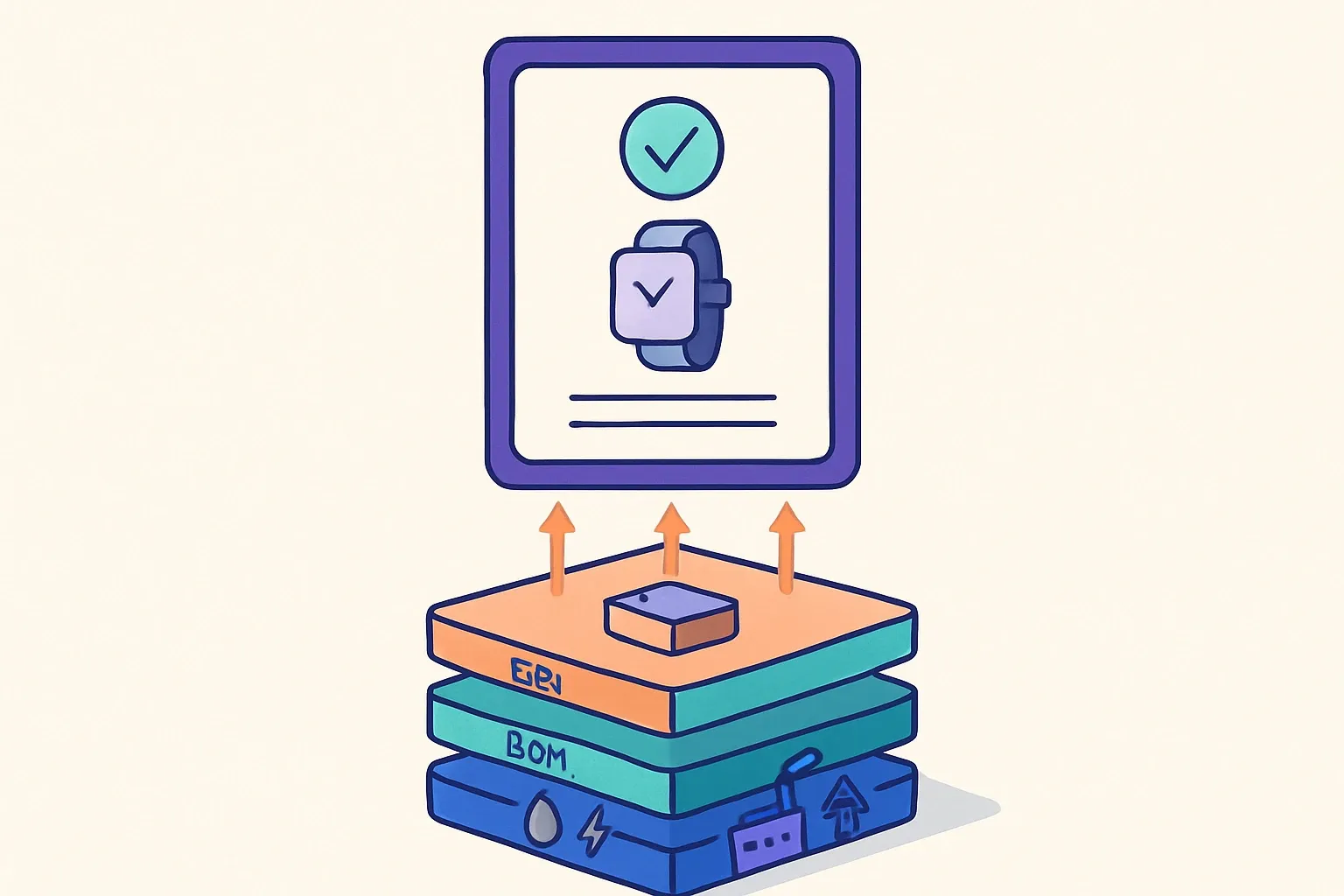
Think of the database like a customs checkpoint for materials. For each covered product on a covered project, teams submit quantity, a current EPD, manufacturer location, any HPD, supplier code of conduct, and requested facility working‑conditions data. Engineered wood must also provide wood‑sourcing information if the EPD doesn’t include it (HB 1282, 2024).
Pilot roots, practical lessons
Before the law, the Legislature funded a pilot run by the University of Washington’s Carbon Leadership Forum. It built a prototype database and tested reporting on five state projects, surfacing what was easy, what broke, and what manufacturers needed earlier in the bid cycle (CLF, 2022). That dry‑run directly shaped the current reporting requirements.
Key dates and thresholds you cannot miss
Projects over 100,000 square feet have reporting requirements in contracts executed on or after July 1, 2024, then all covered projects follow from July 1, 2026 (HB 1282, 2024). Teams must report at least 90 percent of the cost of each covered product category on the project (HB 1282, 2024). A work group must deliver additional policy recommendations and database improvements by September 1, 2025 (1282 Senate Bill Report, 2024).
Are your EPDs ready for “supply‑chain specific”?
The law defines EPDs as supply‑chain specific with primary data covering processes that drive at least 70 percent of cradle‑to‑gate GWP, and it wants the percent of primary data reported (HB 1282, 2024). Facility‑average EPDs that skip upstream hotspots will trigger questions. Treat this like switching from a selfie filter to studio lighting.
Navigating new environmental regulations affecting your bids?
Follow us on LinkedIn for updates that keep you compliant and competitive in today's market.
What counts as a covered project
Covered projects are new construction over 50,000 square feet and major renovations over 50,000 square feet where costs exceed 50 percent of assessed value (HB 1282, 2024). If you supply concrete, rebar, steel sections or plate, CLT or glulam, you are on the hook. That means product documentation needs to be complete on day one, not week eight.
Why this matters commercially
On BCBF projects, a current, comparable EPD moves from nice‑to‑have to bid prerequisite. Without it, teams must rely on worse‑case assumptions that make your product look heavier on carbon, which quietly pushes you out of contention. One well‑timed EPD can win the one project that pays for the whole exercise many times over.
How to prepare with less chaos
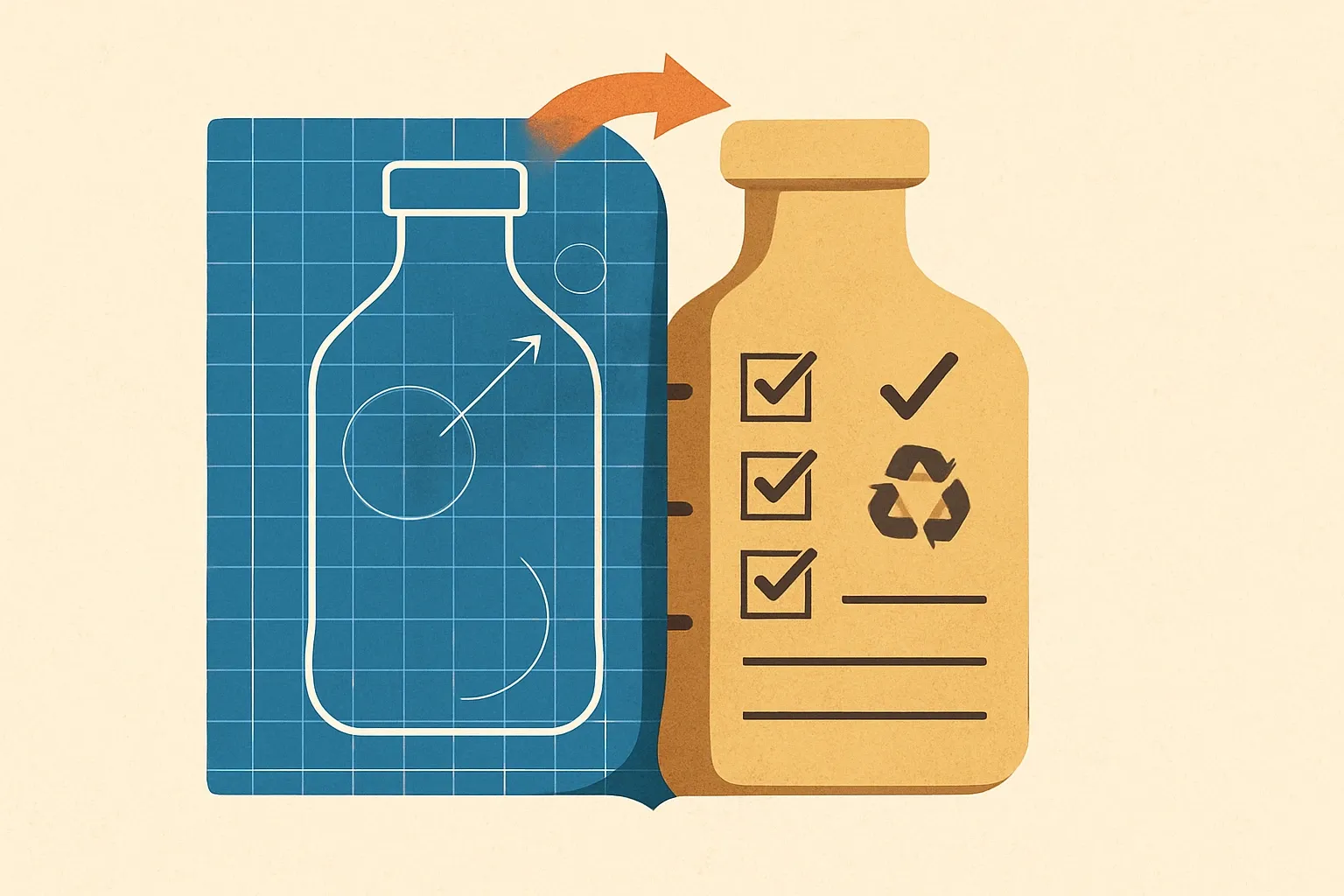
Start by mapping your bill of materials to the covered categories and their PCRs. Confirm the functional unit and declared unit align with your competitors so your EPDs are apples‑to‑apples, not apples‑to‑mystery. Pick an LCA partner who will actually collect utility bills, production data, and upstream inputs for you, not email you a spreadsheet and wish you luck.
Concrete, steel, wood nuances worth noting
Performance‑based concrete specs are encouraged for state work, so have mix submittals aligned with your EPD’s declared strength class and curing assumptions (HB 1282, 2024). For steel, ensure melt and fabrication locations are traceable to support facility questions. For engineered wood, line up chain‑of‑custody facts so wood sourcing can be reported without a fire drill (HB 1282, 2024).
What the pilot signals about the live database
The pilot showed that simple, consistent fields beat sprawling forms and that bulk uploads reduce contractor friction. Expect the production system to keep publishing GWP number values from EPDs and to standardize quantity reporting, exactly as the statute directs (HB 1282, 2024). It’s not flashy, but it’s decisive.
Quick reality check on capacity and funding
Commerce can provide financial assistance to small businesses to offset EPD costs, subject to appropriation, which helps level the playing field (HB 1282, 2024). Reliable statewide counts of funded awards are not public yet, so don’t bank on a grant to hit a bid date. Get your data house in order now, not later.
The move that keeps you in every shortlist
Treat BCBF as a standing operating procedure, not a special request. Build an internal folder that pairs each SKU with its current EPD and HPD, plus a 1‑page facility fact sheet that answers the database prompts. Do this once, keep it current, and watch submittals shrink from days to hours. It’s definately worth it.
Fast wrap
Washington’s rulebook is clear enough to act on and the database is built to reward organized suppliers. If you can hand over clean, supply‑chain‑specific EPDs and the few extra workforce datapoints, you’ll glide through compliance while rivals are still hunting for last year’s PDFs. That is how you win the spec and keep it.