What changed, in plain English
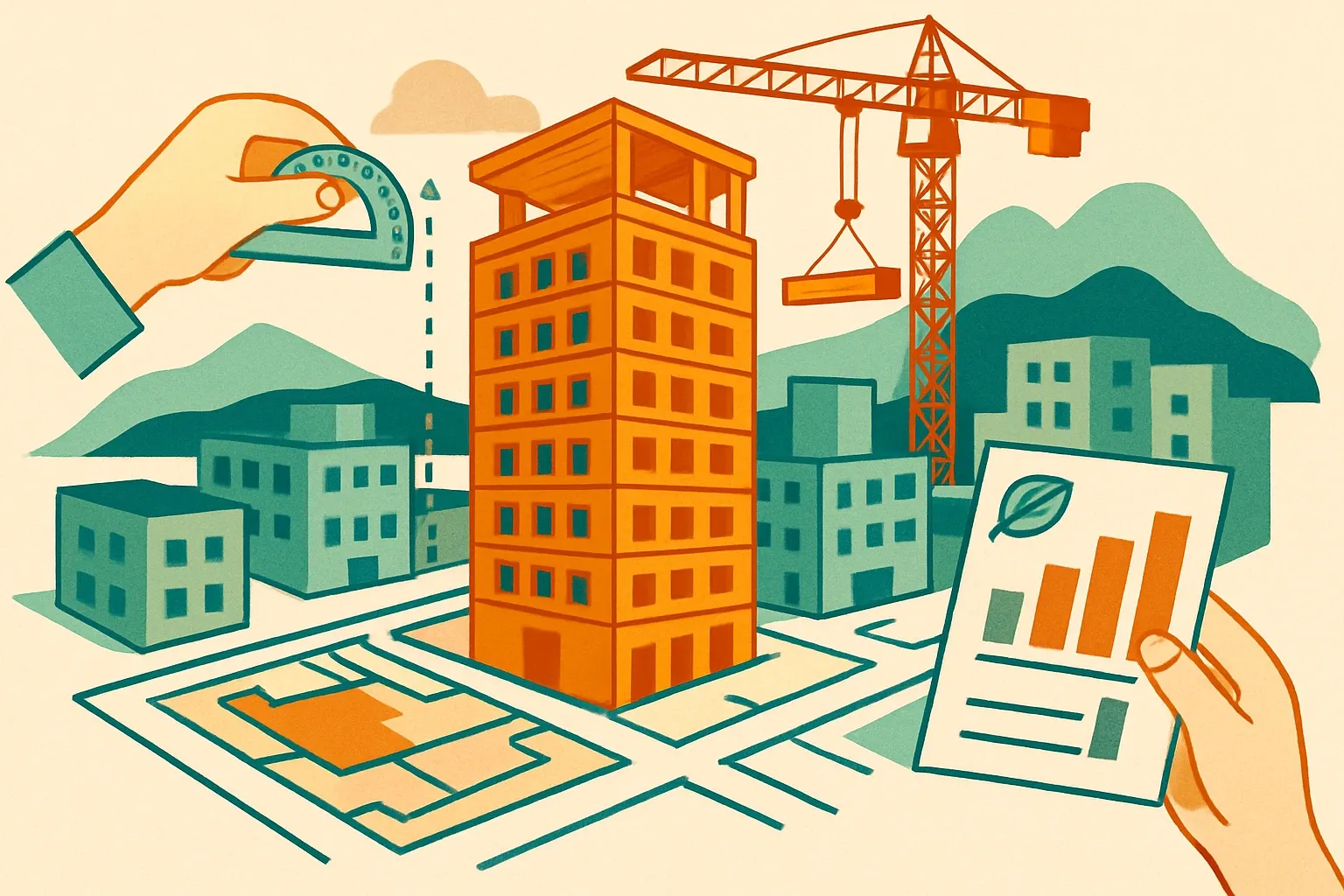
Vancouver added a rezoning incentive that grants extra height and floor area when a project commits to mass timber. Sites that allow eight to eleven storeys can add two more, and sites that allow twelve or more can add three more, subject to plan policies and usual constraints like view cones and shadowing (City of Vancouver, 2024) (City of Vancouver, 2024). The City also signalled more permissive height in the Zoning and Development By-law to support tall mass timber uptake (City of Vancouver, 2024).
The provincial backdrop matters
British Columbia updated the BC Building Code so Encapsulated Mass Timber Construction can reach up to 18 storeys for residential and office uses, and expanded EMTC to schools, libraries, retail, light and medium industrial, and care facilities (BC Gov News, 2024) (BC Gov News, 2024). Zoning sets the outer shape, building code sets the how. When both align, approvals move faster and design teams lock in wood earlier.
Where By-law No. 3575 fits
By-law 3575 is the City’s zoning rulebook. It defines use, height and density by district, and it is the document Council amended to activate the mass timber incentives. Think of it as the board edges of the game, while the Building By-law is the stack of instruction cards.
What counts as “mass timber” here
The City’s language references structural systems using engineered wood panels and members like CLT and glulam, often prefabricated and assembled quickly on site. This is not decorative cladding, it is the primary structure that can carry the building.
Why this flips the commercial math for suppliers
Extra storeys and added floor area mean more saleable program on the same parcel. That improves the odds a developer chooses mass timber as the base structure, which pushes specifiers to shortlist products with clean, comparable EPDs. The City also anchors its climate plan to cut embodied carbon from construction materials by 40 percent by 2030 from 2018 levels, and notes mass timber can reduce embodied emissions by roughly 25 to 45 percent versus typical concrete buildings (City of Vancouver, 2024) (City of Vancouver, 2024). Teams will ask for declarations that show the delta clearly.
Want to capitalize on Vancouver's mass timber opportunities?
Follow us on LinkedIn for insights on how to leverage EPDs to win more specifications and boost your ROI.
EPDs that actually help win Vancouver work
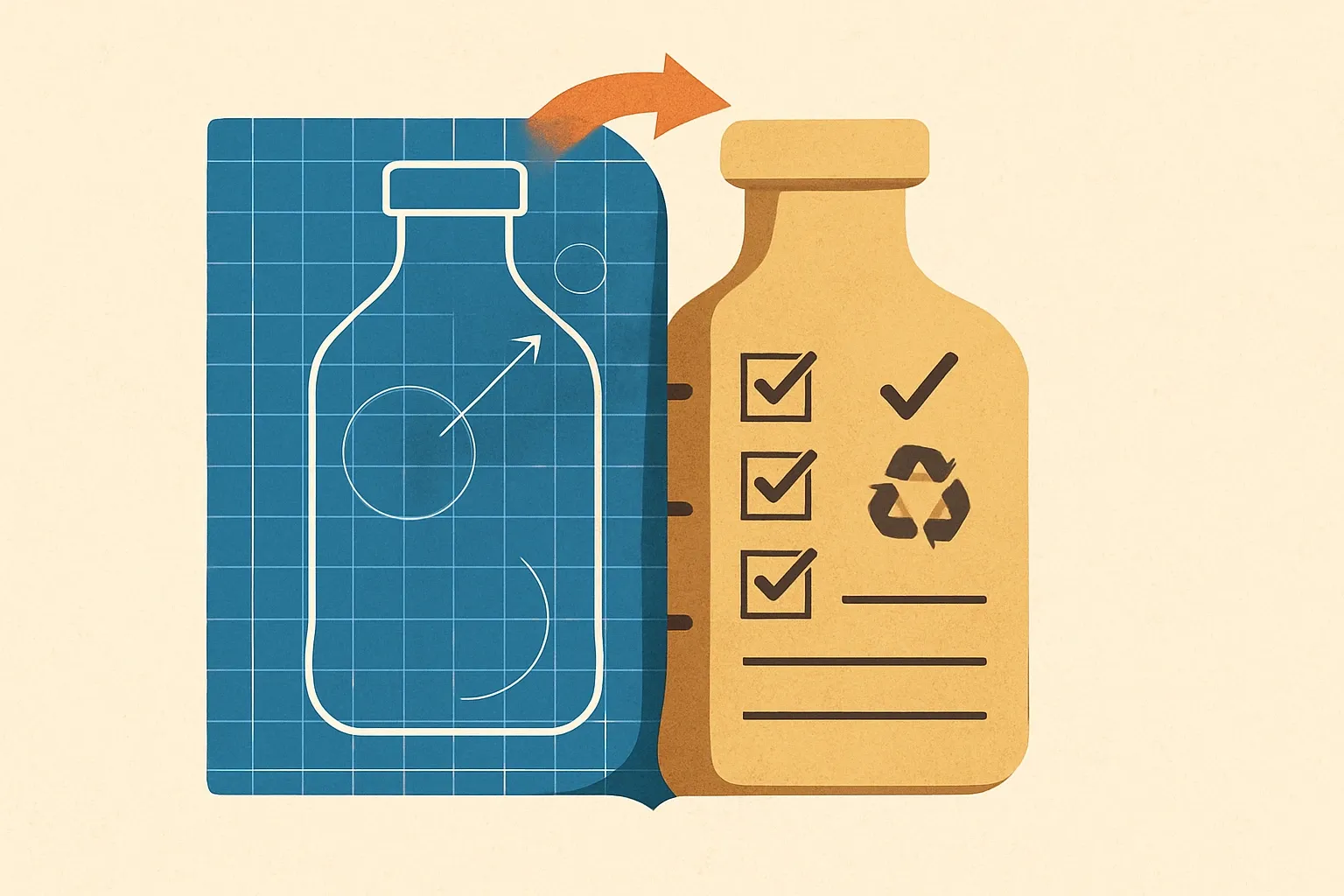
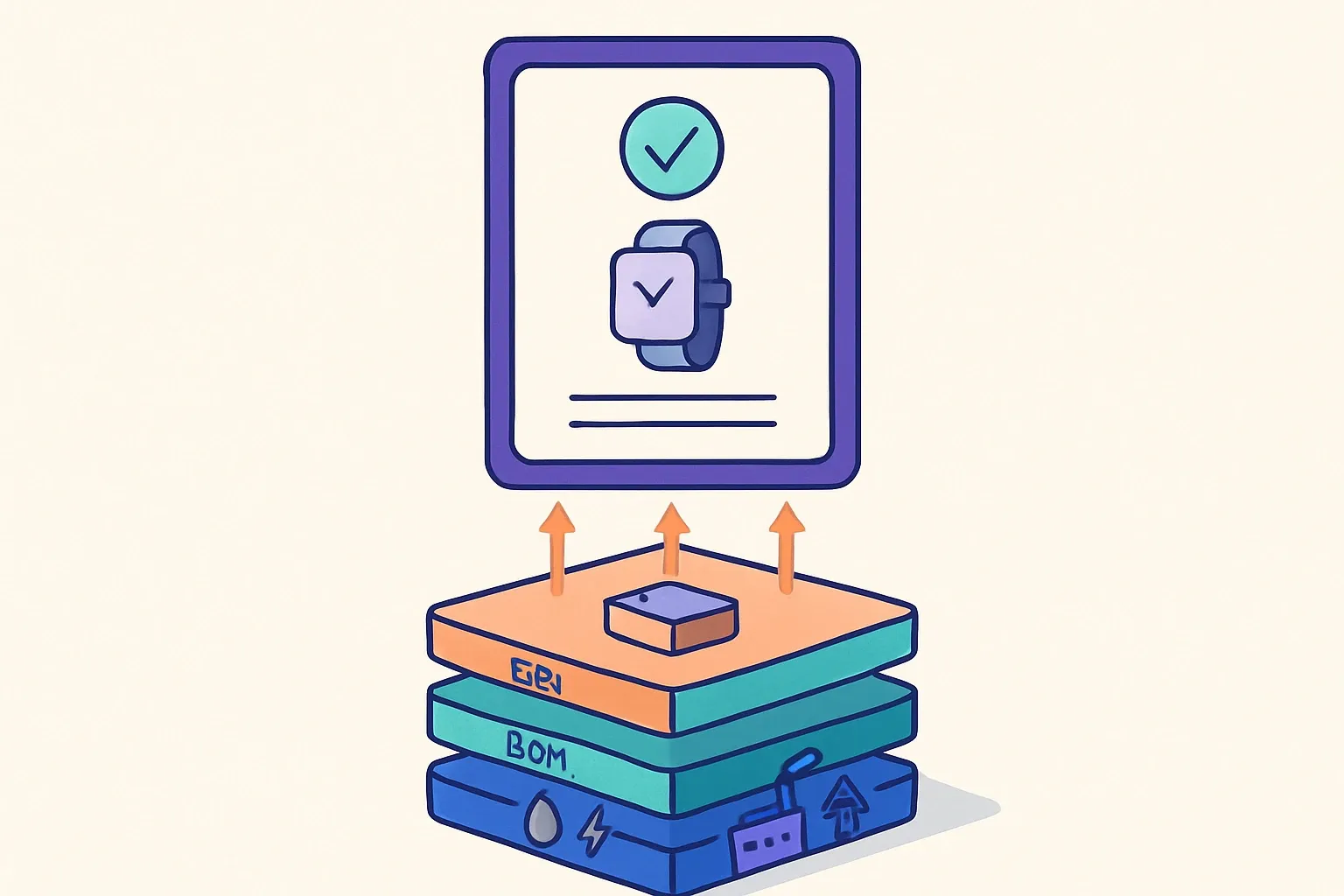
An EPD is only persuasive if it is easy to use and clearly within the right Product Category Rule. The PCR is the rulebook of Monopoly, ignore it and the game falls apart. Ask your LCA partner to map competitor PCRs, program operators common to Canadian projects, and renewal timing so your declarations remain usable through the design window.
Data capture without stalling your plant
Collect utility and production data for a recent reference year, then verify supplier inputs that swing results like resin, adhesives, and transport legs. If the product is new, a prospective EPD can start with a smaller data window, then be refreshed after twelve months. The key is removing perimts friction so commercial teams can submit early.
Help owners and GCs do the math fast
Package your EPDs with one‑page cut sheets that call out GWP clearly and note any carbon hot spots you have already addressed. Offer takeoff-ready quantities for common spans and grids. When submittals read like a playlist, reviewers stop hunting and start specifying.
Risk, timing, and what to watch
The incentives do not override view cones, sunlight on parks, or heritage priorities, and some districts set their own caps. The City invites pre‑application meetings to confirm mass timber feasibility before teams invest deeply, use that early signal to plan EPD scope and timing alongside design milestones (City of Vancouver, 2024).
Quick playbook for manufacturers
- Confirm your product lineup aligns with EMTC pathways allowed in BC, including connectors and fire protection interfaces (BC Gov News, 2024).
- Select the PCR used by most competitors, and pick a program operator your targets already trust.
- Stand up a clean data pull across utilities, production volumes, resin and fiber sourcing, and logistics.
- Publish product‑specific EPDs first for your highest volume SKUs, then expand.
- Equip sales with spec‑ready EPD packets for Vancouver zones that benefit most from height and floor area incentives.
The upshot for your next spec
Zoning opened the door, the building code widened the hallway, and mass timber now has room to run. Manufacturers who pair credible EPDs with fast, low‑effort data collection will meet the moment while others are still looking for the starting line.