SB 1207 in one minute
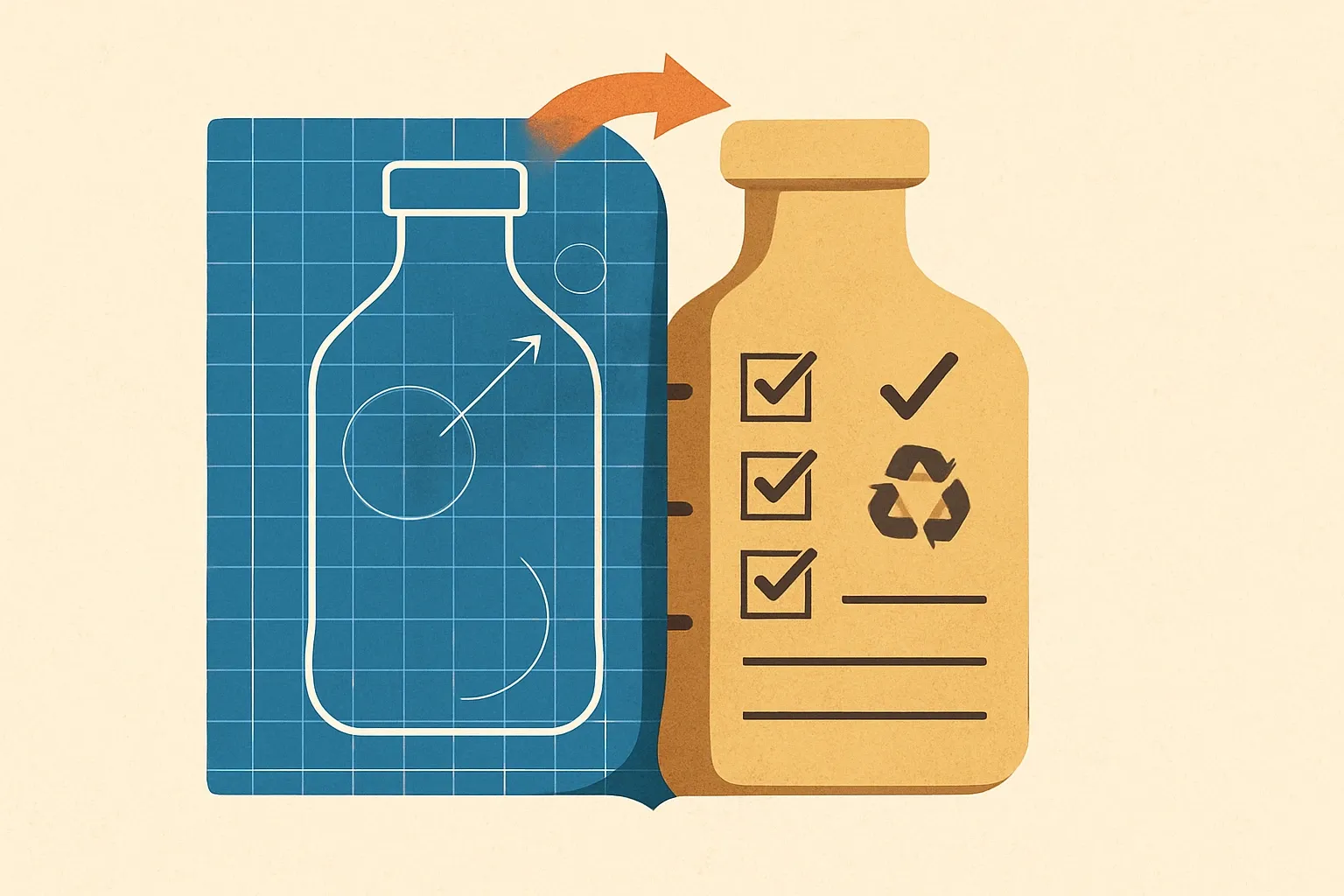
SB 1207 became law on September 20, 2024. It replaces the narrow term “mineral wool board insulation” with the broader “insulation,” keeping mineral wool rules in place while the Department of General Services defines added subcategories during 2025 (LegiScan, 2024) (LegiScan, 2024).
Today’s eligible materials
As of 2025 the Buy Clean California Act covers structural steel, concrete reinforcing steel, flat glass, and insulation. DGS posted updated maximum GWP limits effective January 1, 2025. Examples: rebar 755 kg CO2e per metric ton, hot‑rolled structural sections 1,010 kg CO2e per metric ton, flat glass 1,430 kg CO2e per metric ton, light‑density mineral wool board 2.68 kg CO2e per m² at RSI 1 (DGS, 2025) (DGS, 2025).
EPDs that pass review
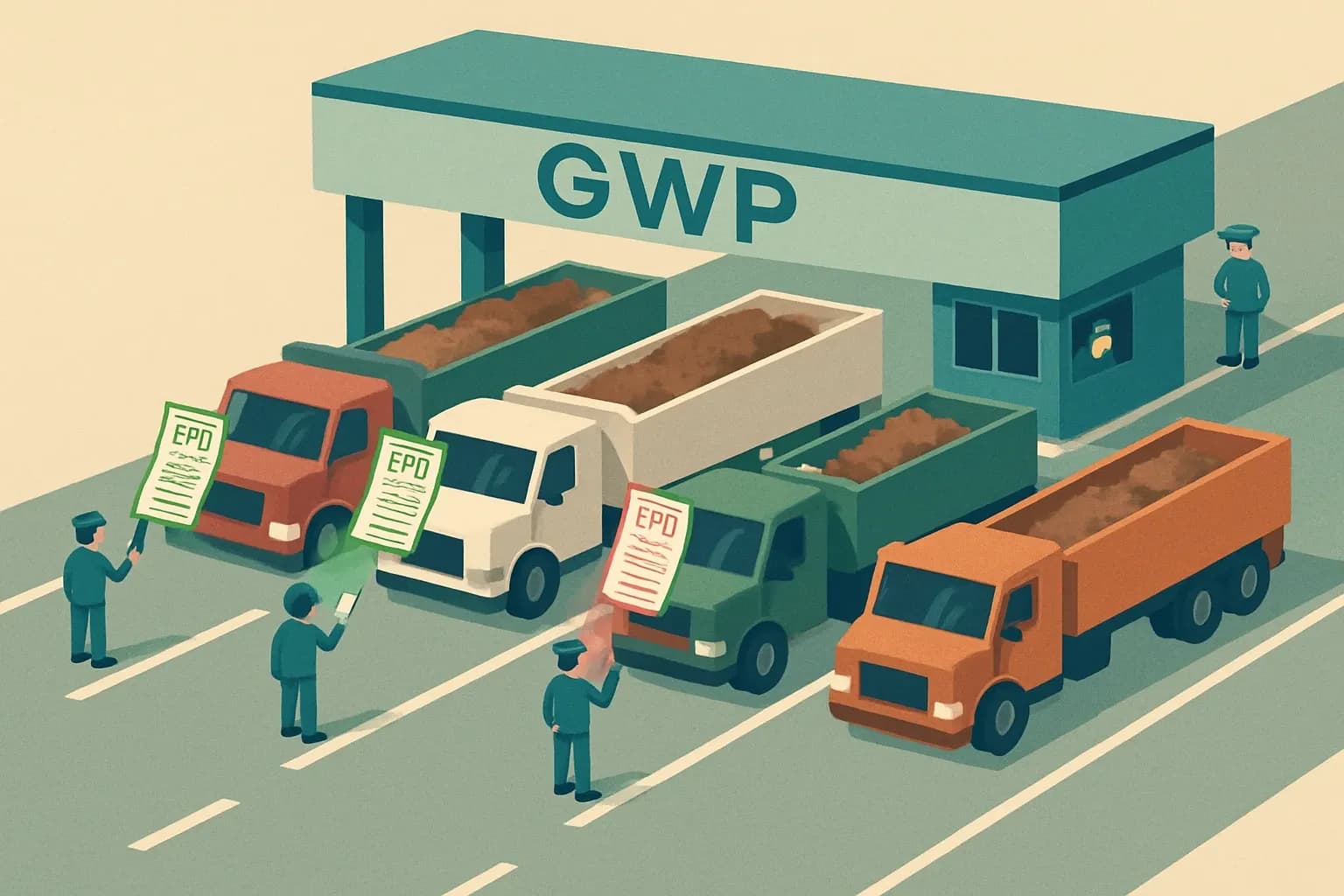
Awarding authorities look for facility‑specific, third‑party verified Type III EPDs that follow an applicable PCR and are valid at installation. Industry‑average, company‑wide, or fabricator EPDs do not qualify under BCCA rules (DGS, 2025) (DGS, 2025). Treat the PCR like the rulebook of Monopoly. Ignore it and the game falls apart.
How limits are applied in practice
DGS evaluates unfabricated product EPDs using cradle‑to‑gate A1 to A3. If an EPD reports a fabricated product, reviewers compare the A1 module against separate fabricated product limits that DGS now publishes to avoid back‑of‑napkin conversions, effective for 2025 reviews (DGS, 2025).
Are you prepared for the latest environmental regulations?
Follow us on LinkedIn for updates that help you stay compliant and competitive in your bids.
Where the rules bite
For state projects managed by DGS Real Estate Services Division, EPDs are required on eligible materials for contracts awarded on or after July 1, 2022. Materials that exceed the posted GWP ceiling are rejected and may have to be removed if installed before acceptance, which gets expensive fast (DGS RESD, 2025) (DGS RESD, 2025). The University of California adds its own thresholds. UC requires EPDs for eligible materials on construction contracts of 1,000,000 dollars and above, with campus exemptions handled through UCOP and a de minimis screen at 25,000 dollars per covered product cost category (UCOP, 2025) (UCOP, 2025).
Insulation, broadened and evolving
SB 1207’s shift from mineral wool board to the umbrella term “insulation” means new subcategories will join the roster. DGS has said the mineral wool limits remain in force for that material, with additional insulation categories to be named during 2025. Teams selling foams or other boards should plan for category‑specific limits to appear, then align new or renewed EPDs to those scopes on the next publication cycle (DGS, 2025).
What manufacturers should do this quarter
Think tournament seeding. Show up with the right stats and you play. Show up without them and you watch. Move on three tracks:
- Confirm your product family is in scope. If it is steel, rebar, flat glass, or insulation, assume BCCA applies on state work now. Check the posted 2025 ceilings against your current EPD values and margins to limit.
- Build or refresh facility‑specific EPDs that match the correct PCR and reporting modules. Aim for unfabricated A1 to A3, or A1 if the EPD is fabricated, so reviewers can compare apples to apples (DGS, 2025).
- Monitor insulation subcategory updates through 2025 and be ready to adjust declared units or scope when DGS posts them. Faster data collection means you publish sooner and keep bids moving.
Edge cases and exemptions, briefly
BCCA has statutory exemptions, but they are narrow and require documentation by the awarding authority. UC’s program recognizes technical infeasibility, significant cost, time delay, sole source, and emergency, with UC‑specific forms and review. Note that UC’s 25,000 dollar de minimis screen is a university policy, not a blanket rule for all state agencies (UCOP, 2025). If a PCR does not exist for a niche product, say so plainly and set a watch on new PCR work rather than forcing a poor fit.
Commercial takeaway
Winning California public work now hinges on facility‑specific EPDs that clear posted GWP ceilings. Without them, teams are locked out before price even enters the chat. The cost to produce an EPD is quickly eclipsed by a single mid‑sized award, but reliable cost averages vary by scope, so blanket figures are not credible. The fastest path is ruthless data collection, clean PCR alignment, and early checks against the 2025 limits. Miss those and the bid clock keeps ticking, which is never fun when the spec window is short.