What Section 915.07.D does
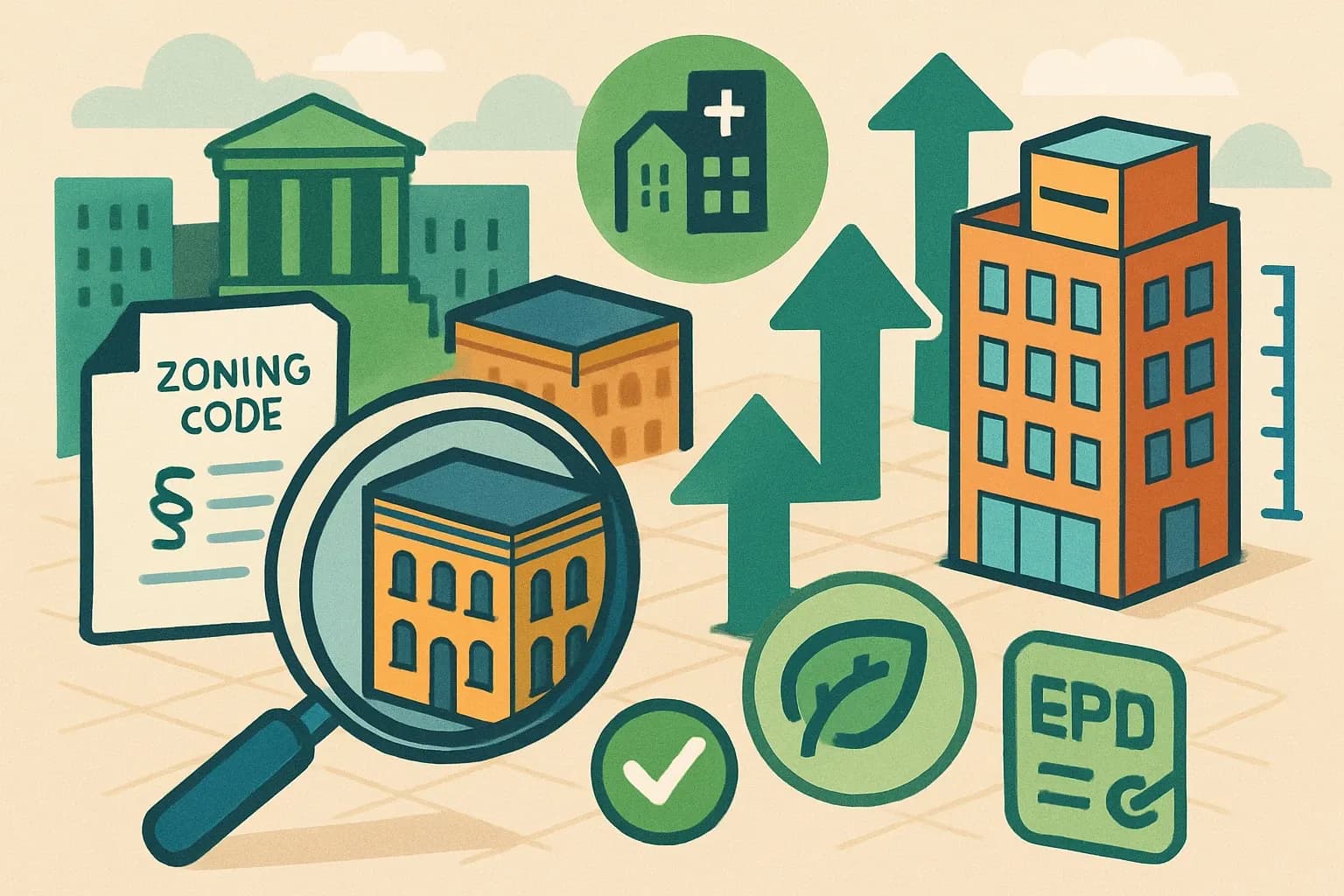
Pittsburgh’s Performance Points let projects trade documented public benefits for extra height. Each point can add up to fifteen feet of building height, within district caps (City of Pittsburgh Performance Point Process Guides, 2026) (City of Pittsburgh, 2026).
Where Building Reuse applies
The Building Reuse option is available in Urban Public Realm, Urban Center Employment, Residential Mixed Use, and Urban Center Mixed Use districts. In plain terms, many redevelopment corridors qualify. Points can be combined with other categories if the district allows it.
How many points reuse can earn
City legislation spells out the menu. One point for a new exterior that is compatible with nearby 50 year old structures. Two points for restoring at least 75 percent of street facing facades from structures older than 50 years and integrating them into the new project. Three points for restoring and retaining the existing building shell (City of Pittsburgh Legistar 2025‑1545, 2025) (Legistar, 2025).
Why manufacturers should care
Reuse shifts budgets toward interior systems, envelope upgrades, and site work where product choices decide embodied carbon. Deep retrofit can deliver roughly 50 to 75 percent less carbon than building the same area from scratch, a gap that helps owners hit portfolio targets and pick products that are documented, not just promised (World Economic Forum, 2024) (WEF, 2024).
Want to unlock commercial benefits in Pittsburgh's adaptive reuse market?
Follow us on LinkedIn for insights on how EPDs can help you win specs and meet carbon goals.
EPDs and LCAs in an adaptive‑reuse world
A reuse‑heavy project still buys a lot of new material. Structure repairs, MEP systems, roofing, insulation, finishes, glazing, coatings, adhesives. Product specific EPDs make those low carbon claims comparable and defensible in owner reviews, especially when city benchmarking and corporate carbon accounting sit in the same meeting. EPA’s 2025 guidance also recognizes salvaged and reused materials as substantially lower embodied greenhouse gas options, which raises the bar for new materials that join them.
What to prep as a manufacturer
Speed wins. A ready‑to‑publish EPD shortens the gap between a spec ask and a submittal package. A simple playbook helps:
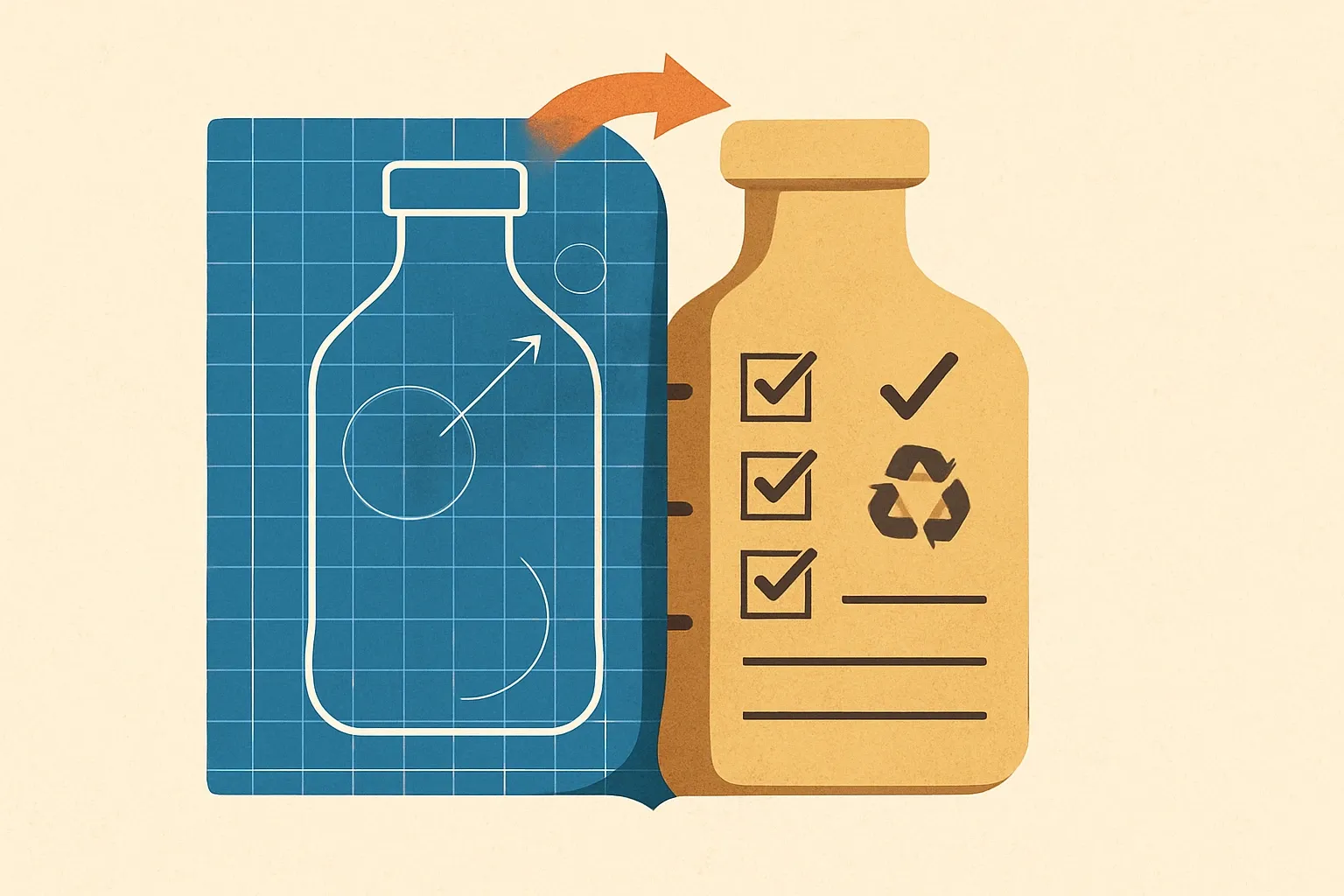
- Map an EPD pipeline for the SKUs most likely to land in reuse projects, starting with high mass or high volume items.
- Align on the PCR your competitors use so your results are comparable in bids.
- Lock a clean data year and centralize utility, transport, and waste figures before requests arrive.
- Work with a white glove LCA partner who manages data requests across plants and keeps your declarations audit‑ready.
How the paperwork moves in the city process
Performance Points are evaluated during the Zoning Development Review. Teams signal the intent in pre‑application, then submit documentation with the initial Zoning application in OneStopPGH. For Building Reuse, design drawings, narratives, and photo documentation usually carry the weight. Larger teams add LCA and EPD bundles to help owners and architects compare alternates without slowing submittals.
Commercial upside without greenwash
Points can translate to height. Height can translate to rentable area or a better massing. And cleaner specs move faster. If your products show verified impacts with EPDs, your line is easier to pick when owners chase carbon budgets and design teams balance historical character with performance. This work is definately more than marketing.
Bottom line for manufacturers
Pittsburgh’s Building Reuse points reward teams that keep what is already standing and make smart material swaps. Bring EPDs for the products that enter these projects and you turn a zoning incentive into a sales advantage while cutting embodied carbon in a way owners will notice.