HB 3409 in plain English
HB 3409 modernized the state climate commission, launched new funding streams, and authorized programs that touch transportation, buildings, and natural climate solutions. The Natural and Working Lands Fund received an initial ten million dollar appropriation in 2024 for nature based climate actions, with reporting in 2025 on where dollars went (Oregon Climate Action Commission, 2025).
Transportation got a push too. The new medium and heavy duty zero emissions vehicle rebate program is live, seeded with three million dollars. Those vehicles account for an estimated 9.3 million metric tons of greenhouse gases each year, about forty two percent of Oregon’s on road fleet emissions (Oregon DEQ MHD ZEV Rebate, 2024).
Where embodied carbon shows up
The legislature directed the Building Codes Division to explore options to cut emissions attributable to building materials under Section 7 of HB 3409. That is a clear policy door for embodied carbon to move from guidance into requirements over time.
Separately, the Low Embodied Carbon Housing program targets 940 new units across nine communities and projects a reduction of about 343,000 metric tons carbon dioxide equivalent by 2050. Applicants follow a DEQ approved pathway to reduce embodied carbon at least ten percent (Oregon DEQ Low Embodied Carbon Housing, 2025).
What this means for product manufacturers
Public owners and cities will ask for clean, consistent material data. Product specific, third party verified EPDs remain the most accepted passport for embodied carbon reporting on bids, addenda, and closeout. When codes and rebates push toward lower footprints, submitters without EPDs face conservative default assumptions that make products look worse on paper, which can stall or sink a spec.
Need to navigate new environmental regulations in Oregon?
Follow us on LinkedIn for insights that help you stay compliant and win more tenders.
2025 milestones worth watching
The state published its first Biennial Oregon Heat Pump Report on September 15, 2025, tracking progress toward a goal of 500,000 additional heat pumps in buildings by 2030. Big building energy moves keep embodied impacts in the spotlight because total carbon is what counts in the end (ODOE Biennial Heat Pump Report, 2025).
Natural and Working Lands funding is now under the Oregon Climate Action Commission with annual accountability updates that cite project types and investment levels (Oregon Climate Action Commission, 2025).
How EPDs plug into HB 3409 era submittals
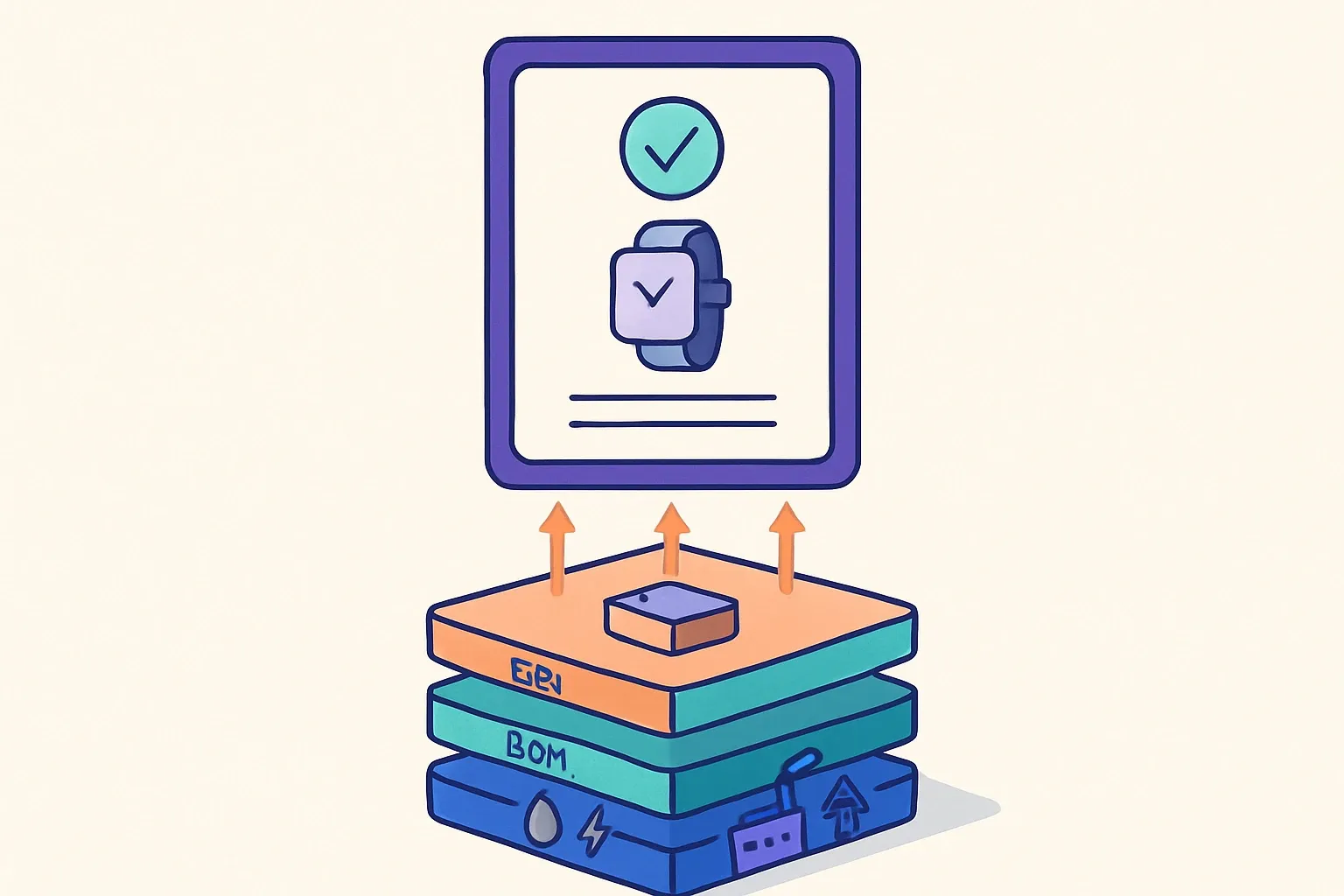
Think of the PCR as the rulebook and the EPD as your scorecard. Owners do not want guesswork. A current EPD gives design teams, code reviewers, and rebate administrators a verified number they can place into calculators without delay. Even an older but valid EPD usually clears review faster than a fresh sustainability one pager with no verification.
Pick program operators aligned with your market. In the US, Smart EPD is common. In Europe, IBU is frequent. What matters most is credible verification and a clean, complete dataset that matches how your product is actually made.
What to do in the next ninety days
- Map EPD coverage across your top revenue products, including expiration dates and the PCR each one uses.
- Confirm the Oregon relevant PCR choice matches competitors and the expected code or rebate pathway in your segment.
- Pull a one year reference dataset for each plant. Utilities, inbound materials, transport, scrap, and any onsite fuels.
- Queue renewals at least six months before EPD expiry so you never pause a bid. You will definately feel the gap if a submittal lands during a lapse.
- Pre assemble a standard Oregon submittal packet that pairs the EPD with mix designs, mill certs, and contact info for quick verification.
One funding wrinkle to keep in view
Federal climate dollars that once supported regional EPD work are uncertain in 2025. DEQ notes the 3.8 million dollars awarded by EPA for EPD development is under review and not yet contracted, so do not bank timelines on that stream (Oregon DEQ Embodied Carbon, 2025). State policy is still moving, which is why getting your own data house in order is the safer play.
The commercial takeaway
HB 3409 is a policy signal that Oregon procurement, codes, and incentive programs will reward low embodied carbon with documentation to match. EPD ready products shorten review cycles, keep you in specs when carbon accounting kicks in, and lower the chance of being swapped late in design. Invest in the boring plumbing of data collection and verification now. It pays off when the next RFP drops.