What “LEED Zero Energy” actually certifies
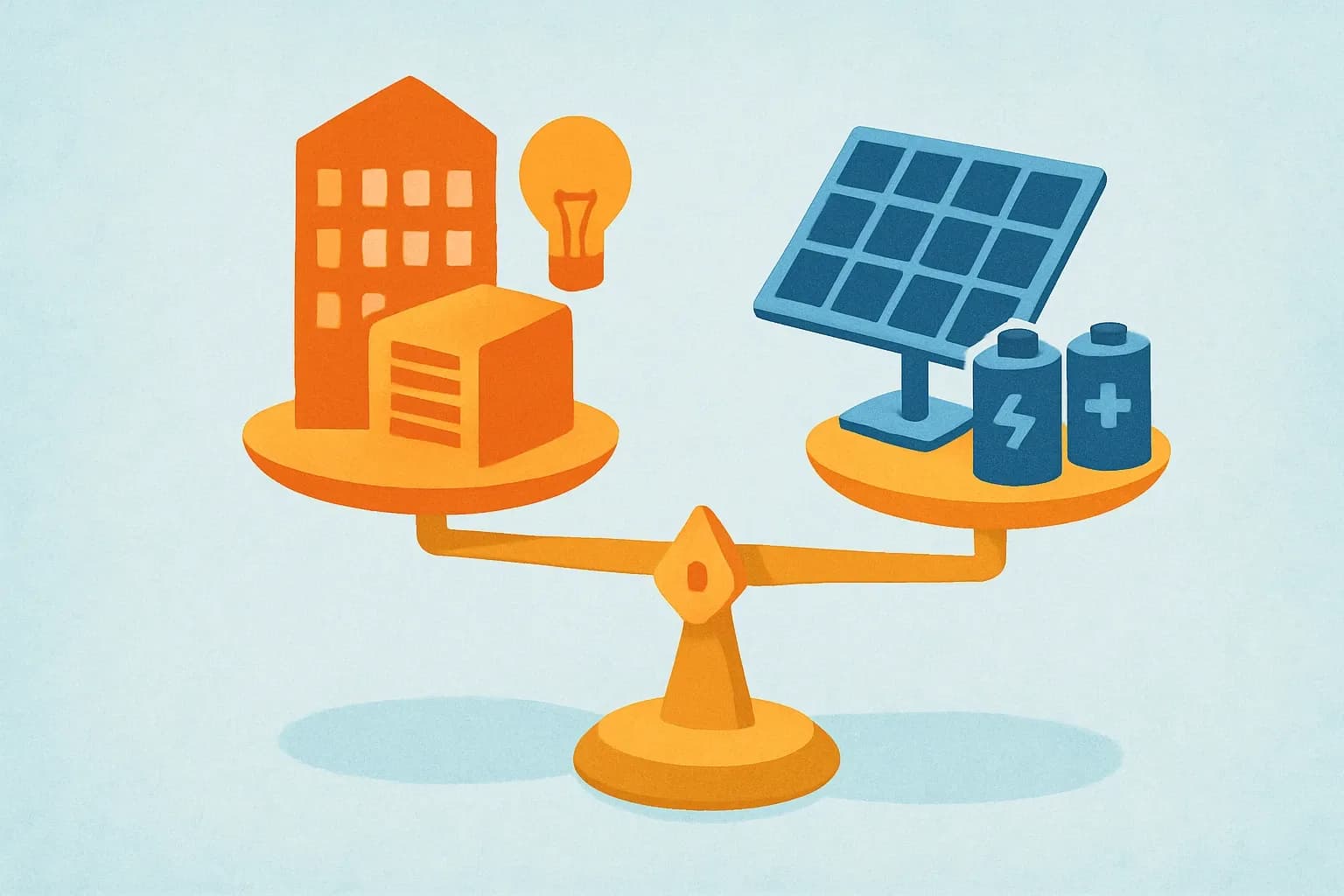
LEED Zero Energy recognizes projects that prove a source energy use balance of zero over 12 consecutive months, verified through LEED Online. Certification is valid for three years, so teams must keep performance on track beyond ribbon‑cuttings (USGBC, 2025). LEED Zero is part of a quartet with Zero Carbon, Zero Water, and Zero Waste, but the energy label is about metered performance, not design intent (USGBC, 2025).
How it differs from “net zero energy” claims
Plenty of buildings call themselves net zero based on models. LEED Zero Energy asks for actual utility data and a source energy balance, which accounts for generation and transmission factors. That is why clean on‑site generation, credible off‑site supply, and careful load management all matter more than glossy renderings.
Momentum check for 2025
USGBC reports more than 700 LEED Zero registrations and certifications across all categories, including 273 for LEED Zero Energy as of September 2025 (USGBC, 2025). In parallel, the grid is getting cleaner. Renewables supplied roughly one quarter of U.S. electricity in 2024 according to EIA’s Electric Power Monthly, making zero balances easier to reach with quality procurement and storage strategies (EIA, 2025).
Where manufacturers shape the zero balance
Think of the building like a streaming platform trying to avoid buffering. If your product smooths the spikes, the whole show plays flawlessly.
- Envelope and glazing that attack loads at the source through tested U‑factors, SHGC, air infiltration, and thermal bridging details.
- HVACR equipment with verified part‑load performance and control readiness so real‑world turndown matches the spec sheet.
- Lighting, sensors, and power distribution that rein in plug loads and deliver stable low‑energy baselines.
- On‑site renewables, mounting, and BIPV surfaces that physically fit the roof plan and wind/snow loads the engineer will sign.
Bring lab reports, third‑party certifications, and commissioning guidance. Busy design teams will not chase missing data.
Want to navigate LEED Zero Energy requirements smoothly?
Follow us on LinkedIn for updates that help you stay compliant and win more projects.
EPDs still matter in an energy‑first pursuit
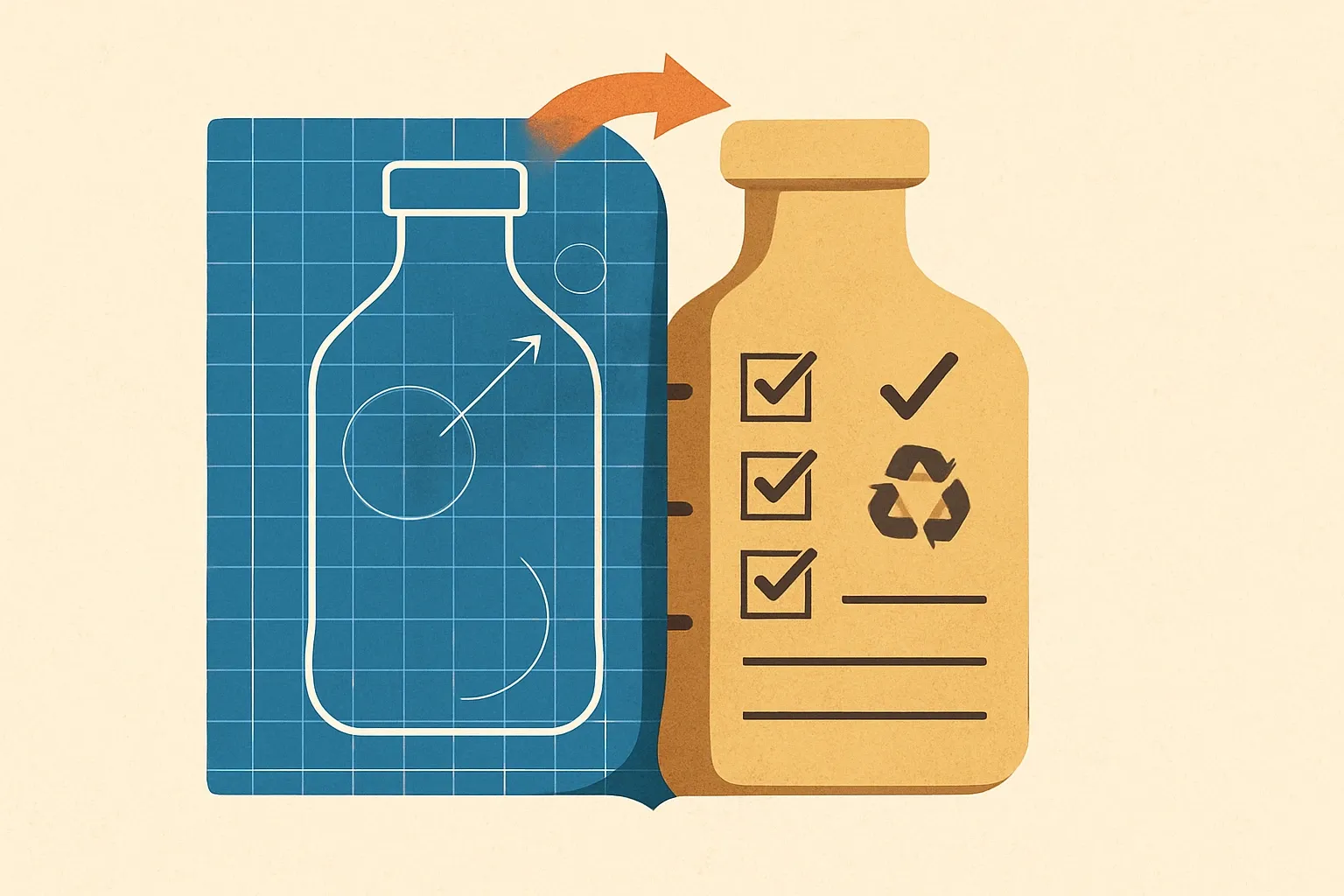
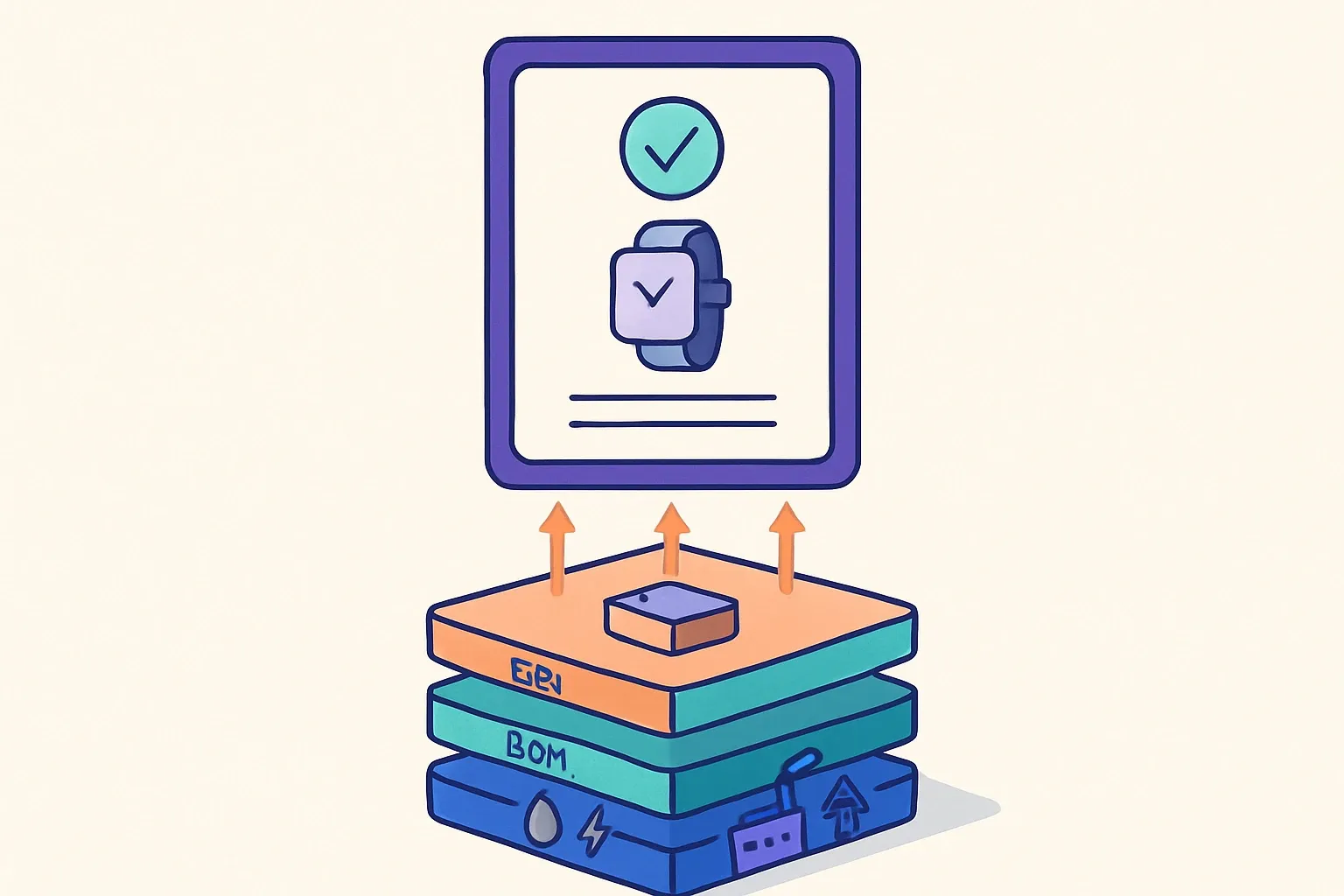
Zero operational energy does not erase embodied carbon from materials. LEED rewards product transparency and lower embodied impacts through EPD‑based credits, and LEED v5 continues to elevate performance and disclosure. When a project sets both zero energy and carbon budgets, a product‑specific, third‑party verified EPD prevents conservative default values that can push a specifier toward a competitor. It also keeps you in scope when owners ask for whole‑building carbon accounting alongside energy.
LEED v5 context you should track
LEED v5 for BD+C, ID+C, and O+M was ratified by USGBC members on March 28, 2025, with updated credit language and stronger performance alignment. Expect procurement to lean harder on measured results, transparent product data, and continuous reporting rather than one‑time promises (USGBC, 2025). That means clear EPDs, product IDs that map to submittals, and performance data that plugs into energy models and digital twins without friction.
What evidence owners will expect from you
- Product‑specific EPDs that match the exact SKU or assembly the team will buy.
- Tested thermal, electrical, and acoustic performance values, with conditions and tolerances.
- Installation methods that preserve performance, plus commissioning checklists where relevant.
- Clear warranty terms and replacement part plans that keep long‑term energy performance intact.
If any of these are missing, your product is harder to model, harder to compare, and easier to skip.
Common pitfalls that derail LEED Zero Energy
- Confusing site and source energy. The label is based on source energy balancing, so procurement strategies must match that metric (USGBC, 2025).
- Over‑reliance on low‑quality RECs that do not align with program rules or project boundaries. Teams increasingly scrutinize vintage, location, and additionality.
- Controls that look clever on paper but are never commissioned, which inflates real‑world baselines.
Your fast path to being specified on zero projects
Start with a crisp data pack. One folder with EPD PDFs, performance data sheets, BIM objects, control sequences, and O&M notes that match catalog numbers. Add a one‑page mapping of where your product influences energy end uses or losses in the model. If you have multiple factories, list plant of manufacture so embodied impacts and logistics can be traced cleanly. This sounds simple but it is definately what moves specs.
Why the market tailwind helps
As the U.S. grid adds more renewables, the marginal emissions of electricity drop and owners can close the last gap to a zero balance with credible supply contracts and storage. EIA’s 2024 to 2025 outlook showed renewables supplying roughly 22 to 25% of U.S. generation, led by solar growth, a trend that supports LEED Zero trajectories when paired with demand reduction on site (EIA, 2024). Product choices that lock in stable, low loads make these contracts smaller and cheaper.
Bottom line for manufacturers
LEED Zero Energy is earned with meters, not promises. Products that document performance and embodied impact with precision help design teams shrink the baseline, right‑size generation, and sail through review. Bring the data, publish product‑specific EPDs, and make submittals effortless. That is how materials become heroes on zero energy projects.