What LEED really certifies
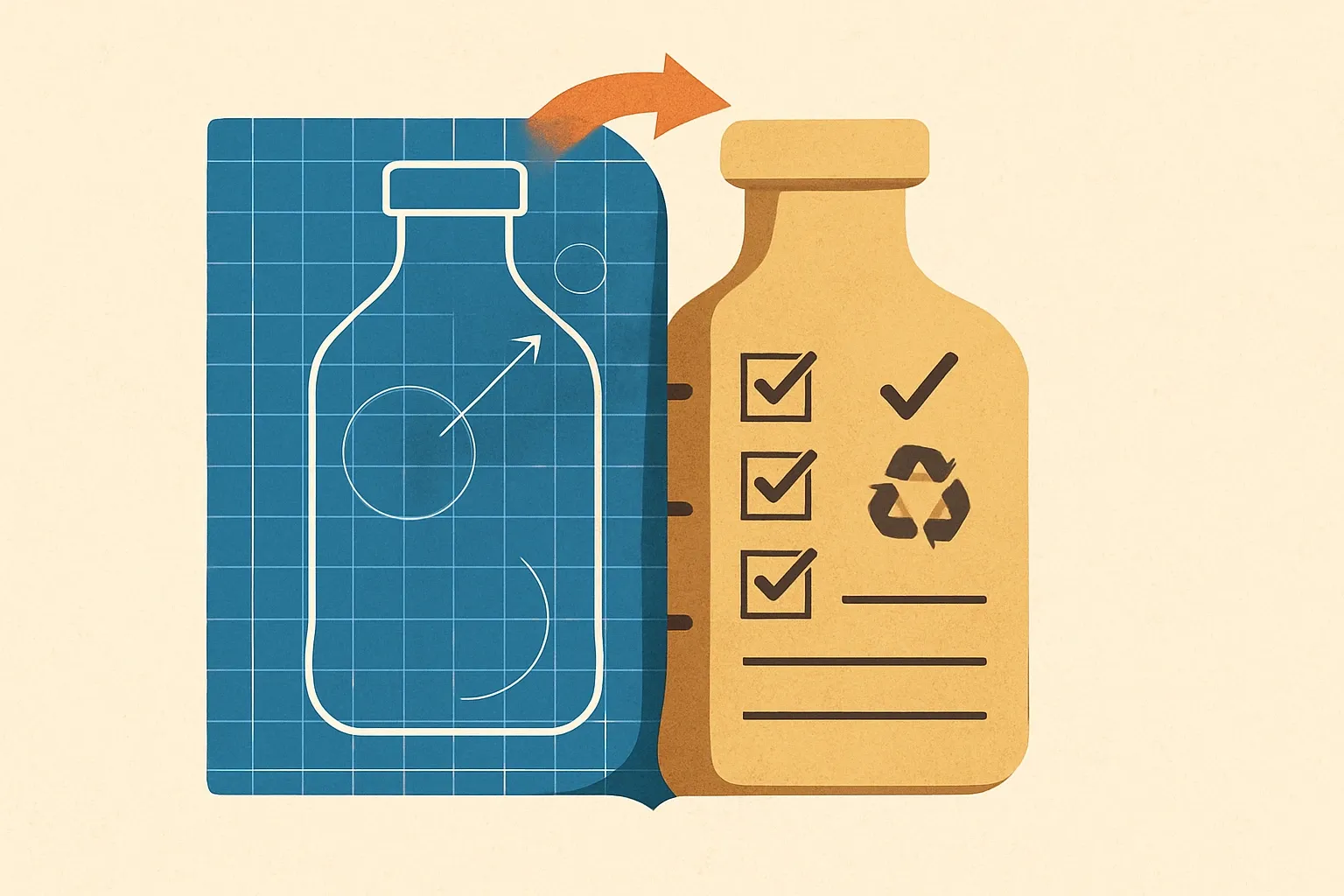
LEED does not certify, endorse, or promote products. It certifies buildings and communities, and products only contribute toward credits when they meet specific criteria (USGBC, 2024, LEED certification info for manufacturers). If a brochure says “LEED certified product,” fix the copy. Say the product contributes to LEED credits when used on a project.
Where products unlock points in v4.1
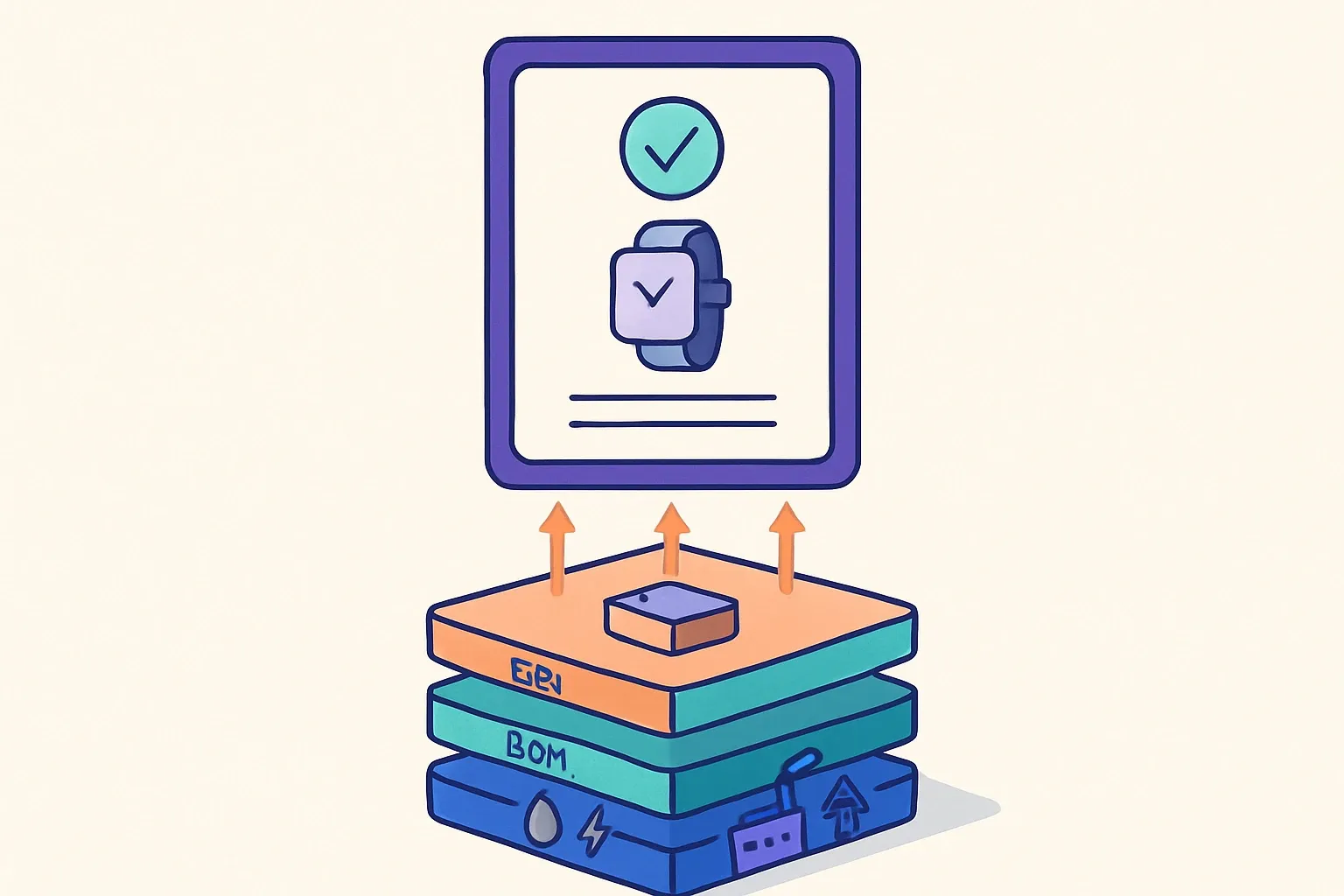
Most manufacturers influence Materials and Resources credits. The Building Product Disclosure and Optimization credit for Environmental Product Declarations offers up to 2 points. Option 1 asks for at least 20 permanently installed products from 5 manufacturers with qualifying EPDs, and product‑specific Type III EPDs are weighted as 1.5 products. Some project types require only 10 products from 3 manufacturers. These numbers come straight from USGBC guidance (USGBC, 2024, BPDO EPD guide).
Think of Option 1 as a shopping list, not a science fair. If your category is crowded, being the brand with a verified, product‑specific EPD can be the tie‑breaker that gets your SKU on the submittal.
What is changing with LEED v5
LEED v5 was ratified by USGBC members on March 28, 2025, after two public comment rounds in 2024. It keeps disclosure while emphasizing embodied carbon performance across the bill of materials and stronger outcomes for health and resilience (USGBC, 2025, LEED v5). If your team already publishes EPDs that follow ISO 14025 with EN 15804 or ISO 21930, you are well positioned to meet the v5 direction.
EPDs that qualify, in plain language
A qualifying EPD is third‑party verified, conforms to ISO 14025, and references EN 15804 or ISO 21930. Cradle to gate scope is acceptable for the disclosure credit, which is why most manufacturers start there. Product‑specific Type III EPDs carry more weight in LEED calculations than industry averages, so if you make the product, publishing your own EPD usually pays back quickly.
Analogy time. A PCR is the rulebook of Monopoly. Ignore it and the game falls apart. Your EPD must follow the relevant PCR used by peers in your category.
Want to win more LEED projects?
Follow us on LinkedIn for insights that help you unlock compliance and boost your bottom line.
Material ingredients still matter
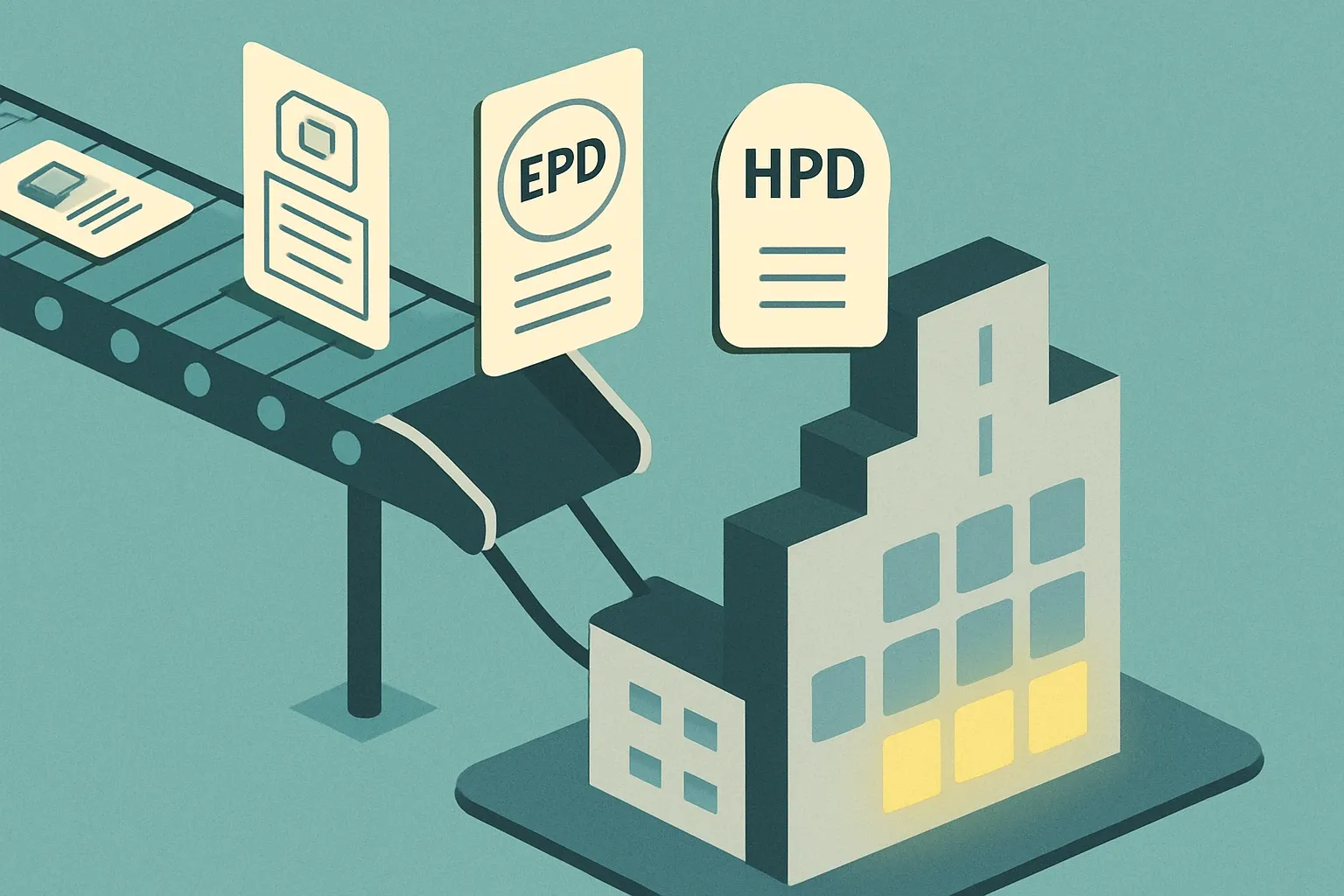
LEED also rewards ingredient transparency. A complete Health Product Declaration can count toward the Material Ingredients credit, and when third‑party verified it typically carries a 1.5 product weighting in calculations (HPDC, 2025). Ingredient credits rarely win projects alone, but they can stack with EPDs to de‑risk compliance for owners and GCs.
Market signal by the numbers
Demand is not theoretical. In 2024, Massachusetts certified 132 LEED projects totaling over 34 million square feet. New York added 69 million square feet across 170 projects. California led in project count with 437 certifications and over 101 million square feet (USGBC, 2025, Top 10 States 2024). More certified space means more teams asking for EPDs and HPDs in Division 01.
Program operators and formats, no drama
LEED is operator agnostic. EPDs published through recognized program operators that follow ISO 14025 and EN 15804 or ISO 21930 qualify, whether you use a North America focused operator or a European one. What matters is third‑party verification, correct scope, and an active validity date.
How to plan your first, or next, EPD
Pick a recent 12‑month reference year for data. Pull energy, fuels, water, scrap, yield, packaging, and transport. If the product is new with limited production, a prospective EPD based on a few months can be viable, then updated after a full year. Choose an LCA partner who actually organizes plant data collection and coordinates with the program operator. Your senior engineers should not be stuck chasing invoices and meter snapshots.
ROI that sales leadership can feel
Projects that target LEED v4.1 or v5 often penalize materials without third‑party verified data by forcing conservative carbon assumptions. Showing a product‑specific EPD removes that penalty and keeps your product in the running. Reliable cost averages are hard to pin down across categories, but many teams see payback from a single mid sized win. It is definately easier to defend margin when your competitor lacks an EPD.
Claims to avoid
Be precise in marketing, submittals, and cut sheets.
- Do not say “LEED certified product.” Say the product contributes to LEED credits when used in a LEED project (USGBC, 2024, LEED certification info for manufacturers).
- Do not imply point guarantees. Points are awarded at the building level.
- Do not let EPDs lapse quietly. Old within validity is fine, expiring next quarter can derail a specification.
Your next move
Audit your portfolio for EPD coverage, prioritize high volume SKUs, then align publication timing to sales cycles. Pick a partner who handles data wrangling and schedules the verification so your R&D and ops can focus on production. When the ask for “LEED product certification” shows up in an RFI, you can answer in one line and move the project forward.