What DPPs will actually ask for
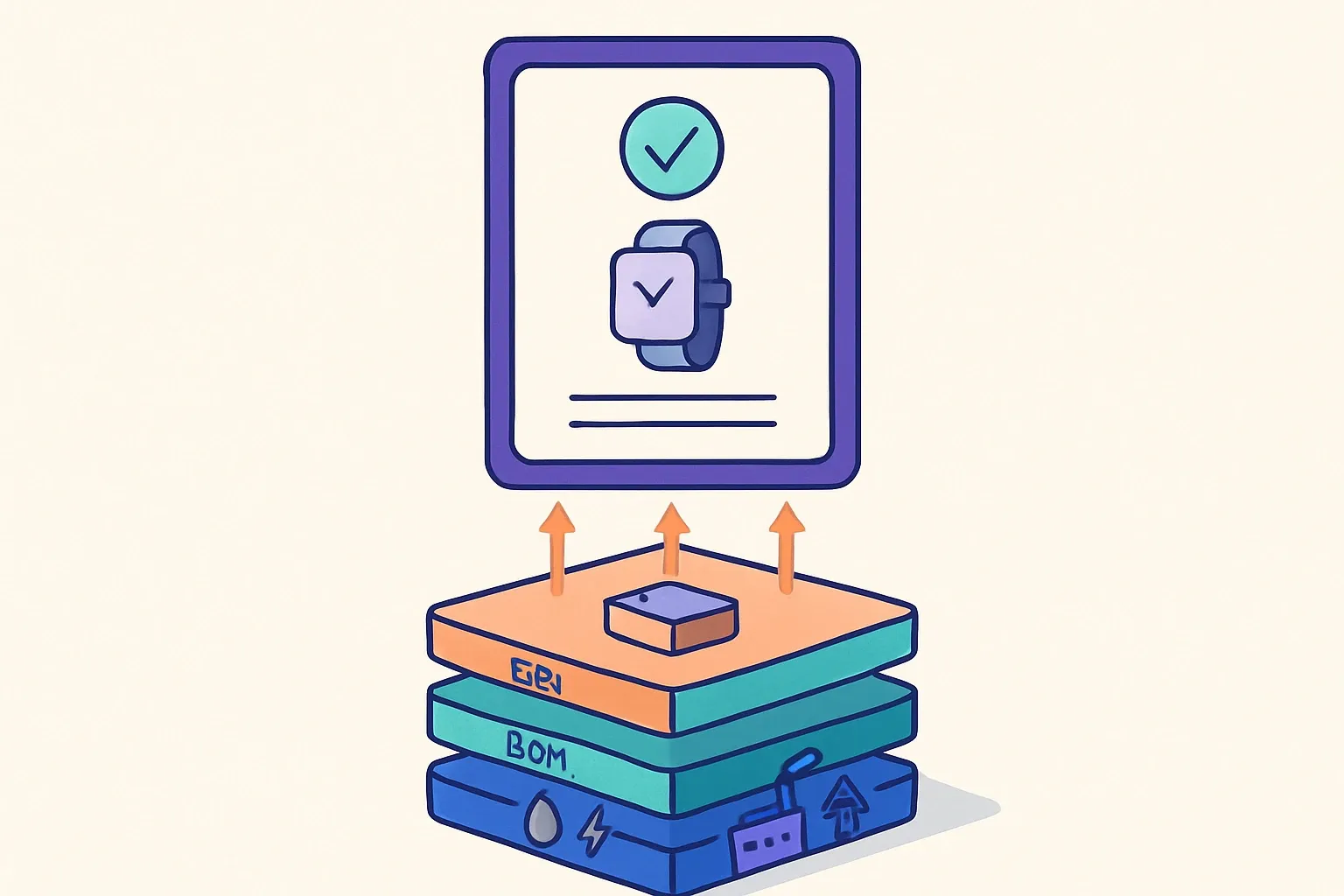
Digital Product Passports sit on the back of the EU’s Ecodesign for Sustainable Products Regulation, which entered into force on 18 July 2024. That makes DPP a legal framework, not a pilot. Expect unique identifiers, role‑based access, and structured fields that connect to environmental claims. (GS1 in Europe, 2024)
Batteries show the template. For industrial and EV batteries over 2 kWh, a QR‑accessible passport becomes mandatory from 18 February 2027, with data segmented for public, authorities, and legitimate interest users. The same logic is expected across more product groups. (EU Battery Regulation 2023/1542, consolidated 2025)
The chemical content gap
Most manufacturers can list materials. Many cannot list ingredients to CAS number with weights, impurities, and residuals. Suppliers hesitate to disclose formulations, which creates a black box for hazard screening and compliance checks. That slows credible HPDs, bogs LCA data quality, and leaves teams exposed when customers ask pointed questions.
Bill of Substances, not just Bill of Materials
Create a living Bill of Substances per SKU. Capture CAS RN, typical and maximum weight percent, impurity ranges, and process aids likely to remain in trace amounts. Screen against the REACH Candidate List and any enterprise restricted lists. The Candidate List contained 247 entries after the January 21, 2025 update, a reminder that the bar keeps moving. (ECHA Weekly, 2025)
Want to stay compliant with new EPD regulations?
Follow us on LinkedIn for insights that help you win more projects and streamline your data management.
Trust models that unlock supplier data
Suppliers rarely email formulas. Offer options that respect confidentiality:
- Third‑party confidential collection where a neutral intermediary receives full formulations, validates hazards, then returns screened results to the manufacturer with redacted details.
- Tokenized ingredient disclosure where suppliers upload to a secure portal and share only hazard outcomes and concentration bins.
- Pre‑signed NDAs with tailored access tiers so engineering sees more than sales, while regulatory sees everything.
These models turn a hard no into a safe yes without leaking trade secrets.
Decide what to surface vs keep confidential
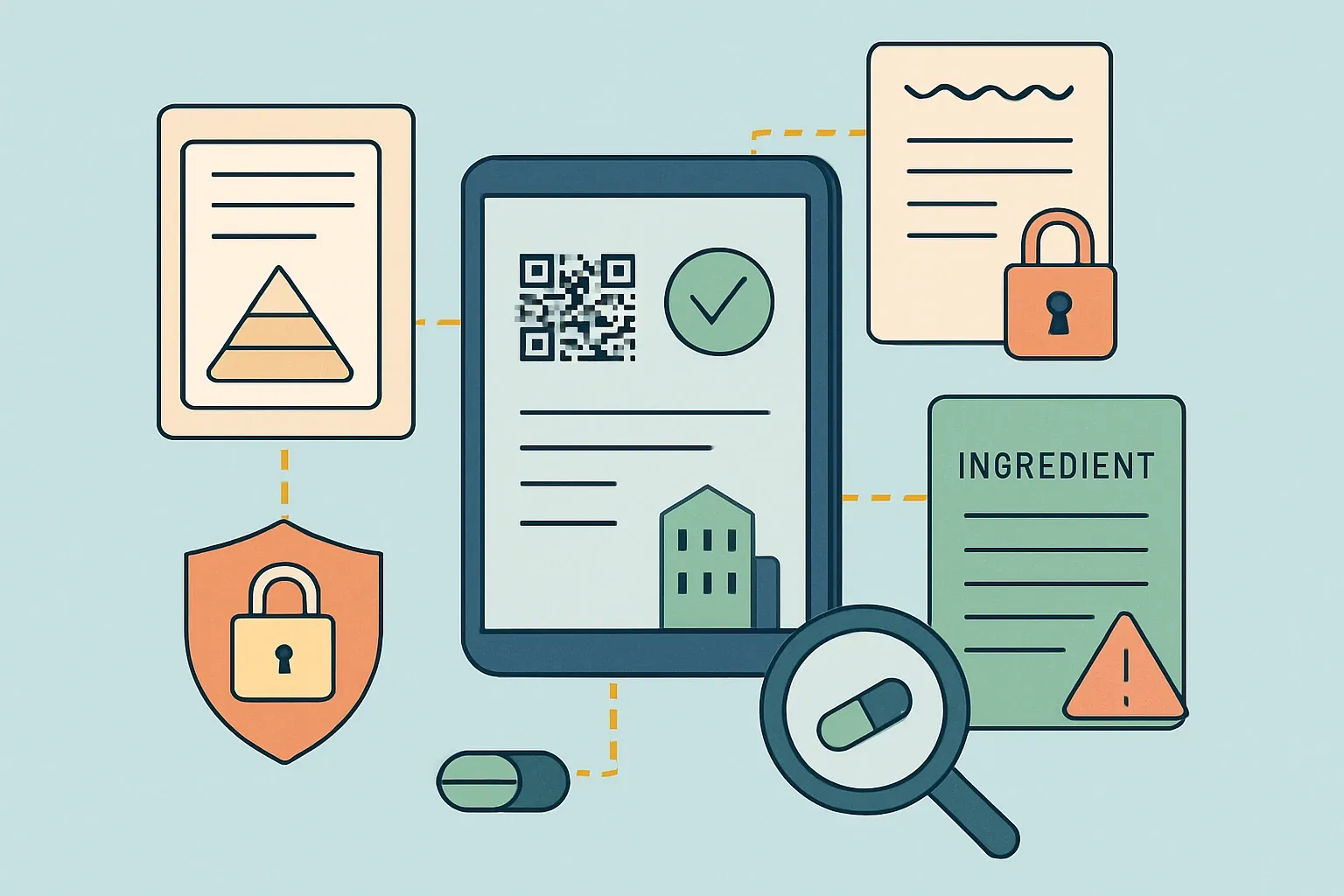
Map every data point to an audience. Public fields should cover identifiers, safe‑use instructions, and links to third‑party verified documents like EPDs and HPDs. Restricted fields can hold exact concentrations, impurity profiles, and supplier identities. Use role‑based access, audit logs, and change control. Dont publish more than the rulebook asks for.
Make EPD, HPD, and DPP talk to each other
Structure once, reuse everywhere. Your EPD needs the declared unit, system boundary, verification status, PCR reference, and impact results. Your HPD translates ingredient hazards. Your DPP becomes the discoverable wrapper that points to both with product IDs and supply‑chain metadata. When the PCR updates or the SVHC list grows, a single source of truth keeps all three current without a scramble.
A repeatable workflow that scales
Start with a 90‑day sprint. First, inventory products and prioritize the top revenue SKUs in the EU sales pipeline. Second, issue supplier requests with confidentiality pathways already baked in. Third, normalize and gap‑fill data, then run hazard screens. Fourth, publish the minimum viable DPP fields and link verified EPDs as they release. Fifth, lock governance: ownership, retention, and renewal cadence.
Governance that survives audits
Assign data stewards for identity, chemistry, and impacts. Track provenance for every field, including who approved it and when. Set renewal triggers tied to events such as new SVHC entries or factory process changes. Keep redaction rules documented. Auditors care less about tools and more about proof that your rules are followed every time.
Why this pays off in specs and sales
Project teams prefer products with trustworthy, machine‑readable credentials. A clean data spine reduces follow‑up questions, shortens the back‑and‑forth on submittals, and keeps products in the running when carbon or hazard thresholds appear in bid docs. The lift to organize data is real, yet the cost is typically dwarfed by one mid‑sized win that hinges on transparent documentation.