Why questionnaires stall chemical and coatings teams
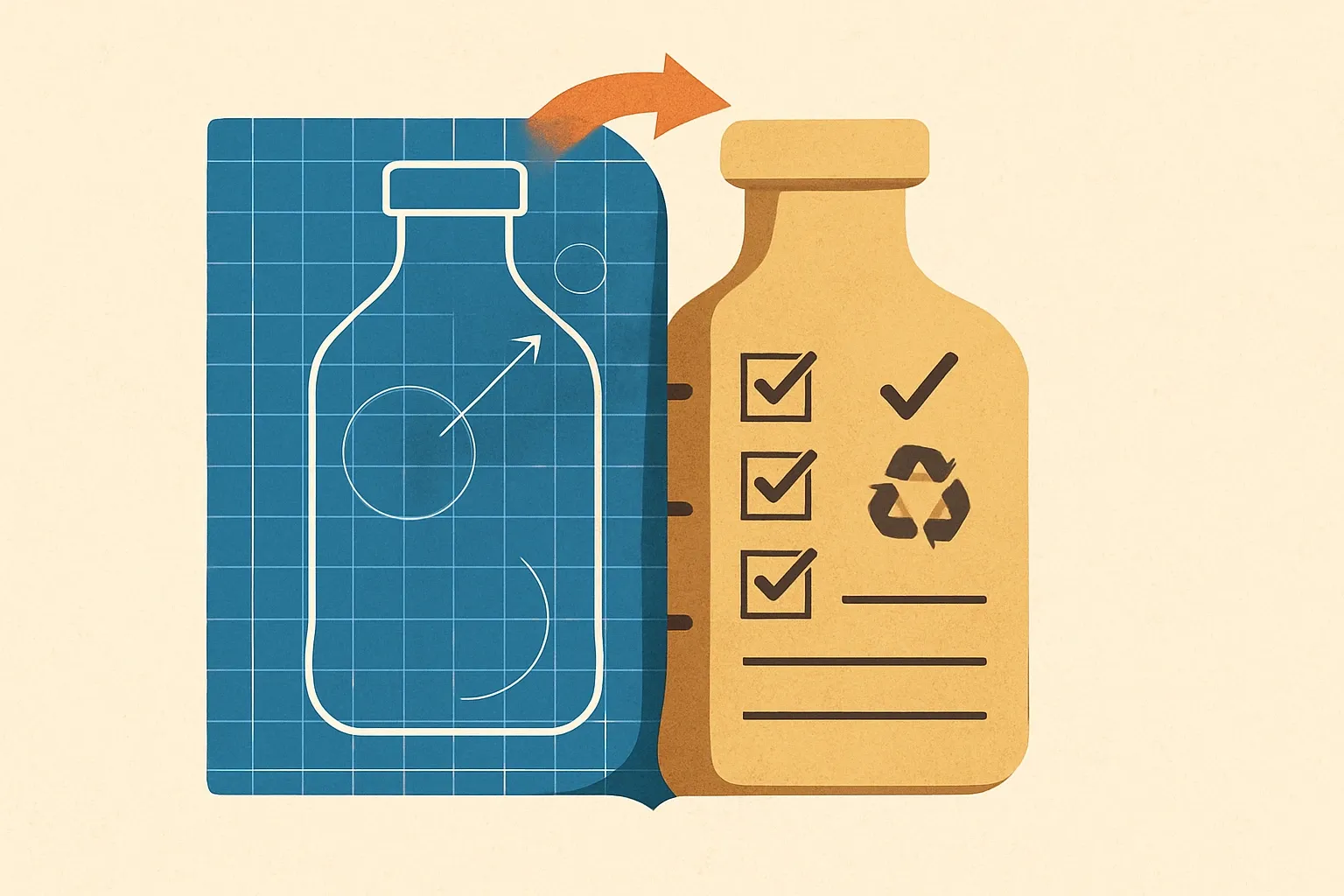
Safety Data Sheets follow a 16 section format, yet customer forms rarely match that structure, so information gets retyped and reshaped each time (OSHA, 2024). Add TSCA, FDA food contact, NSF 61 for potable water, plus carbon questions that point to the latest EPD. Fragmented sources create slow handoffs and inconsistent answers.
What an AI librarian actually does
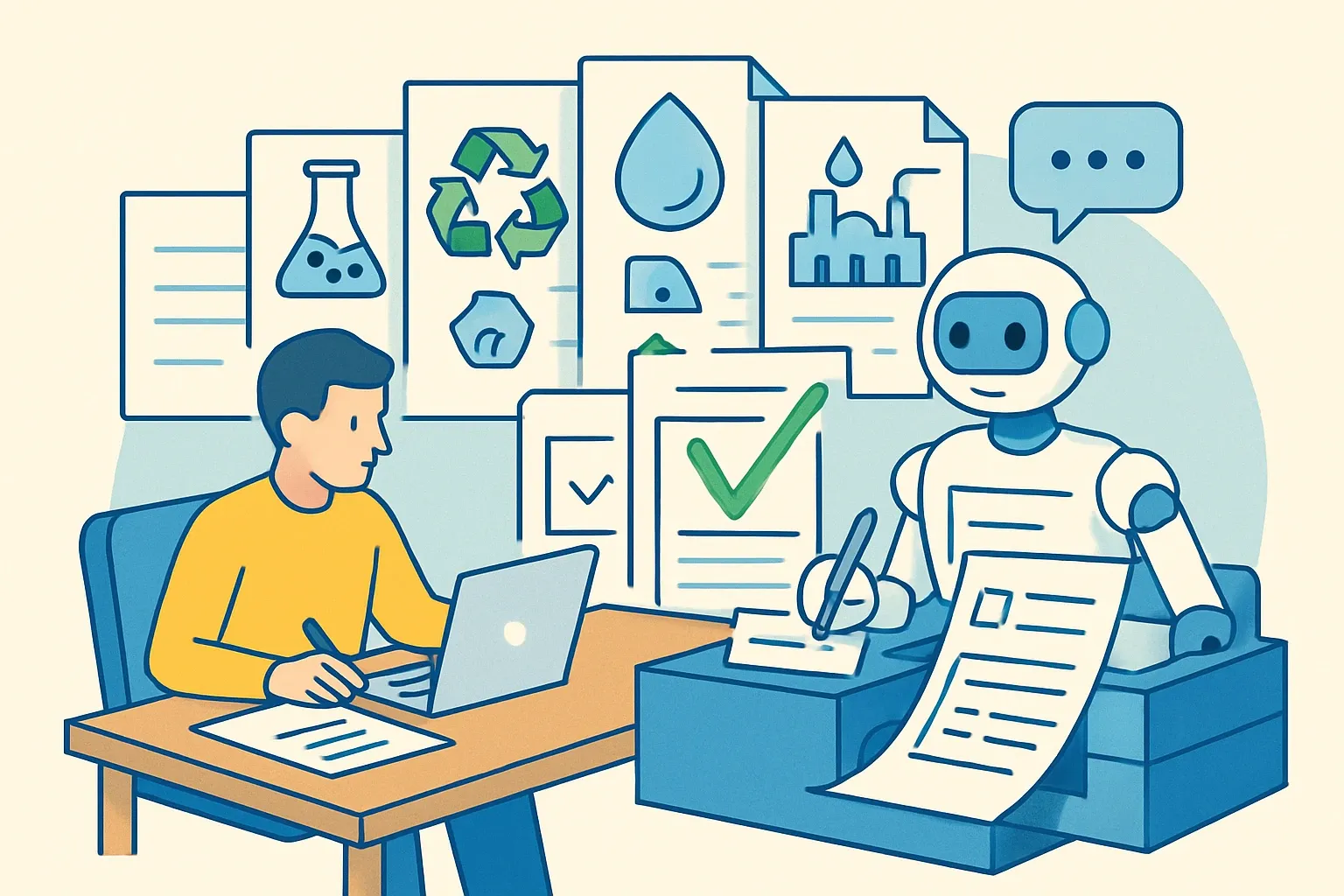
An AI system ingests product catalogs, SDS archives, regulatory PDFs, prior responses, and LCA or EPD files. It maps each fact to its source, then drafts answers to the exact prompt language in a questionnaire. Role based access, redaction rules, and human in the loop review keep the process compliant with emerging AI oversight expectations.
Source first drafting beats copy paste
The model does not invent facts. It cites internal vault records, verified regulations, or curated public standards next to each sentence. Reviewers see the provenance, click through, and approve in minutes. Think of it like closed book exams turning into open book with receipts.
From EPD data to checkbox answers
Most questionnaires want program operator, EPD number, verification status, declared unit, modules covered, and product GWP. They often ask for the underlying PCR and its version. EPD programs commonly set a five year validity window, so surfacing the expiry date avoids last mile rework (Environdec, 2024).
A quick lens on regulatory scale
Under the EPA Chemical Data Reporting rule, companies report when site volumes exceed 25,000 pounds for many substances, with a lower threshold for certain actions. That scale of data hints at why manual answer hunts do not keep up (EPA CDR, 2024).
Want to streamline compliance for your products?
Follow us on LinkedIn for insights that help you win tenders and improve your compliance efficiency.
Controls that satisfy auditors
Good platforms track who drafted, who edited, and who approved. They lock sources to specific answers and preserve snapshots of the questionnaire at submission. If a customer audits three months later, you can reproduce the exact response set in seconds.
Where speed pays off
Faster, defensible responses keep coatings and chemical products in the running when buyers score compliance side by side. Many specifiers assign penalties to products without a product specific EPD, so being ready with clean data reduces the chance of getting swapped late in a bid cycle.
Guardrails for regulated markets
Use policy templates for drinking water and food contact that only allow answers backed by specific standards like NSF 61 or FDA 21 CFR citations. Flag gray areas for human review. The system should refuse to fill regulatory filings unless explicitly configured, since those carry different legal duties.
How to pilot without breaking anything
Set up a 60 to 90 day pilot on one high volume questionnaire family. Start with a narrow scope and measure response time and revision count.
- Gather sources that will be considered authoritative, including SDSs, supplier declarations, and the latest EPD PDFs.
- Tag fields that must never be auto filled, such as confidential formulation details.
- Define approver roles and escalation rules for anything not source backed.
- Track cycle time and answer reuse rate to prove value before wider rollout.
Choosing a partner to run this well
Look for a provider that handles data wrangling instead of handing you spreadsheets. Experience with LCAs, EPDs, and HPDs matters because many questions hinge on those documents. We favor teams that combine an AI platform with white glove collection so R and D can stay focused on product.
The finish line without the frenzy
The win is simple. Answers that are correct, consistent, and fast to deliver. AI assembles the puzzle and people snap the last piece in place. That is how compliance goes from blocker to a quiet advantage.