The Baltic baseline
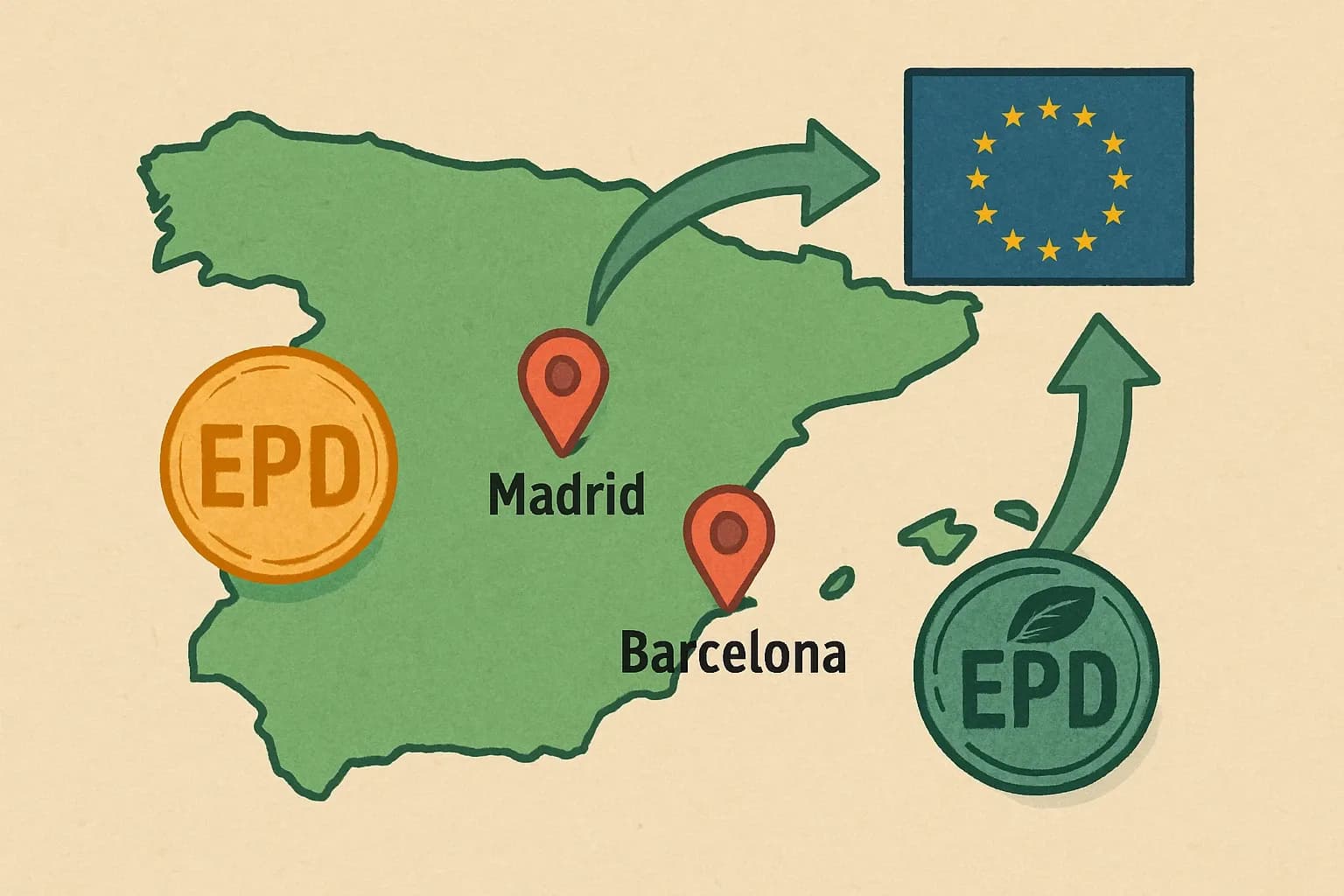
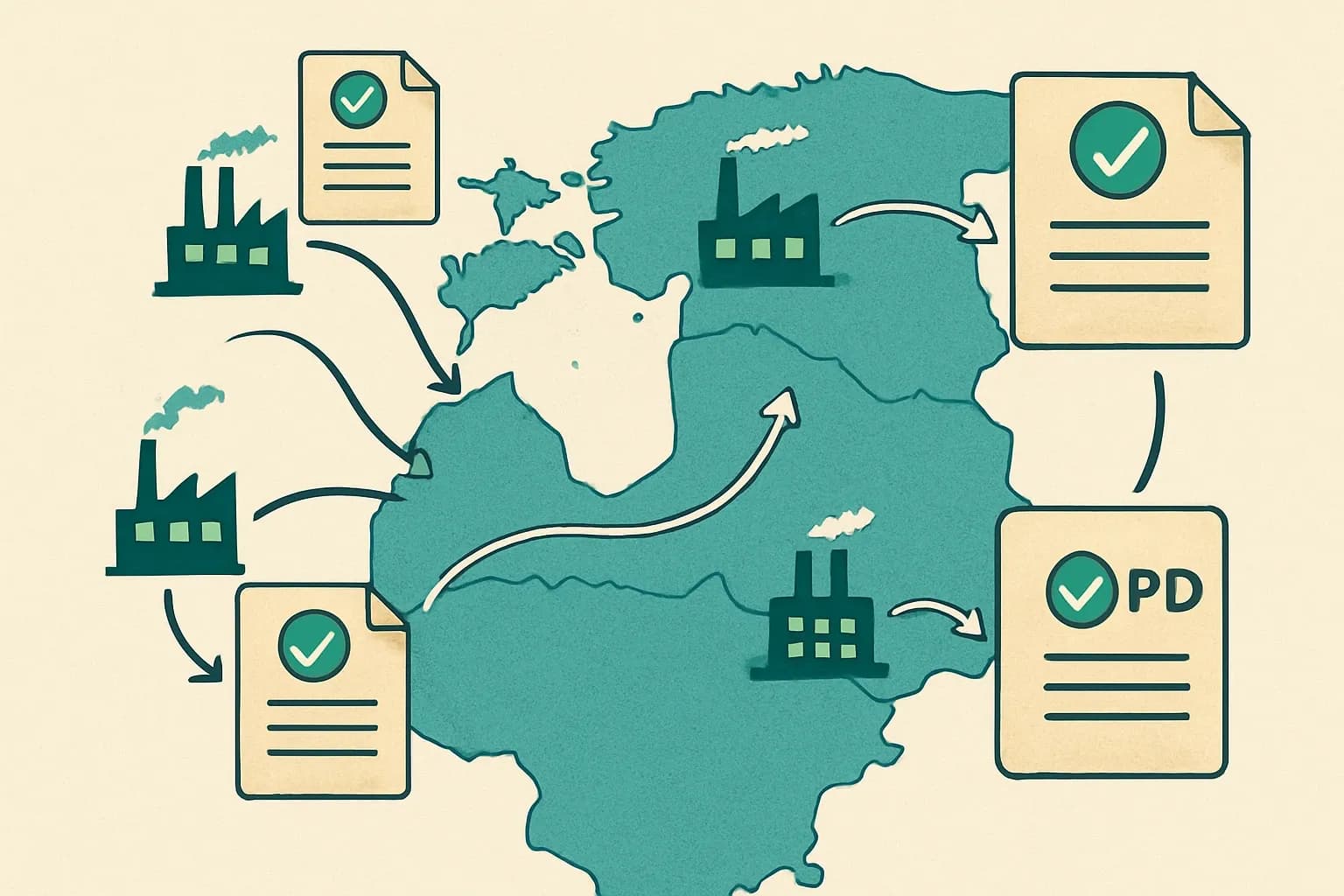
An Environmental Product Declaration in the Baltics follows EN 15804 and is recognized across the EU. Architects, contractors, and public buyers expect third‑party verified, A1–A3 at minimum, with clear module reporting and declared unit that matches the category. English is widely accepted for publication and tendering. If you were searching for epd baltics, this is the landscape you’re stepping into.
Who usually publishes EPDs here
Manufacturers in the region commonly publish with The International EPD System, IBU, RTS EPD, or EPD Norge. All are EN 15804 aligned and well known to Baltic specifiers. Operator choice tends to hinge on where sales teams bid most often, whether you want a single global portfolio, and practicalities like language, reviewer backlog, and lead‑times.
What drives demand in each country
Estonia is moving from energy performance to whole‑life carbon. A draft rule requires the carbon footprint of new buildings with net enclosed area over 1,000 m² to be calculated starting 1 July 2025, which pushes demand for product‑specific EPD data in models (Estonian Ministry of Climate, 2025) (Estonian Ministry of Climate, 2025).
Latvia already mandates green public procurement for new construction, rebuilding, and demolition of third‑group buildings. Amendments apply from 1 January 2024, and the criteria reference Environmental Product Declarations for selected fit‑out materials in public projects (Latvian Cabinet Regulation No. 353, 2023) (Latvian Cabinet Regulation No. 353, 2023).
Lithuania set a target for 100% green public procurement from 2023 and has reported rapid uptake. By late 2023, around 94–96% of procedures and spend used green criteria, tracked on a national dashboard (OECD, 2025) (OECD, 2025) (Procura+, 2024).
Want to win more tenders in the Baltics?
Follow us on LinkedIn for insights on navigating EPD requirements and aligning with public procurement to unlock new business opportunities.
EU rules that matter next
Two EU files are reshaping expectations. The Ecodesign for Sustainable Products Regulation entered into force on 18 July 2024 and allows the Commission to set mandatory green public procurement criteria for product groups, which can raise the bar for data quality and transparency in tenders (European Commission, 2024). The revised Construction Products Regulation was adopted in November 2024 and applies one year after entry into force for most articles, with penalties two years after entry into force (Council of the EU, 2024). Both increase the value of robust, comparable EPDs across borders.
Picking PCRs that win bids, not arguments
Treat the PCR like the rulebook of Monopoly. Ignore it and the game falls apart. In practice, Baltic manufacturers pick the PCR used by their closest competitors and by the operator most accepted in priority markets. Check validity windows so renewals align with sales cycles. If a product‑specific PCR is missing, a generic construction materials PCR can be a bridge until a better fit is available.
Data you will actually need
Most of the work is gathering plant‑level primary data for one reference year. Utilities, fuels, inbound transport, yields and scrap, waste treatment routes, packaging, and outbound transport to key markets. For brand‑new lines, a prospective EPD based on a few months of production can get you in the game, then you true‑up after a full year. Sales teams dont always flag EPD demand, so make a quick intake form part of bid‑no bid.
Where speed and quality save the most time
Time gets lost in data chases inside the factory. A partner who handles stakeholder wrangling, validates utility bills and meters, and translates bills of materials into LCA inputs will finish sooner with fewer revisions. That frees your R&D and operations to run the plant instead of formatting spreadsheets. Operator‑agnostic publishing keeps options open if reviewers are backlogged.
Quick publishing tips for the Baltics
- Align your declared unit and scope with the category used by competitors.
- Include at least A1–A3 and add A4 and A5 when logistics or site impacts are material for bids.
- Publish in English and keep a short local‑language summary for tenders if requested.
- Track PCR and EPD expiry dates in a simple calendar so renewals never collide with peak bid seasons.
- Prepare a one‑page EPD explainer for sales so buyers understand what’s inside and how it lowers default penalties in whole‑life carbon models.
Bringing it together
If you sell into public work in Riga, Vilnius, or Tallinn, EPDs are no longer optional sign‑posts, they are tickets to enter. Estonia is formalizing building‑level carbon calculations, Latvia’s GPP already references EPDs for certain materials, and Lithuania scaled near‑universal green criteria use. Publish once with a recognizable operator, keep PCR choices consistent with your competitive set, and refresh data on a predictable cadence. That is how to win specifications across the epd baltics conversation.