What makes an EPD “Lithuania ready”
For construction products, the baseline is EN 15804+A2. If your declaration follows this standard, you are aligned with what buyers and assessors expect across the EU, including Lithuania. Most declarations are accepted when published by an established European program operator and verified by an independent third party.
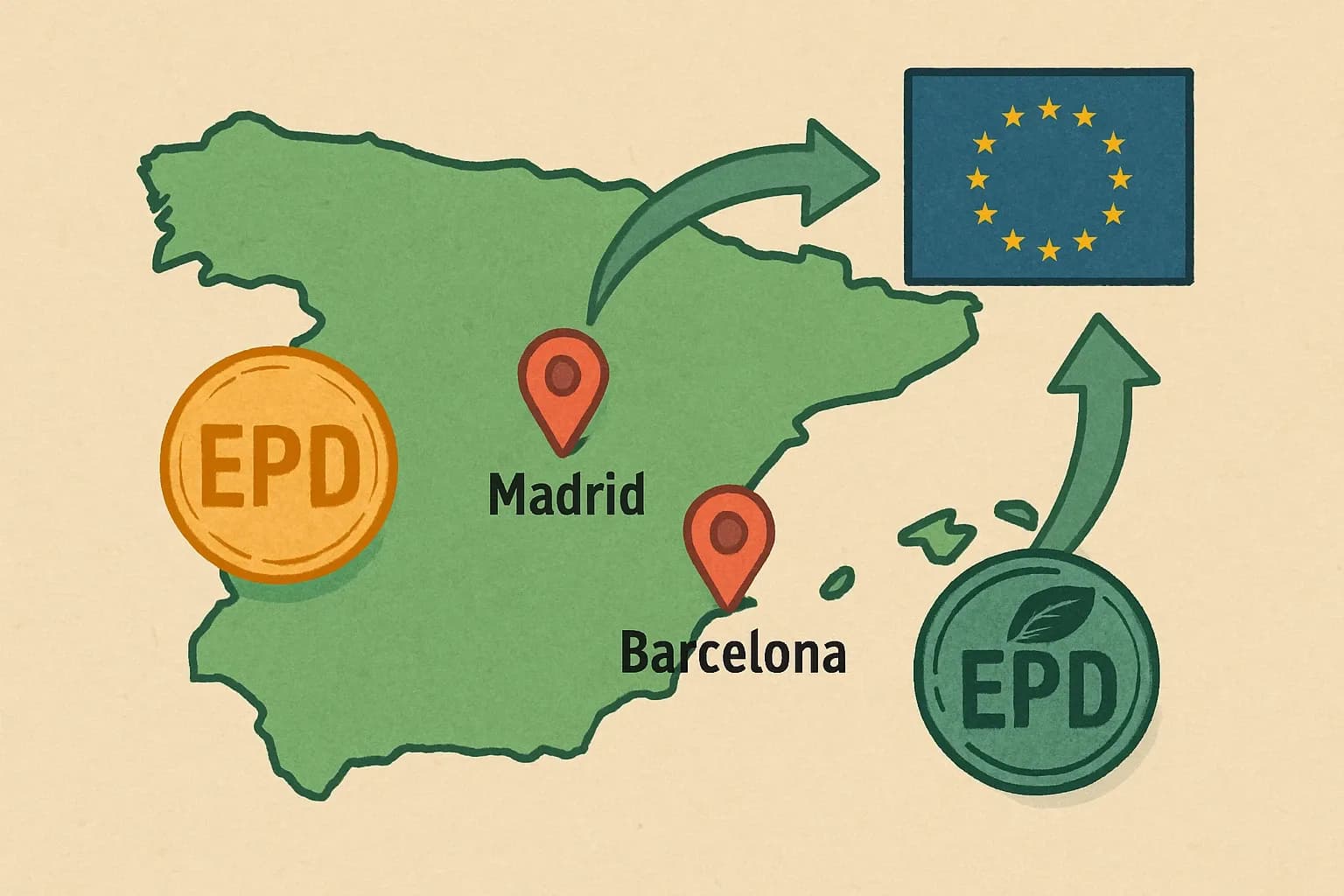
ECO Platform recognition helps with cross‑border acceptance because it signals EN 15804 alignment plus consistent verification. If your PDF carries the ECO Platform EPD logo, Lithuanian specifiers can import it into their LCA workflows without extra gymnastics.
Why tenders in Lithuania increasingly ask for EPDs
Lithuania has leaned into green public procurement. By 2023, about 90% of all public procurement was green, and environmental criteria became mandatory across tenders that year (Ministry of Environment of the Republic of Lithuania, 2023) (Ministry of Environment, 2023). If your product lacks a product‑specific, third‑party verified EPD, evaluators often have to use conservative default impacts that make your bid look heavier than it is.
Think of it like showing up to a basketball game without your shoes. You can still play, but every cut and sprint is slower.
EU rules that will amplify EPD demand
Under the recast Energy Performance of Buildings Directive, disclosure of a building’s whole‑life carbon Global Warming Potential becomes mandatory for large new buildings from 2028 and for all new buildings from 2030. This reporting relies on product EPD datasets for materials and systems, so suppliers without EPDs become harder to model and justify in design and procurement pipelines (Circular Cities and Regions Initiative, 2025) (CCRI on EPBD, 2025).
Level(s), the EU’s common building sustainability framework, tracks six macro‑objectives that include life‑cycle impacts, further normalizing EPD use in design tools and client deliverables (European Commission Level(s), 2024).
Common program operators Lithuanian teams use
Manufacturers serving Lithuania typically publish with one of the established European operators that work seamlessly with EN 15804 and ECO Platform recognition. You will often see EPD International, IBU, EPD Norge, RTS EPD, EPD Danmark, BRE, and EPD Italy. North American operators are also used when mutual recognition applies, especially for exporters into the EU. Choice is usually driven by portfolio fit, language preferences, database visibility, and how quickly the operator can verify and post.
Selling into Lithuania or manufacturing there?
Follow us on LinkedIn for insights on EPD compliance that help you win tenders and unlock market opportunities.
Picking the right PCR without drama
Treat the Product Category Rules like the rulebook of Monopoly. Ignore them and the game falls apart. A practical approach is to check which PCR competitors use for similar products, confirm EN 15804+A2 alignment, and note expiry timing so your declaration does not land on a sunset date. If no narrow PCR exists, a generic construction‑products PCR under an established operator is a solid fallback until a tighter fit emerges.
Data you will actually need in Lithuania
Plan for a single reference year. Collect data that reflects how the product is made at the Lithuanian plant or the plant serving Lithuania.
- Energy inputs and fuels by month or year, with meters and invoices.
- Raw materials and intermediates by supplier and mass, including recycled content and biogenic fractions where relevant.
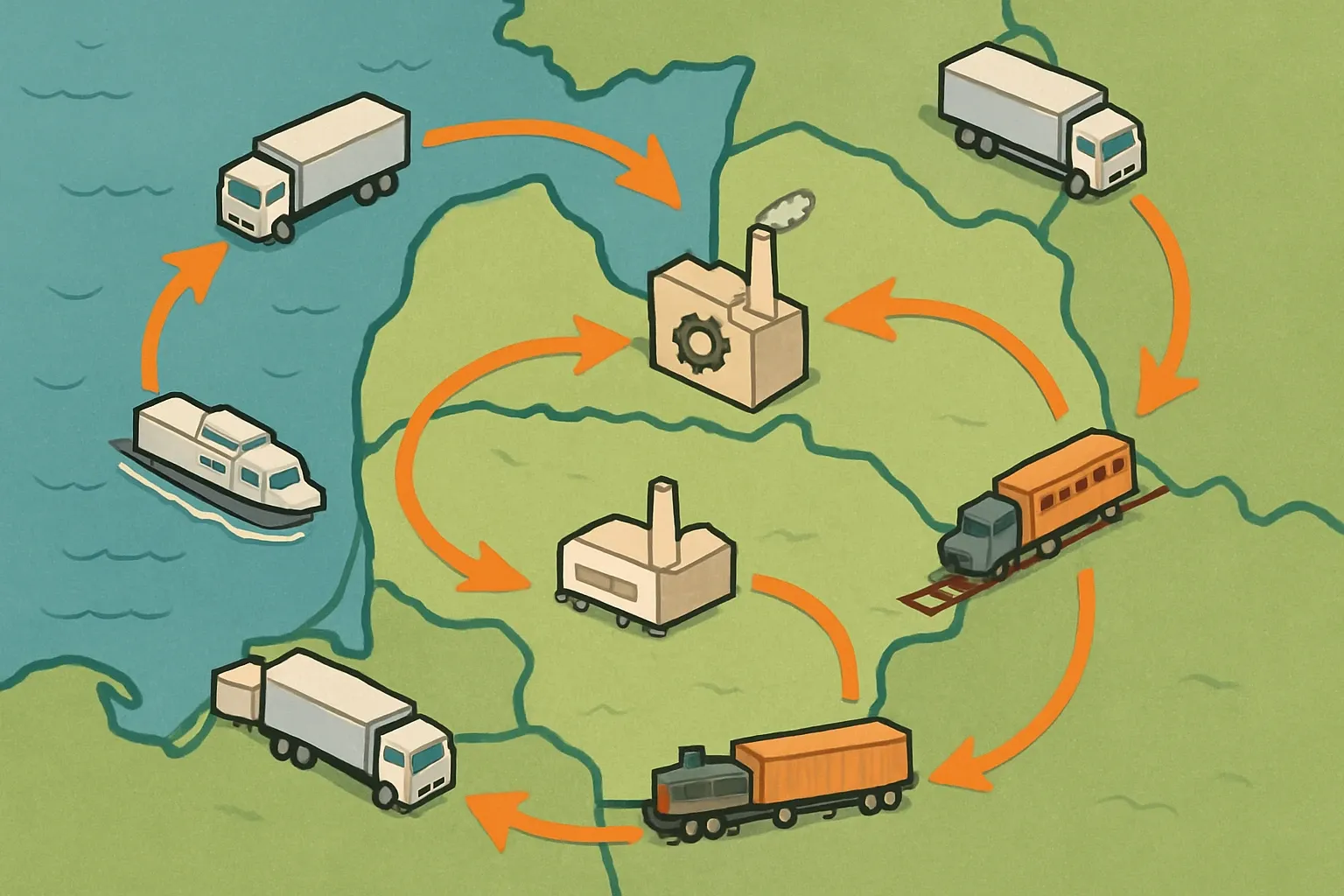
- A4 logistics to Lithuanian projects or distribution hubs, with realistic routes and transport modes.
- Waste and water data, treatment routes, and recovery credits where allowed by the PCR.
Good data is like a clean mix on a studio track. Everything else becomes faster to verify.
Language, units, and verification
English is widely accepted for EPDs in Lithuanian projects, though Lithuanian summaries can be helpful for public buyers. Stick to metric units and be consistent. Third‑party verification remains non‑negotiable under EN 15804 and operator rules. If you plan mutual recognition or secondary listings, flag that early so any country‑specific add‑ons can be modelled once, not patched later.
Timelines and validity
Publishing speed varies by product complexity, data readiness, and operator queue. Many European operators set EPD validity at five years before renewal, which is a useful planning guardrail for budgeting and portfolio roadmaps (Bau EPD on ECO Platform and EPD validity, 2025). An expiring PCR does not automatically invalidate an existing EPD, yet the next renewal will need the updated PCR version.
Pitfalls we still see
Teams sometimes under‑document transport for A4 and end up with generic distances that inflate impacts. Others skip early talks with Quality or Procurement and later scramble for invoices to support verifier sampling. A few rush a narrow single‑plant declaration when a multi‑plant setup would better match how the product is actually supplied. These are easy wins to fix if you align stakeholders in week one.
If you sell outside Lithuania
ECO Platform recognition and bilateral mutual‑recognition agreements make it straightforward to list the same EN 15804 EPD in multiple programs for visibility. That keeps architects, contractors, and LCA tools in Germany, the Nordics, and beyond working from the exact same dataset. One declaration, many doors opened.
Bringing it together for Lithuania
If you manufacture in or sell into Lithuania, an EN 15804 EPD from a recognized operator is the ticket that keeps you in play as tenders tighten around life‑cycle disclosure. Focus on clean plant data, the right PCR, and verifier‑ready evidence. Get those right and you will recieve fewer follow‑up questions, faster listings, and a steadier path to specification as EU rules kick fully into gear.