Where EPDs fit into Estonia’s rules
An EPD is product evidence that plugs into a building LCA. Estonia now requires a carbon footprint calculation for new buildings larger than 1,000 m² starting 1 July 2025. That makes product‑specific data the fast lane to a credible model, even though EPDs themselves are not legally mandated for every product (Estonia Ministry of Climate, 2025).
EU policy is marching the same direction. The EPBD will require disclosure of life‑cycle GWP in energy performance certificates for large new buildings from January 2028, and for all new buildings from January 2030. Design teams will prefer products with third‑party verified EPDs that drop cleanly into the model (European Commission, 2025).
Standards you must align with
In Estonia and across Europe, the anchor is EN 15804+A2 under ISO 14025. Third‑party verification is expected, and EPD validity is typically five years under major operators, subject to PCR rules and surveillance requirements (EPD International FAQ, 2025). Think of the PCR as the rulebook of Monopoly. Ignore it and the game falls apart.
Who actually publishes EPDs for Estonian products
Local manufacturers commonly publish with one of these European program operators:
- The International EPD System (EPD International)
- IBU in Germany
- RTS in Finland
- EPD Norge in Norway
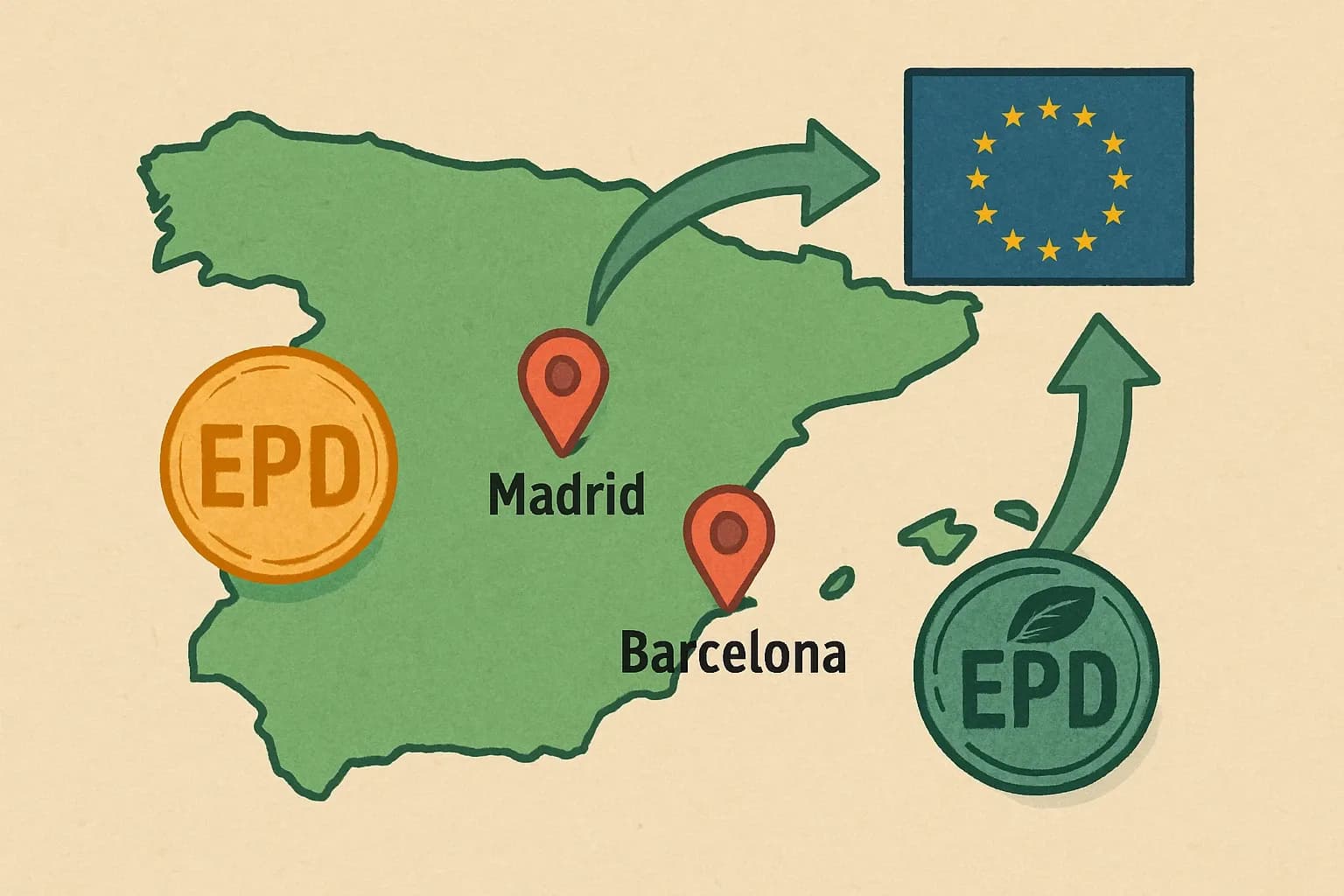
All are recognized across the EU market. Choice hinges on audience, sector conventions, and how your competitors already publish. Publication language is usually English, with optional Estonian translations for specific tenders.
Want to master EPDs for your Estonian projects?
Follow us on LinkedIn for insights that help you navigate regulations and unlock new business opportunities.
Picking the right PCR without overthinking it
Start where the market is. Scan competitors’ declarations and shortlist the PCRs they use. Check expiry windows so your declaration won’t need a rewrite months after launch. When a product‑specific PCR does not exist, an established generic construction products PCR under EN 15804 often fits until a tighter rule emerges.
Data hurdles, solved early
The toughest part is not the modeling. It is collecting complete, auditable data from utilities, purchasing, and the plant floor. Lock the reference year, map your bill of materials to supplier EPDs where possible, and document transport and waste with the same precision you treat scrap rates. A good partner will handle the heavy wrangling so engineers keep building, not chasing spreadsheets.
Tender reality in Estonia
National green public procurement is mandatory for a few product groups, but building materials are not on that mandatory list as of today. Criteria have been compulsory at the national level for furniture, ICT equipment, copying paper, cleaning products and services since 1 January 2022, and for road vehicles since 16 February 2023 (OECD, 2024). For municipal or agency procuremnt, buyers may still request EPDs to streamline whole‑life carbon checks.
How EPDs move specs and margin
When a building LCA is due, a product without an EPD forces the model to use conservative defaults that inflate impact. That risk makes you easier to swap. A verified, product‑specific EPD keeps projects moving and protects value, so you compete on performance and availability rather than price alone.
Timelines and renewals in practice
Plan your pipeline so new or high‑volume SKUs are covered first. Use families and representative products where the PCR allows, but verify variation thresholds so results remain defensible. Put a reminder in the calendar for surveillance updates and for the next PCR revision so renewal never becomes a fire drill.
A quick action plan for teams in Estonia
- List the projects where the 1,000 m² building rule applies and confirm any client‑specific carbon targets (Estonia Ministry of Climate, 2025).
- Map products sold into those projects, then match each to a likely PCR and program operator.
- Lock your data reference year and assign one owner per plant for utility, material, packaging, and waste evidence.
- Build a reviewer bench early. LCA expert, independent verifier, and a technical lead from production.
Final word
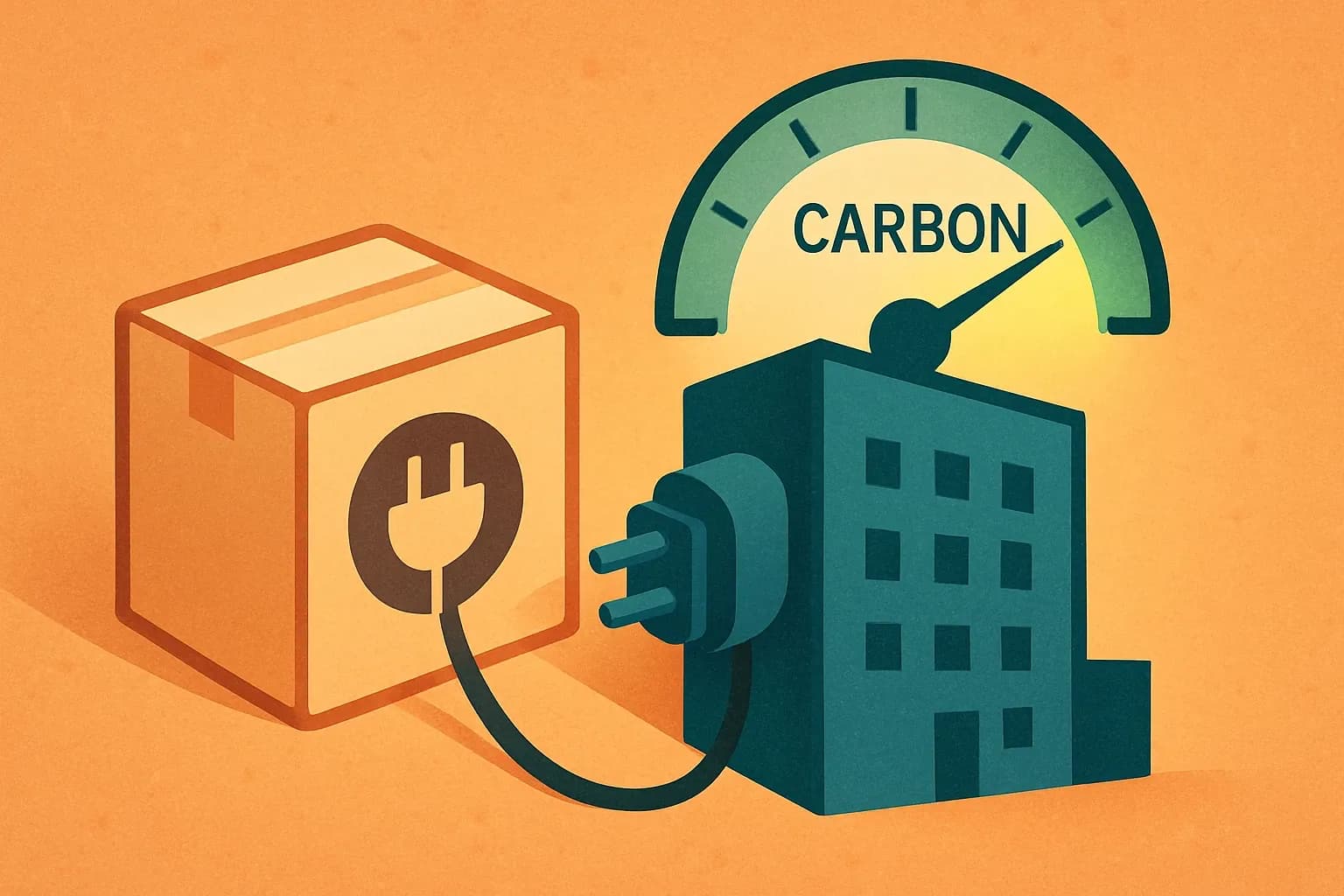
EPDs in Estonia are not a paperwork chore. They are the adapter that lets your product plug into building‑level carbon rules with zero fuss. Get the rulebook right, collect data once with care, and publish where your buyers already look. The rest becomes repeatable, and fast.