The Belgian rulebook in one view
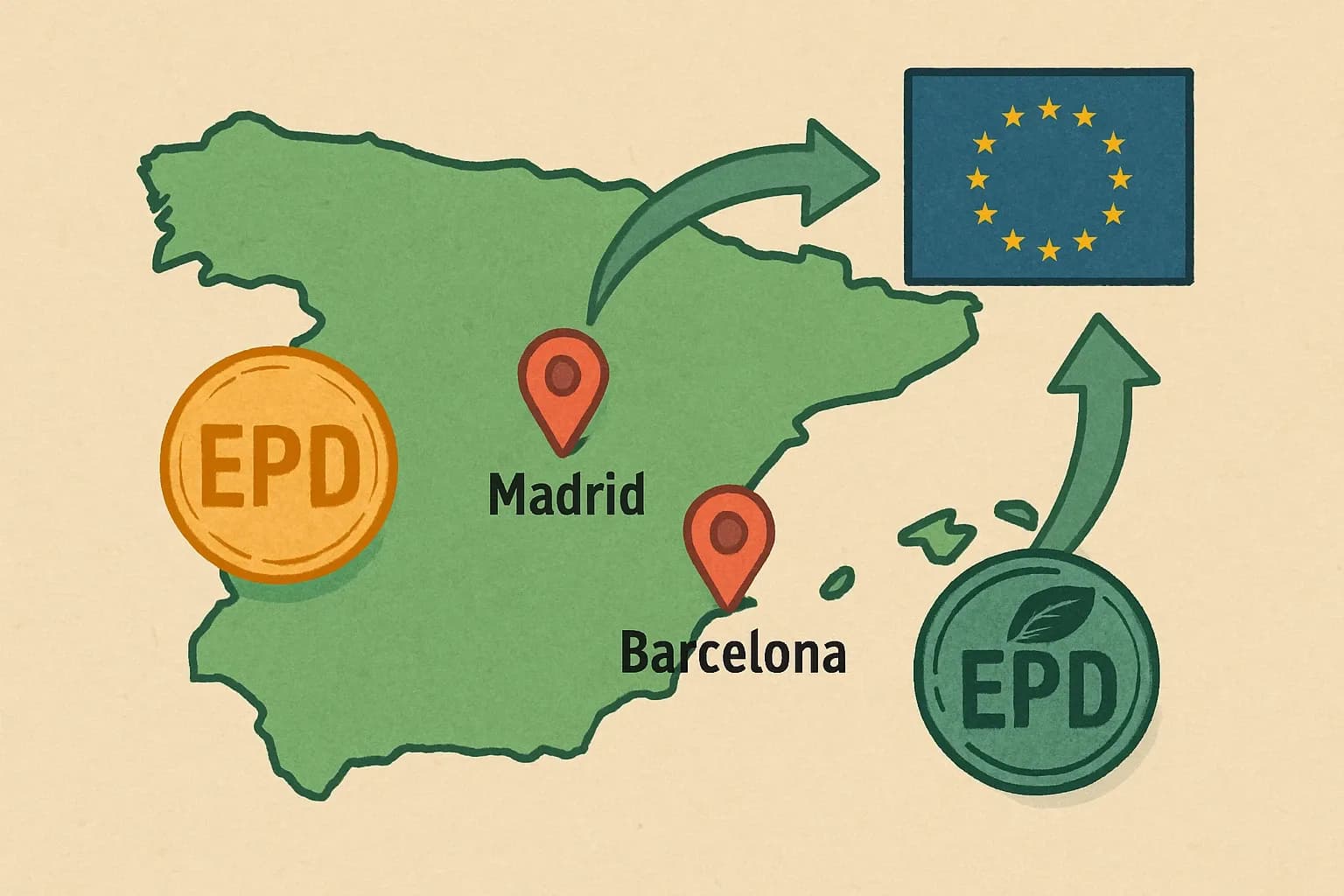
Belgium runs a national programme called B‑EPD. It follows EN 15804+A2 with a Belgian complement and requires third‑party verification before entries land in the federal database. If a company communicates environmental performance in Belgium, that EPD must be registered in B‑EPD. The programme operator is the Federal Public Service of Health, Food Chain Safety and Environment.
Where your data actually gets used
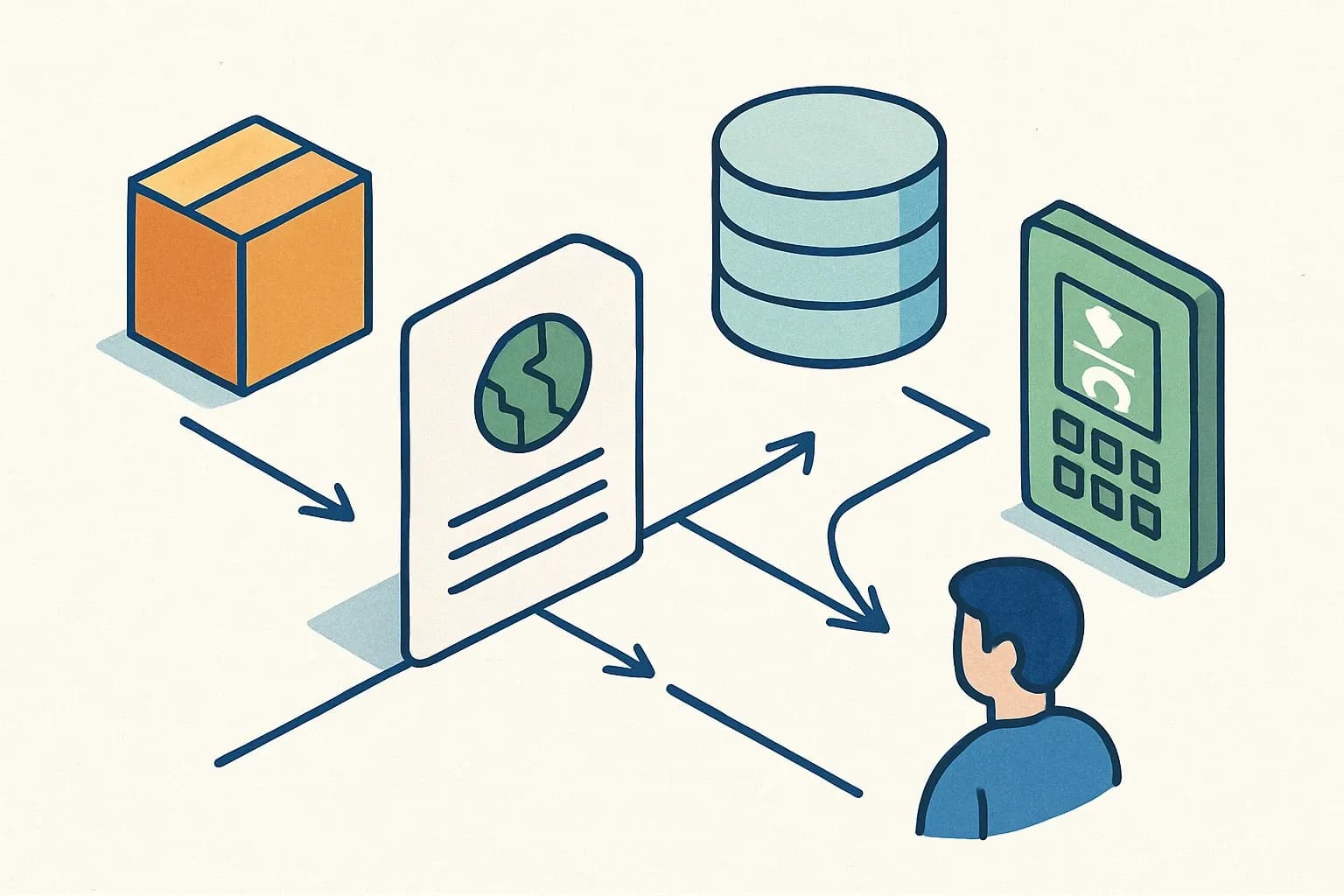
B‑EPDs are not shelf art. They feed the country’s building LCA tool, TOTEM, which regional authorities promote across Flanders, Brussels, and Wallonia. New EPDs are integrated into TOTEM two times per year, so publication timing affects when specifiers will see your results in the calculator (FPS Public Health, 2025). TOTEM has been online since 2018 and continues to grow its library with B‑EPD data (OVAM, 2025).
What “EPD Belgium” compliance means in practice
The Royal Decree on environmental claims ties public environmental messaging to verified declarations recorded in the B‑EPD database. For indoor air, a separate decree sets limits for emissions covering more than 170 VOCs, which often matters for coatings, adhesives, sealants, and flooring (FPS Public Health, 2025). If your product team wants to make claims in Belgium, plan for both the EPD and, where relevant, the emissions angle.
EU policy tailwinds you should watch
The recast Energy Performance of Buildings Directive pushes whole‑life thinking across the EU. Belgium points out that an EPD can support future life‑cycle GWP reporting under this framework. The directive entered into force in 2024 and sets staged obligations through 2026 and beyond (EUR‑Lex, 2024). The new Construction Products Regulation was adopted in late 2024 and elevates life‑cycle performance for products placed on the EU market (EUR‑Lex, 2024).
Which program operator, and does IBU or Environdec matter here
Many European manufacturers publish with well‑known operators such as IBU or EPD International. For Belgian marketing claims, the key is B‑EPD registration even if the EPD was first published elsewhere. Recognition agreements can reduce duplicate work, but Belgian registration remains the gate to compliant communication and TOTEM visibility.
Ready to navigate Belgium's EPD landscape?
Follow us on LinkedIn for insights that help you meet regulations and win projects.
Timeline signals that influence sales
Publication cadence matters. Since TOTEM updates twice yearly, missing a cut‑off can push project visibility to the next cycle. Sales teams often underestimate this lag. A smooth path looks like this: lock the reference year, collect site data, model and iterate, verify with a B‑EPD‑registered verifier, then submit for database entry and the next TOTEM sync (FPS Public Health, 2025).
Belgium’s nuance on PCRs and data quality
Pick PCRs aligned with EN 15804+A2 and the Belgian BE‑PCR complement. A smart move is to check which PCR competitors use, then confirm any Belgian add‑ons early so the verifier does not bounce your file late in the process. The rulebook is the Monopoly set of the game. Ignore it and the board flips.
ROI logic for getting specified more often
On many Belgian and EU projects, providing a verified, product‑specific EPD avoids default penalties that come with generic assumptions. That keeps your product in play on performance rather than price alone. EPDs also plug into LEED v5 and BREEAM pathways used by global owners, and TOTEM is increasingly part of public guidance in the regions.
Common pitfalls we see teams hit
- Chasing a pan‑EU EPD but forgetting B‑EPD registration for Belgium, which blocks compliant claims and delays TOTEM access.
- Treating verification like a final stamp instead of a working dialogue with an accredited Belgian verifier.
- Missing emissions testing where VOC limits apply to the product class, then discovering the gap at launch time (FPS Public Health, 2025).
- Overlooking the twice‑yearly TOTEM sync, which can quietly shave a quarter off your sales year if you slip the calendar.
A simple starting checklist
- Confirm the reference year and data owners across plants and suppliers. Dont leave verification to the end.
- Align early on BE‑PCR and any Belgian complements that affect system boundaries and declared modules.
- Map submission dates to the next TOTEM integration window.
- Decide how you will maintain the EPD data so renewals and product changes do not trigger fire‑drills later.
The confident path forward
If “Belgian EPD” or “EPD Belgium” is on your roadmap, think of B‑EPD registration as the key, TOTEM integration as the amplifier, and clean data collection as the fuel. Teams that streamline data capture and stay close to accredited verifiers publish faster and sell with fewer surprises. It is not about cutting corners. It is about cutting friction so the right product gets specified on time.