What LAMILUX makes
LAMILUX Heinrich Strunz Group builds a broad daylighting portfolio, from unit skylights and continuous rooflights to modular glass roofs and flat‑roof access solutions. It also sells smoke and heat exhaust ventilation systems and controls. Beyond buildings, LAMILUX Composites supplies GRP sheets for hygienic wall and ceiling cladding, transport bodies, RVs, buses, and specialty façades. That adds up to product families spanning several categories with SKU counts that land in the dozens to low hundreds across options.
EPDs in the wild today
Public listings show a handful of product‑specific EPDs tied to LAMILUX’s daylight range, notably for the Modulares Glasdach MS78 and a Flat Roof Access Hatch, verified by Kiwa. These are recent, EN 15804 compliant declarations and point to a growing, but still selective, footprint. In plain terms, coverage exists yet remains concentrated rather than portfolio‑wide.
Likely gaps you should expect
Based on what is visible today, EPDs appear thinner on some high‑volume SKUs like standard unit skylights, certain continuous rooflights, and smoke and heat exhaust units. The composites side also looks under‑served for building applications. Individual product pages sometimes reference EPD availability on select models, which suggests progress, but the overall picture still leaves room to expand coverage across everyday sizes and common configurations.
Why that matters on bids
LEED v5 was ratified on March 28, 2025, and product‑specific EPDs remain a recognized path within its materials framework, which keeps them squarely in the conversation for spec decisions (USGBC, 2025) (USGBC, 2025). When a required EPD is missing, teams often default to conservative assumptions that add embodied‑carbon “penalties,” so a product without an EPD can be sidelined even if performance is strong. You end up competing on price more than you should. That is avoidable.
At LAMILUX or competing with them?
Follow us for a product-by-product analysis to see which skylights and composites get spec'd or VE'd out against VELUX and Kingspan.
A practical example of spec risk
Continuous rooflights and modular glazed roof systems show up frequently in education, logistics, and light‑industrial. VELUX Commercial publicly provides EPDs for its Modular Skylights in double and triple glazing, with downloads hosted on its product pages, which makes compliance checks fast for design teams. If a comparable LAMILUX configuration is quoted without an EPD, it risks losing out whenever the project brief calls for third‑party verified declarations. That gap is small in paperwork terms, large in revenue terms.
Who LAMILUX runs into on projects
Expect to meet VELUX Commercial across modular skylights, glass roofs, and unit skylights, plus Kingspan Light + Air in metal‑framed and panelized daylighting systems. Regional specialists also show up on smoke and heat exhaust solutions. In many tenders, these brands are interchangeable from a specability perspective, which is why a readily downloadable EPD often acts like a fast‑pass through submittals.
Fastest path to fuller EPD coverage
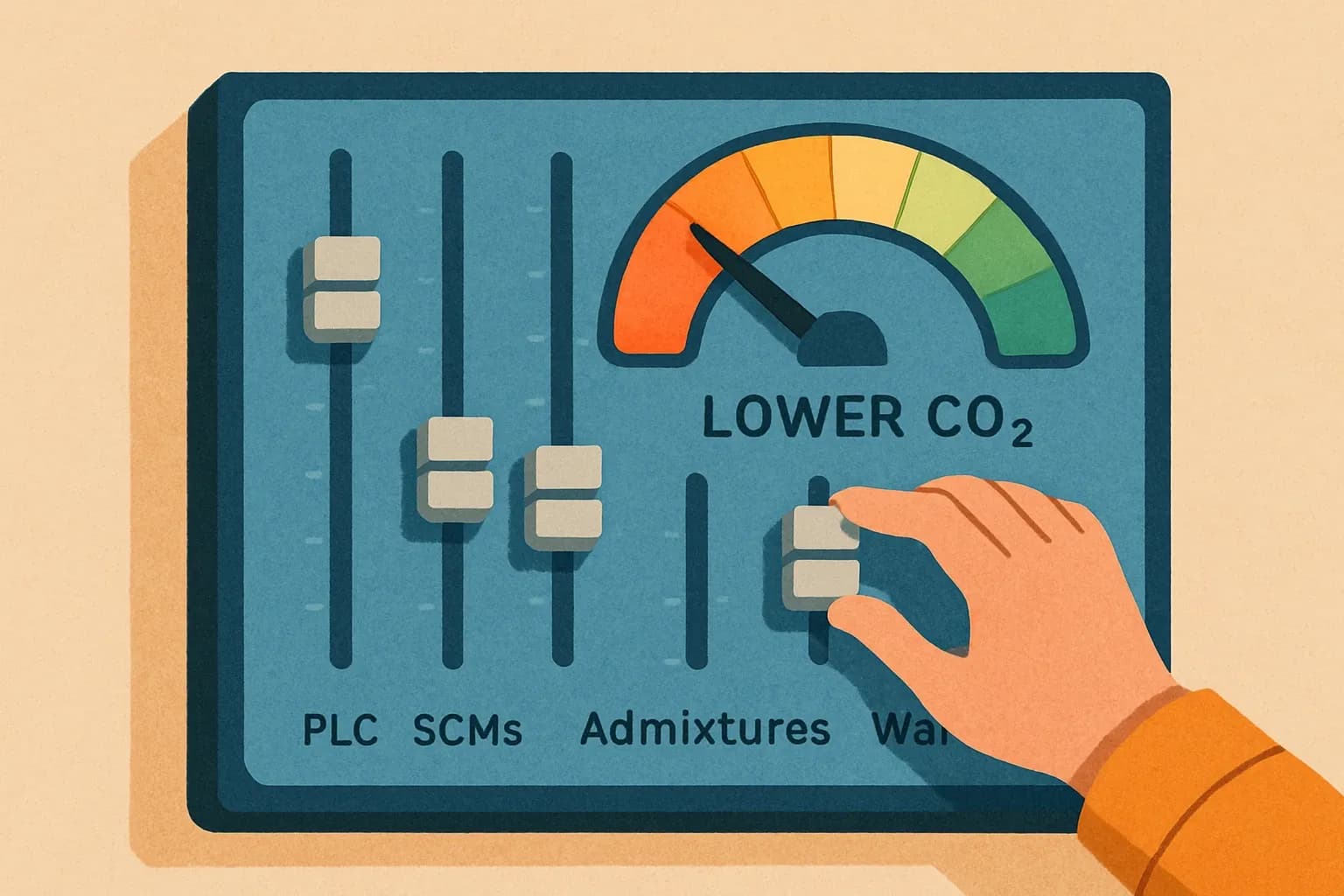
Focus first on hero SKUs and top sellers in each family. Mirror the PCR choices common among competing rooflight systems, then publish with a familiar operator to your buyers, such as Kiwa in Europe or a US‑recognized operator for North American bids. Keep variants tight at the start, covering the glazing types and sizes that account for most quotes. Collecting clean factory data is the long pole in the tent, so a white‑glove partner that drives cross‑plant data capture and schedules verification early will shave weeks off timelines. That speed matters when a bid window is closing, and when internal teams are stretched.
Sustainability signals worth noting
LAMILUX communicates group‑level initiatives and social programs on its sustainability page, which is helpful context when specifiers evaluate supplier maturity. The page is here for quick reference: Sustainability at LAMILUX. It is not a substitute for product‑specific EPDs, yet it does reassure teams that environmental topics are on the management agenda.
What we would prioritize next
If resources are limited, start with continuous rooflights and the most quoted unit skylight families, then extend to the modular glass roof range to cover typical spans and glazing options. Add smoke and heat exhaust units after the core daylighting envelope is live, since those often trail in demand for EPDs but still surface on public work. For composites aimed at interiors, pick one hygienic wall panel system and build from there. Publish, learn, then iterate. It is better to ship a strong first wave than to wait for a perfect, all‑inclusive set that arrives too late.
Final take
LAMILUX is clearly product‑rich, yet EPD coverage looks partial. Close the gaps on the everyday SKUs that drive most quotes and the rest will follow. The teams chasing LEED v5 projects will notice, and so will procurement. That is how an EPD turns from a checkbox into a growth lever. And yes, moving from a handful to robust coverage is definately achievable with tight project management and a streamlined data pull.