The short answer
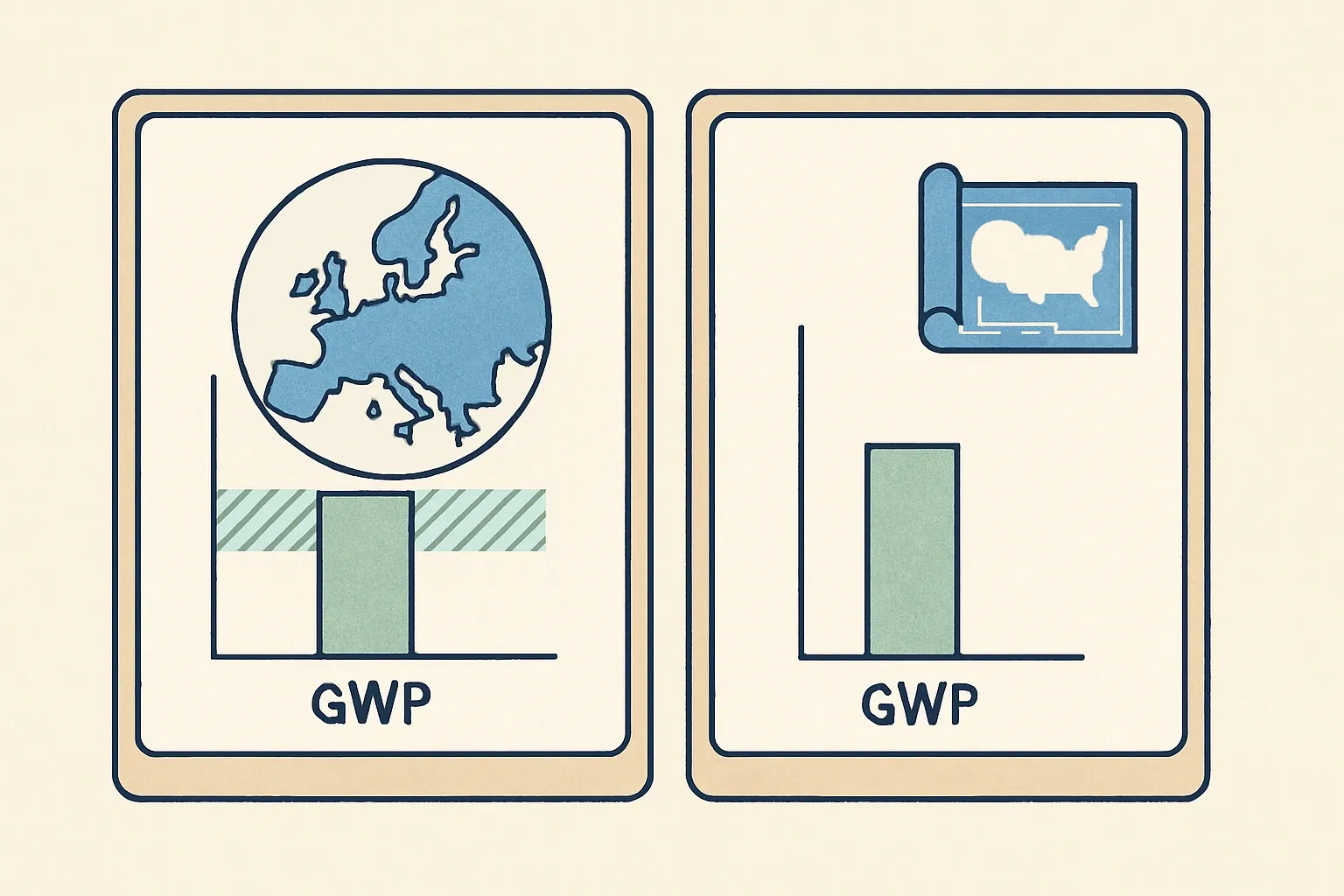
Yes in Europe. As of December 2025, the European Waterproofing Association (EWA) publishes a sector EPD for flexible bitumen sheets for roof waterproofing through the Environdec program, covering 46 plants across multiple countries and valid until July 7, 2026 (EPD International, 2024). We do not see a current industry‑wide EPD for modified bitumen waterproofing in the United States.
What exists in Europe
The EWA Sector EPD describes average performance for bituminous waterproofing sheets produced by member companies. It is registered with EPD International under EN 15804 and was updated to the A2 framework. If you need one number quickly to enable tender participation across markets, this document works. It is a snapshot of a whole segment, not one brand (EPD International, 2024).
What we see in the Nordics
Instead of a regional industry average, Nordic publishers commonly use product‑specific declarations under EPD Norway’s Part B rules for roof waterproofing. That makes comparisons cleaner at the project level and gives specifiers a real product to model, not just an average line item (EPD Norway, 2029).
North America right now
We are not aware of an industry‑wide EPD for modified bitumen membranes in the US. Canada and the US do have many product‑specific EPDs for SBS‑modified bitumen systems across installation methods, which fill the same need during procurement and LCA reviews.
Want to win more tenders in waterproofing?
Follow us on LinkedIn for insights on how product-specific EPDs can unlock new business opportunities and improve your specifications.
Why sector averages help… and where they fall short
An industry‑wide EPD is a useful passport. It proves third‑party verified data exists for the category and it unblocks projects that simply require an EPD on file. The tradeoff is built into the math. These averages is conservative by design because they pool multiple plants, formulations, and logistics patterns. If your process is cleaner or your logistics are tighter than the group, the sector number may mask that advantage in a whole‑building LCA.
How product‑specific EPDs win specs
Owners and design teams often run carbon models that penalize generic data. A product‑specific EPD lets the model use your measured impacts, which can cut embodied‑carbon allowances and reduce substitution risk late in procurement. Teams also prefer a declaration tied to a concrete SKU and plant, since it aligns with chain‑of‑custody and buyout realities.
Positive examples of product‑specific bitumen waterproofing EPDs
Below are mid‑sized names that already publish product‑specific EPDs for bituminous waterproofing. This is not an endorsement, it is a signal the market has moved.
- Isola AS, Norway. Examples include Mestertekk Kombi and Mestertekk one‑layer sheets published with EPD Norway, with current validity extending into 2029 (EPD Norway, 2029).
- BMI Sverige AB, Sweden. Icopal reinforced bitumen sheets for exposed roof waterproofing published with EPD International, valid to 2027 (EPD International, 2027).
- Imperbel NV/SA (Derbigum), Belgium. Derbigum NT bituminous membrane published with EPD International, valid to late 2026 (EPD International, 2026).
- SOPREMA Inc., Canada. Multiple SBS‑modified bitumen systems across hot‑mopped, cold‑adhered, self‑adhered, and torch‑applied methods published with ASTM International, with several declarations valid through 2030 (ASTM International, 2025).
Choosing your path
If you need coverage tomorrow, the EWA sector EPD can satisfy many European requests. If growth is the goal, a product‑specific EPD usually returns more. It showcases your own resin mix, recycled content, plant energy story, and real logistics. That is the version teams can model into a win. The fastest way there is to pick the right PCR, line up utility and mass‑balance data for a recent 12‑month window, and work with a partner who handles the data hunt inside your organization so R&D and operations stay on their day jobs. It is less costly than it sounds and the spec wins typically pay it back quickly. Frankly, a product‑specific EPD is the low‑friction way to be seen and not swapped.
Bottom line for bitumen waterproofing
An industry‑wide EPD exists in Europe for flexible bitumen sheets. Use it if you must. Commission a product‑specific EPD if you want to stand out, win more specs, and let your real performance show up in the LCA instead of a conservative sector average. Your future self will definately thank you.