TRACI 2.2 in plain terms
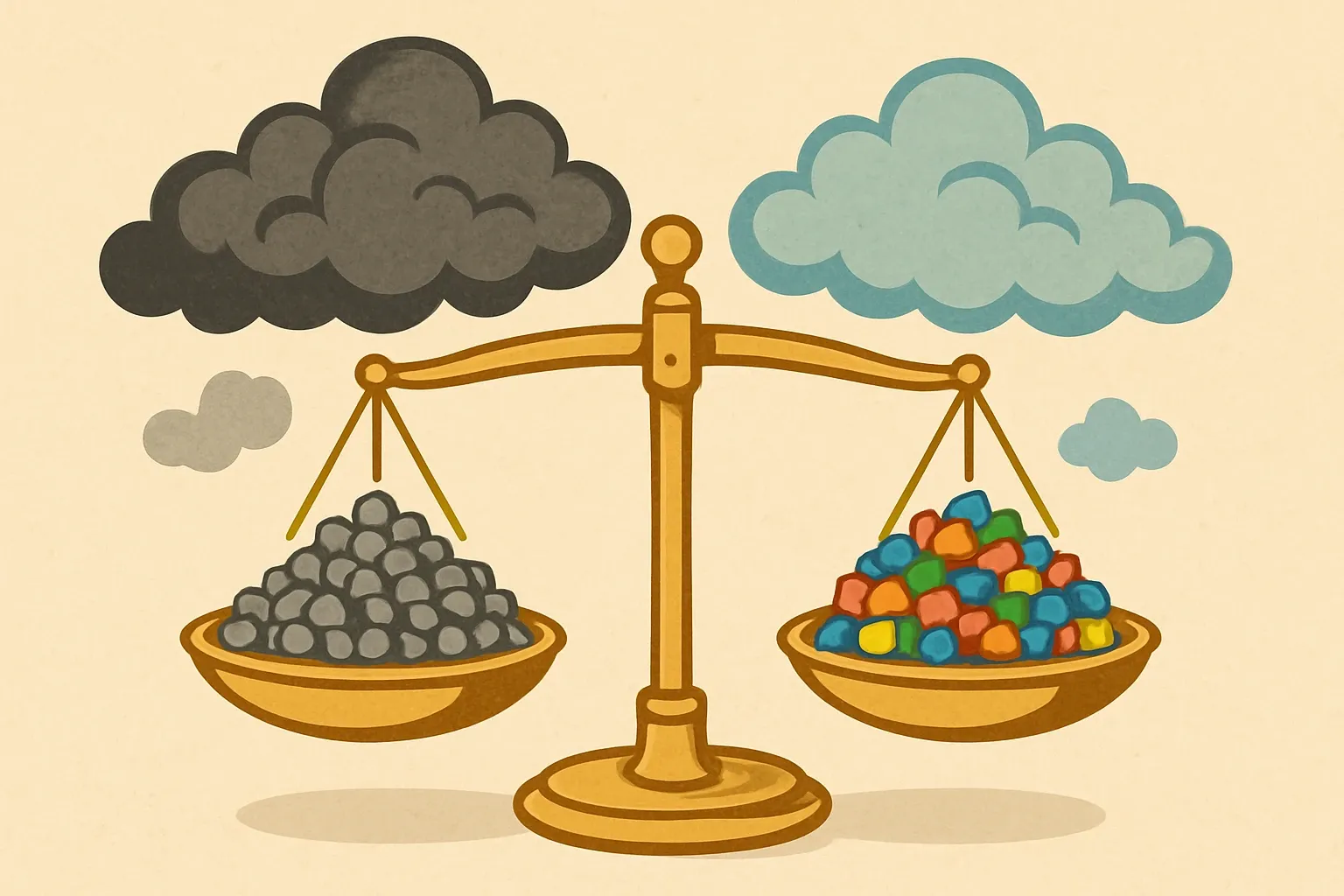
TRACI is the U.S. EPA’s method for turning emissions and resource use into comparable impact results. Think of it as a playlist for environmental effects where each track has a volume knob you can measure. Version 2.2 is the current site‑generic release from EPA as of December 12, 2025 (EPA, 2025).
The impact tracks you will actually see
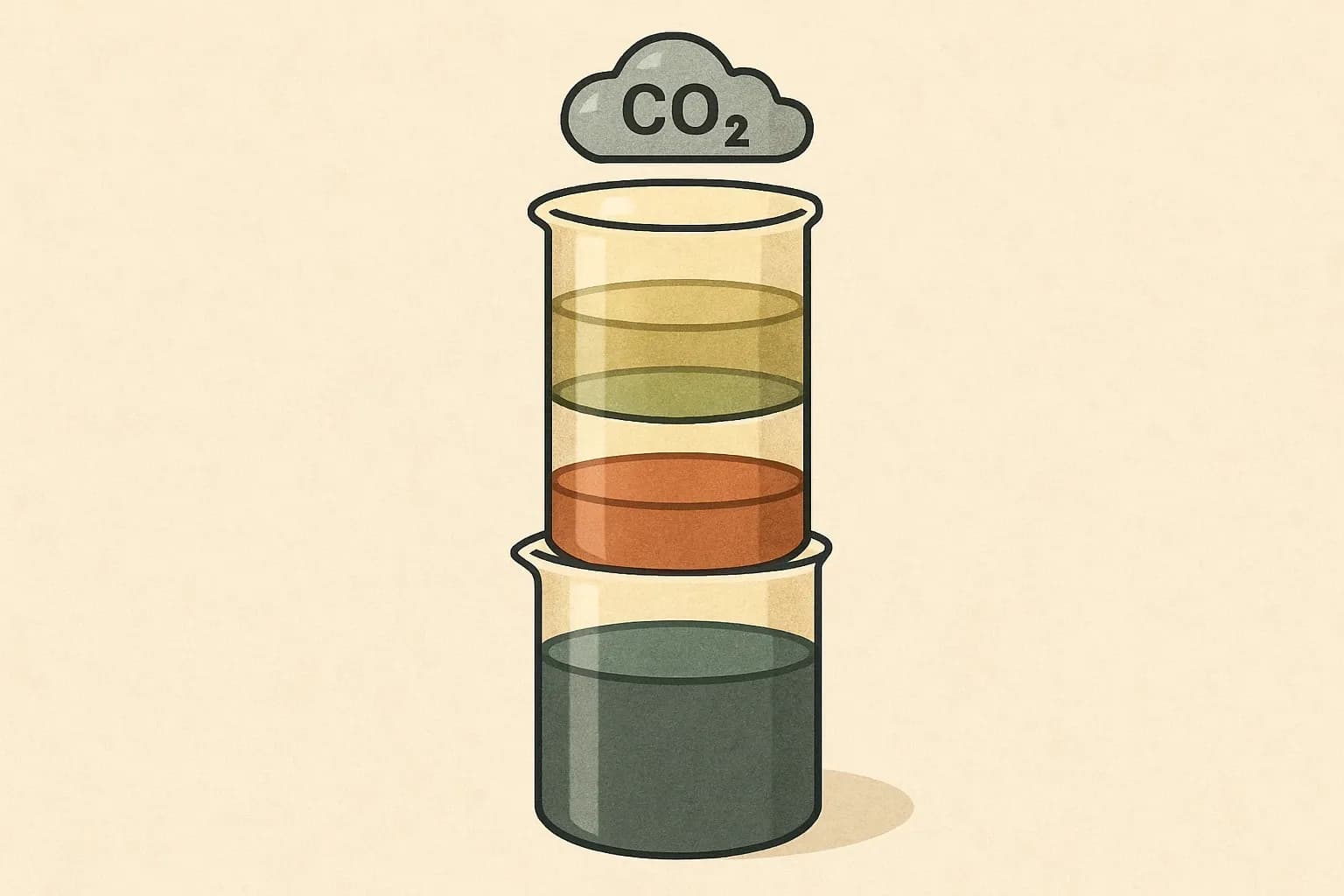
Most North American EPDs report TRACI midpoint categories. You will recognize global warming potential, acidification, eutrophication, smog formation, ozone depletion, human toxicity split into cancer and non‑cancer, particulate matter related respiratory effects, and ecotoxicity. Units look familiar to engineers and auditors alike, for example kg CO2e for climate change, kg SO2e for acidification, kg N eq for eutrophication, kg O3 eq for smog, kg CFC‑11 eq for ozone depletion, CTUh and CTUe for toxicity, and kg PM2.5 eq for respiratory effects.
What changed from 2.1, and why it matters
TRACI 2.2 keeps the same core indicators practitioners know, while bringing spatially explicit eutrophication factors so results can reflect where releases happen. That matters for plant‑specific EPDs. If your facility’s watershed is nutrient‑sensitive, TRACI 2.2 will show it more clearly than older runs that used broad averages.
TRACI and LEED v5
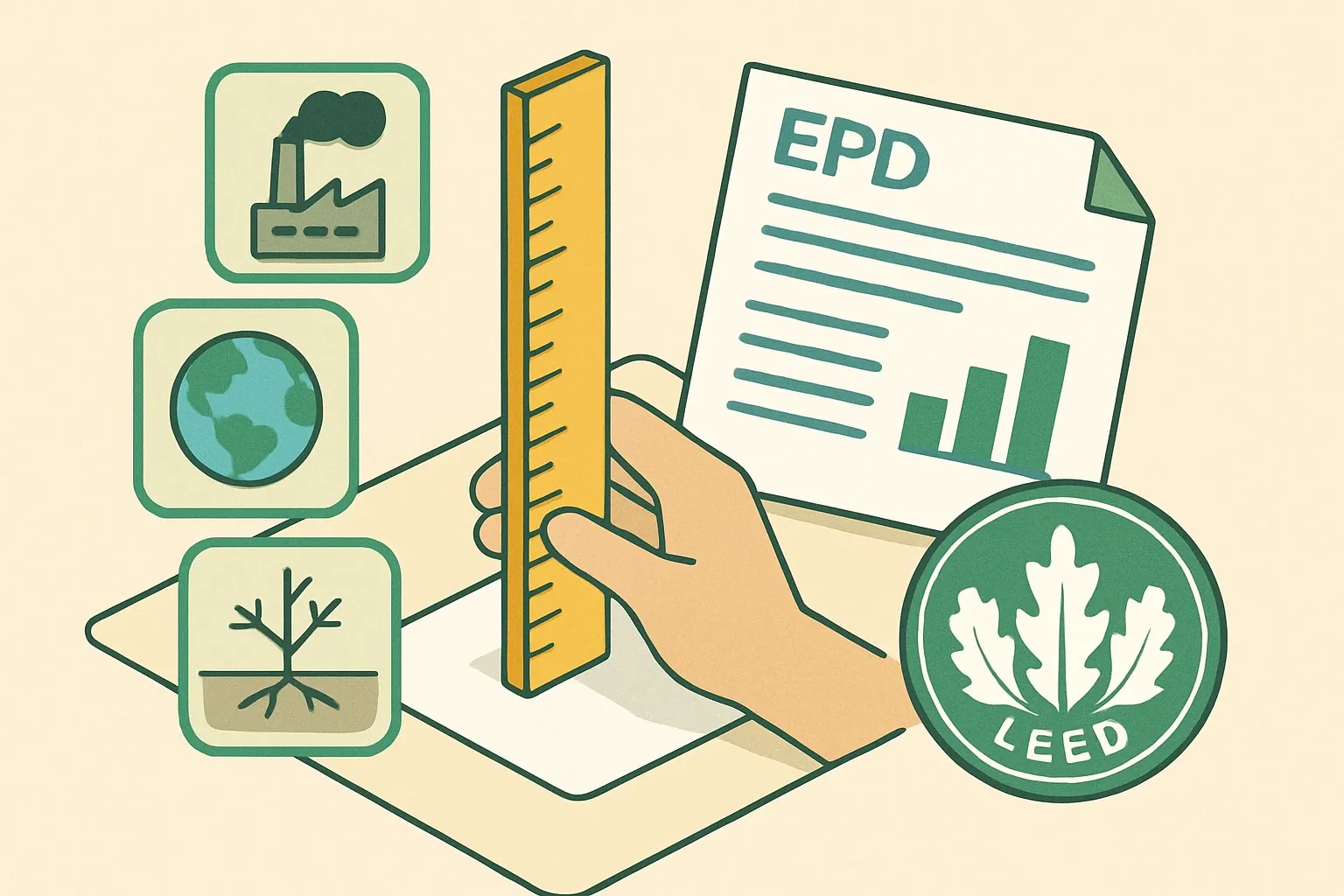
LEED still looks for EPDs that follow ISO 14025 with EN 15804 or ISO 21930. TRACI is simply the North American method many PCRs call for when reporting midpoint results. LEED v5 was ratified by USGBC members on March 28, 2025, which keeps EPDs front‑and‑center in materials credits even as details evolve (USGBC, 2025).
Reading the tables without overthinking it
Treat global warming potential as the headline metric buyers scan first. Then scan eutrophication and smog if your product is chemically intensive or made in air‑basins with non‑attainment risk. Save toxicity indicators for technical discussions with environmental managers, since inventory completeness drives those results more than almost anything else.
Ready to boost your EPD compliance and win tenders?
Follow us on LinkedIn for insights on TRACI 2.2 and how it can impact your project specifications.
Keep comparisons apples‑to‑apples
When benchmarking against competitors, check three things before drawing conclusions. Same PCR family and version. Same declared unit. Same TRACI version. If any of those differ, note it and proceed carefully so your team does not chase a mirage.
Make TRACI 2.2 easier on your team
The fastest EPD workflows centralize data collection, map plant flows to the Federal Elementary Flow List, then run TRACI 2.2 consistently across product lines. Ask for plant utility pulls straight from billing, not estimates. Request state‑specific eutrophication where available. Keep a change log so reruns do not become archaeology.
A quick set of questions for your LCA partner
- Which TRACI version will be used across all products, and why that choice now
- How will facility location be handled for eutrophication to avoid rework later
- What evidence will be retained to show inventory completeness for toxicity categories
Common pitfalls we see
Copying a European EPD format into a U.S. submission creates confusion if the method stays on EF or CML with no TRACI table. Mixing 2.1 and 2.2 inside one catalog undermines comparability. Ignoring particulate matter results in combustion‑heavy products invites tough questions from reviewers.
The commercial angle
Clear TRACI 2.2 results reduce back‑and‑forth during submittals, which shortens bid cycles. That time saved often matters more than marginal differences in a single indicator. If your team is juggling spreadsheets, consider whether the data wrangling belongs with specialists so product and plant leads stay focused on throughput. It is definately worth it when the next spec lands.
Bottom line for manufacturers
TRACI 2.2 is not extra paperwork. It is the common yardstick your buyers expect in North America. Use it consistently, document choices, and you will publish EPDs that read clean, travel well between projects, and help your products stay in play when schedules tighten.
US EPA TRACI page (EPA, 2025)
USGBC LEED v5 status page (USGBC, 2025)