What an EPD database really is
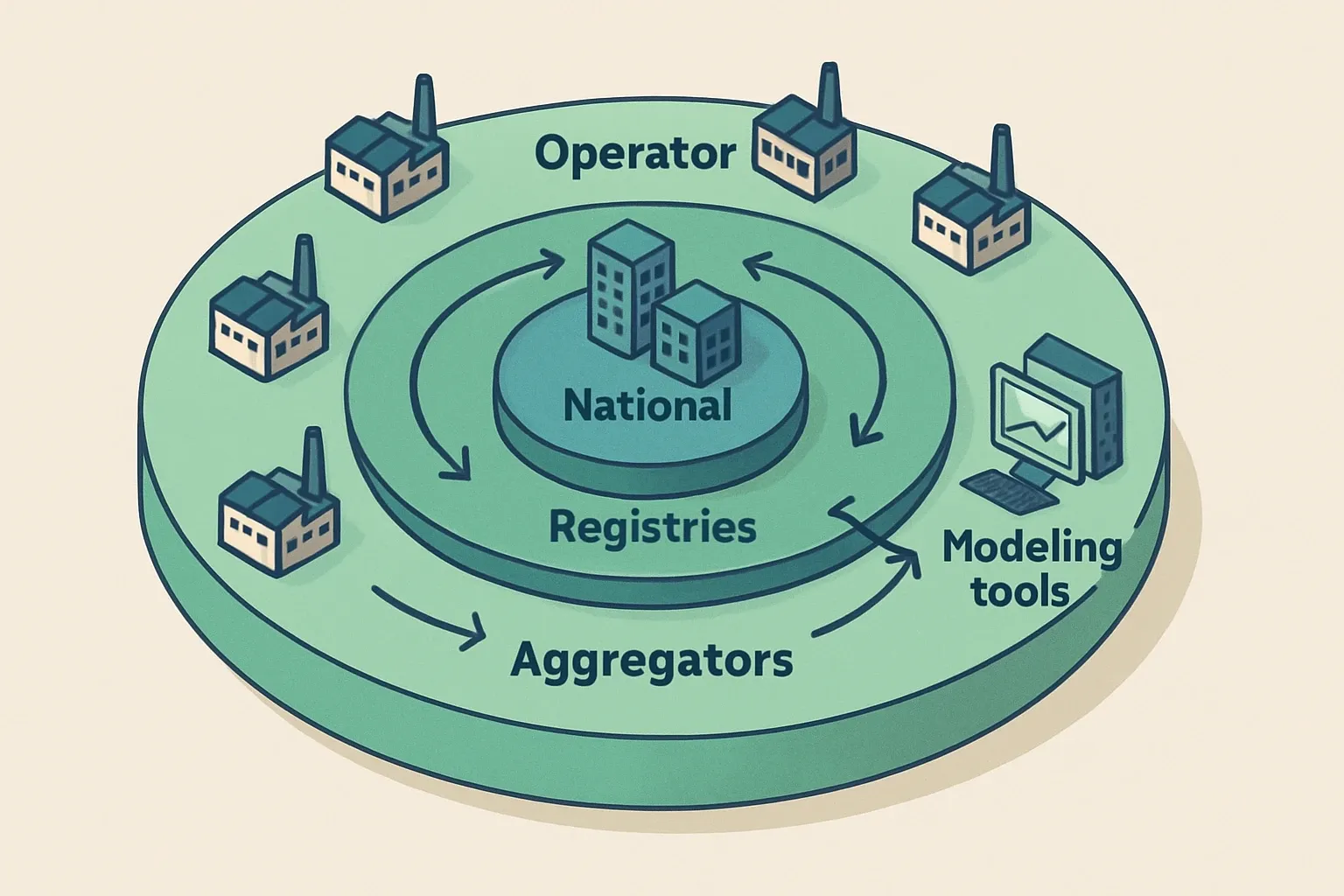
Most hubs are not a single vault of PDFs. You will find three flavors. Program‑operator libraries that host declarations they verify. National registries that gate what counts for local building LCA. Aggregators and access points that pull machine‑readable records from multiple operators.
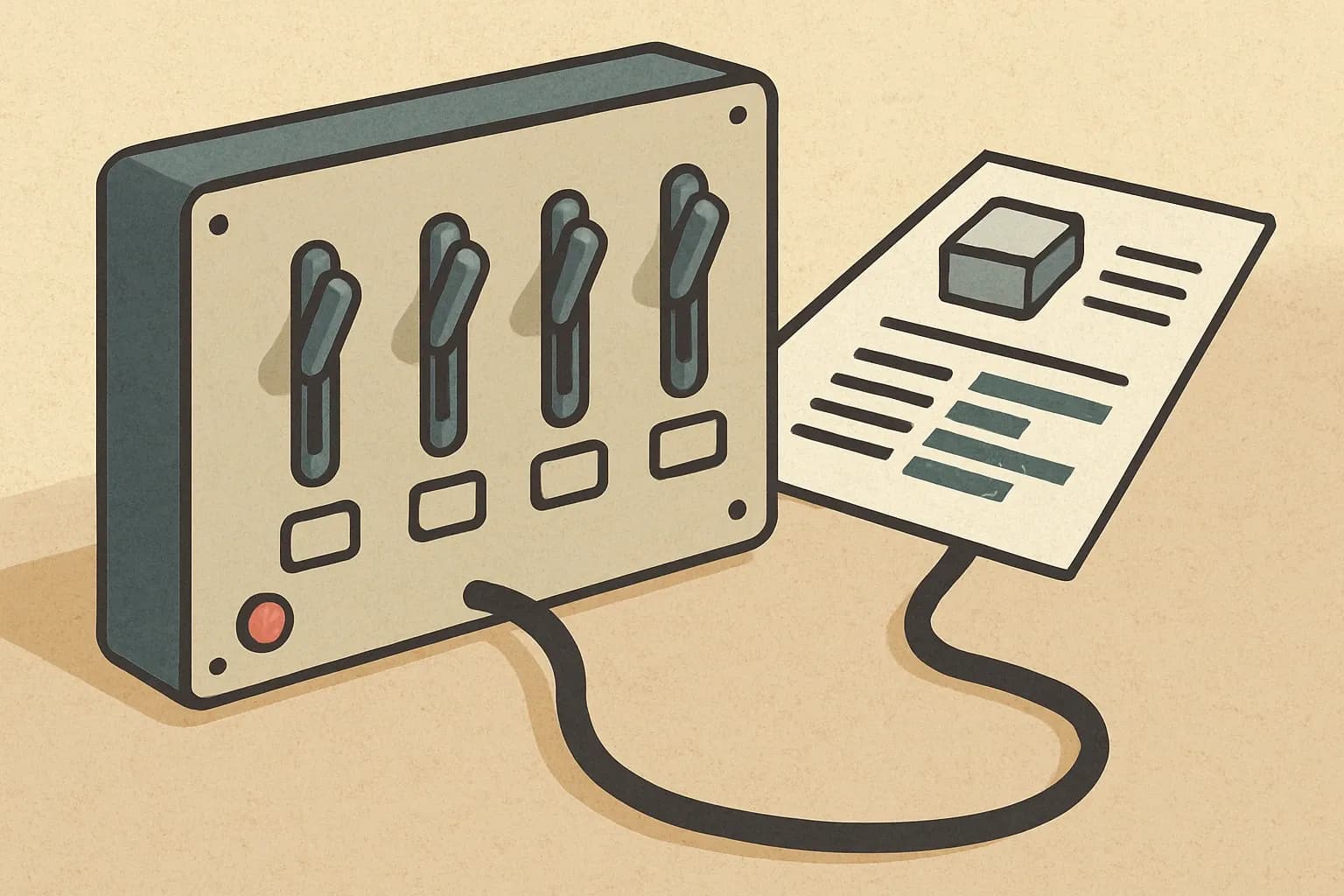
Think of a PCR as the rulebook and a program operator as the referee. A good "construction EPD database" helps you find the right rulebook, verify validity dates, and download data your specifiers can actually use in software.
The big hubs you will hear about
ECO Platform’s ECO Portal is Europe’s access point to EN 15804 EPDs from many operators. It lists per‑operator counts, for example The International EPD System at 12,749 EPDs as of July 1, 2025 (ECO Platform, 2025) (ECO Platform, 2025).
INIES is France’s mandatory reference for building LCAs under RE2020, hosting FDES for products and PEP for equipment. At December 31, 2024, INIES reported 4,560 FDES and 1,342 PEP among 6,324 total records, which signals real market use by design teams (INIES, 2025) (INIES, 2025).
IBU.data is Germany’s digital home for EPD datasets that feed ÖKOBAUDAT and LCA tools. It provides free end‑user access and syncs directly to the IBU publishing platform, which keeps records current for modeling.
United States and Canada, where to look
North America does not run a single public registry for all construction EPDs. Teams typically search operator libraries and trusted aggregators, then mirror what specifiers ask for on each project. LEED v5 was ratified by USGBC members on March 28, 2025, and it continues to award credit for product‑specific Type III EPDs inside the reworked Materials and Resources structure (USGBC, 2025) (USGBC, 2025).
Practical path. Start with the operator you plan to publish with, confirm the PCR, and check whether your competitors’ EPDs sit with the same operator. Then add an aggregator to broaden the search for alternates and benchmarks.
National registries vs operator libraries
National registries like INIES or ÖKOBAUDAT set the rules for what is acceptable in government‑linked LCAs. They may require a national complement or a specific digital format. Operator libraries focus on validating and publishing declarations but do not decide national acceptance.
If you sell in multiple markets, plan for both. Publish with a recognized operator, then ensure the data format and references allow listing in the target registry without rework.
Navigating EPD databases for competitive advantage?
Follow us on LinkedIn to discover how to leverage vital data hubs for winning tenders.
Machine‑readable matters more than ever
PDFs are useful, but modeling teams increasingly pull JSON or ILCD records straight into tools. IBU.data provides a digital twin for each EPD, and ECO Portal is formalizing structured API access. That shift reduces manual data entry and version confusion. Your future buyers expect to import, not retype.
Smart ways to search faster
You can save hours by searching like a specifier.
- Use your product’s MasterFormat section number, the material name, and the likely PCR name together, for example “03 30 00 ready mixed concrete EN 15804”.
- Filter by validity date first, then by declared unit and scope. Expiring next quarter is riskier than being two years old but current.
- In Europe, include the operator name or ECO Portal in queries. In France, include “FDES” or “PEP” with the brand name.
Picking a PCR without second‑guessing
A PCR is the rulebook of Monopoly, ignore it and the game falls apart. The fastest route is to scan competitor EPDs for their PCR choice, program operator, and A1 vs A2 status, then align unless there is a strong reason not to. Also check the PCR’s expiry window so your declaration does not need a surprise refresh six months after launch.
Common blind spots that slow teams down
Data wrangling is the bottleneck. Plants, ERP, utilities, and waste haulers rarely store data in the format a verifier needs. A mature LCA partner will take on the messy collection, keep the audit trail clean, and pre‑check registry rules so you are not asked for a second round of evidence two weeks before publication. That is how specs get protected and sales cycles shorten.
Another blind spot. Older but valid EPDs are generally accepted on projects. The real risk is letting them drift within months of expiry, which can trigger substitutions at the worst time.
Where each hub shines
ECO Portal is best when you want breadth across European operators and machine‑readable data that feeds design tools. INIES is essential for projects in France, and it is tightly linked to RE2020 workflows and software. IBU.data is the bridge from German operator verification to digital building LCA, and it syncs with ÖKOBAUDAT’s quality gates for public projects.
If you need a quick competitive scan, an aggregator can be the fastest first stop. For final submissions, download from the operator or national registry your customer cites.
A quick ROI reality check
EPDs help keep your product in the spec when teams must meet carbon targets. The cost and effort get dwarfed by a single mid‑sized win, yet many teams never see the projects they silently lose when enviromental data is missing. A predictable, white‑glove data collection cadence turns the credential into a repeatable sales asset rather than a scramble.
Threading the needle without the noise
There is no one construction EPD database that rules them all. Use operator libraries for authority, national registries for acceptance, and ECO Portal for reach. Align on the PCR your market trusts, keep validity dates visible to sales, and make machine‑readable your default. That is the simple route from product data to defensible specs, and to fewer late‑night file hunts.