Why scale now
EPDs are no longer a special request. The International EPD System reported more than 18,000 valid EPDs as of mid‑2025, a clear signal that verified data is the default for serious bids (EPD International, 2025) (EPD International, 2025). The same program began publishing fully digital EPDs and counted 62 live as of May 20, 2025, which makes data ingestion and comparisons practical at portfolio scale (EPD International, 2025) (EPD International, 2025).
What “system verification” actually means
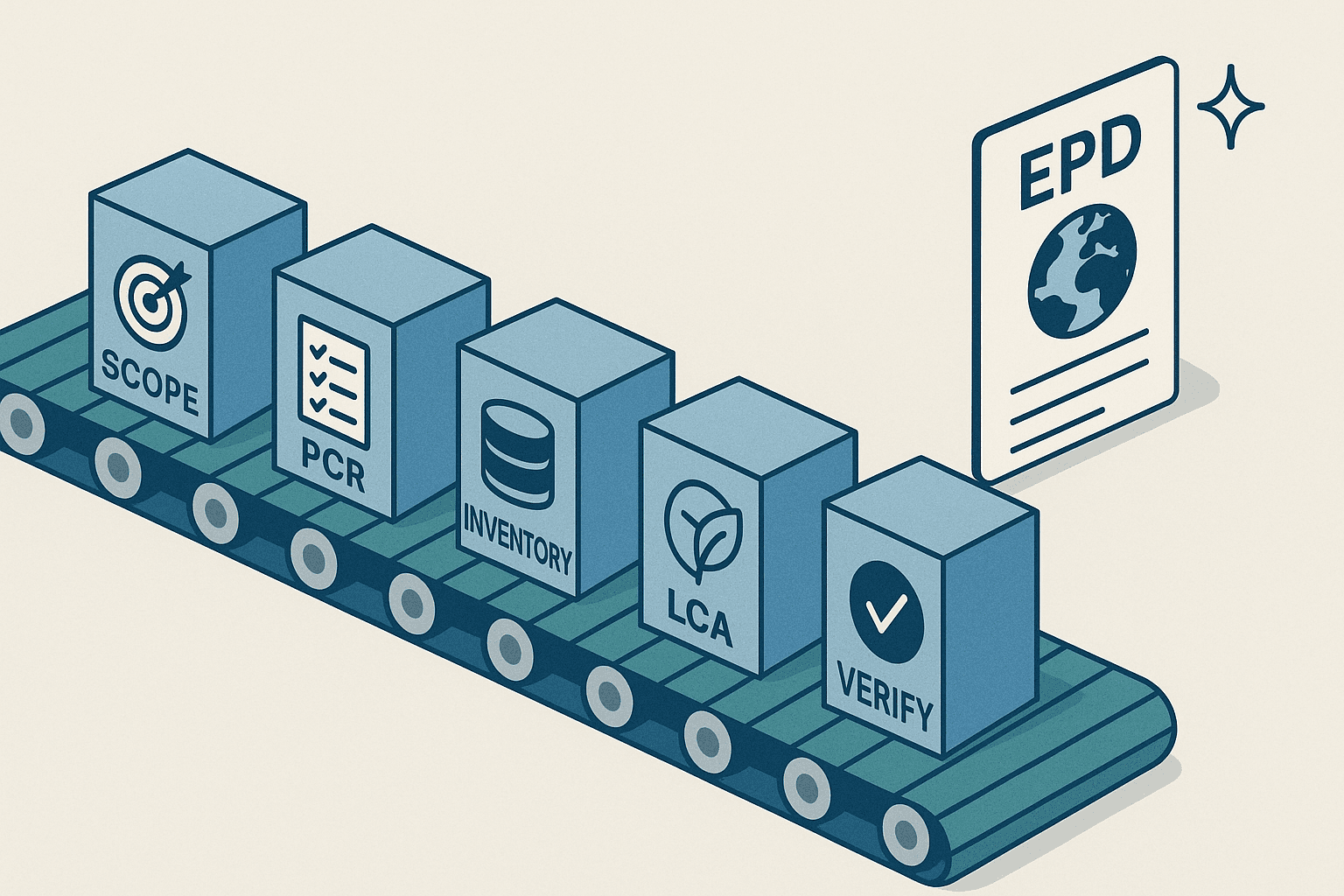
System verification, often called EPD Process Certification, is a certification of your internal EPD generation process by an accredited body. Instead of verifying each EPD from scratch, the auditor verifies your method, controls, and templates, then future EPDs produced within that certified process are considered equivalent to third‑party verified. Think of it like getting your assembly line certified so the items coming off it are trusted without re‑inspecting every bolt.
When to use it, when not to
Use system verification when you have repeatable product families, stable data inputs, and a roadmap to dozens or hundreds of EPDs. It shines for high‑mix portfolios that share bill‑of‑materials logic or identical plants with variant SKUs. Skip it for one‑off prototypes or where inputs are too volatile to lock a method, since a certified process still requires you to follow the playbook precisely.
Verification bottlenecks are real, so plan for them
Several operators publicly flag longer queues. IBU notes verification currently takes about 6 months due to demand, before editorial checks and final approval, which means scheduling matters if expiries are looming (IBU, 2024) (IBU, 2024). A certified process reduces per‑EPD back‑and‑forth and shields portfolios from calendar shocks.
The automation blueprint
Your goal is a repeatable EPD “factory” that a verifier can understand and that your team can run in sprints.
- A canonical data model that maps plants, utilities, materials, transports, packaging, and end‑of‑life to consistent units and cut‑offs.
- Parameterized LCA templates per PCR and region, with clear switchboards for product variants and site‑specific energy.
- A governed library of supplier EPDs and background datasets with version locks and change logs.
- Evidence packs that compile data lineage, calculations, and QA checks for auditors in one click.
- A release cadence that batches EPDs by family, so you verify once, then publish many.
- A renewal calendar that auto‑flags PCR updates, dataset changes, and EPDs entering the 12‑month pre‑expiry window.
APIs, in plain English
APIs turn your EPD work from “email attachments” into structured flows. The International EPD System offers an upstream API for pre‑verified tools that can submit construction‑product EPD data, and a downstream API that lets you retrieve ILCD+EPD records for your internal systems. ECO Platform aggregates feeds from multiple operators, which helps enterprise buyers and tools pull a single validated record. This is the connective tissue for catalogs, CPQs, and submittals that need fresh impact numbers.
Controls that keep auditors comfortable
Automate without sacrificing traceability. Every job should produce a tamper‑evident audit trail that shows inputs, model versions, assumptions, and reviewer sign‑off. Lock background datasets per release, record exceptions in human‑readable notes, and archive snapshots so any result can be reproduced on demand. If your QA feels like aircraft maintenance logs, you are on the right track.
Data freshness without drama
Grid factors shift, suppliers swap, and transport routes drift. Treat these as controlled changes. Use intake checklists with effective dates, require suppliers to attach current EPDs, and run quick sensitivity screens when a primary input changes by a material percentage. Where operators support digital EPDs, pull updates automatically to reduce manual rekeying.
Portfolio design for speed
Group SKUs into EPD families by manufacturing route, not marketing labels. Build one master model per route, expose the variables, and populate them from plant data. That lets you launch a credible baseline fast, then add plants and variants on a predictable drumbeat. You can definately ship value early while the rest of the portfolio queues behind a clean template.
Commercial reality check
Specs penalize missing or outdated data. A product‑specific, verified EPD keeps you in the conversation when project teams tally embodied carbon and comparability. Age within the validity window usually does not hurt selection unless an EPD is close to expiring, so the real advantage is coverage and reliability rather than chasing month‑old deltas.
How to get moving this quarter
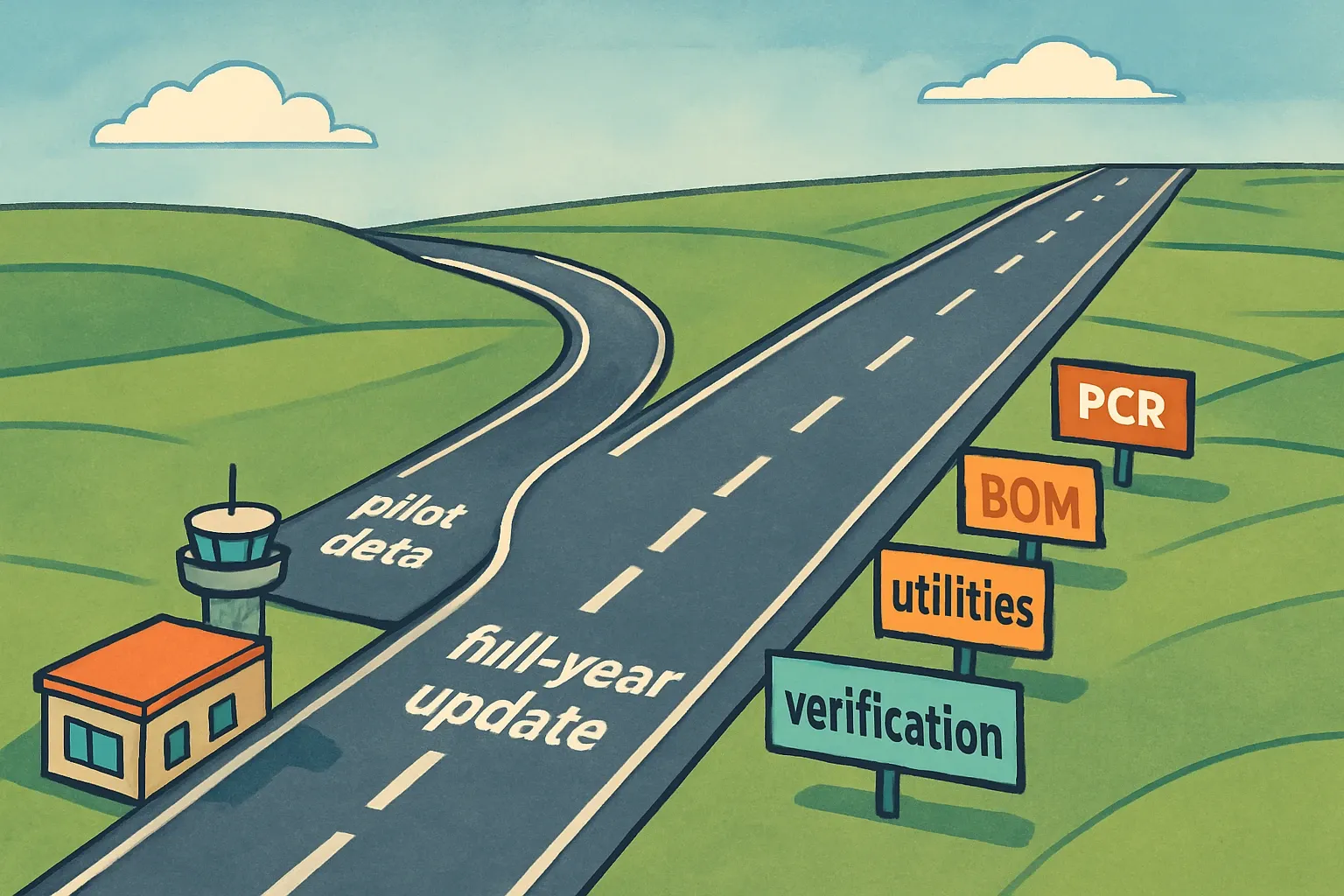
Pick a program operator and confirm whether system verification is available for your category. Map product families by process, choose one reference year, and stand up a single data room for utilities, volumes, and supplier EPDs. Prototype the automation on one family, document the QA, then expand. Treat APIs as plumbing, not a project, so your EPDs flow where sales, product, and compliance teams already work.
The thread that ties it all together
System verification gives you a trusted factory. APIs give you pipes. Together they turn EPDs from a series of heroics into a steady, scalable capability that keeps sales fast, auditors satisfied, and engineering focused on improvements instead of file‑shuffling.