Map the data owners before kickoff
Identify every source of truth at the start. Name the person, the system, and the exact file location for each item like bills of materials, utility bills, process energy, transport legs, and certificates. Treat this like casting a heist movie where every role is clear and no scene waits on a missing actor.
Create a one‑page RACI style map that shows who prepares, who reviews, and who approves. Share it broadly so no one wonders who goes first.
Define a Minimum Viable Data Packet
Aim for the smallest complete bundle that lets modeling begin. For many products, a workable packet includes BOM with weights, site energy by month, key process steps, yield and scrap, and outbound shipping modes. Call this the MVDP and publish the checklist in your workspace so suppliers see what “done” looks like.
When optional extras arrive later (water by process, maintenance assumptions) you can refine without blocking the schedule.
Make status visible and self‑correcting
Use a single board with these columns: Not requested, Requested, In progress, With questions, Received, Verified. Each card represents one data packet. Auto‑advance cards when attachments land in the folder, and trigger a gentle nudge if a card sits idle for two business days.
Visibility beats velocity slogans. People move faster when the queue is obvious.
Outreach that gets replies
Short subject lines win: “BOM weights for Product X” or “Utility kWh Jan–Dec for Plant Y.” Put the ask in line 1, the due date in line 2, and the attachment checklist below. Offer office‑hours windows for quick live handoffs. If the request takes under ten minutes, say so.
Template for clarity: What we need, Where it lives, Why it matters, When it is due, Who to CC if you are out.
Set cadences and stick to them
Standard rhythm helps busy teams plan. Day 0 request, Day 2 reminder, Day 5 escalation to a pre‑agreed delegate, Day 8 brief leadership ping. Keep messages short and kind. Pair calendar holds with reminders so time is already budgeted.
Tie cadences to real program clocks. EPDs are typically valid for five years, so renewals and refreshes benefit from a backward plan that starts months before expiry (UL Solutions, 2024) (UL Solutions, 2024). HPDs carry a three‑year renewal cycle, which means missed weeks can push a product out of compliance windows at the wrong time (HPDC, 2024) (HPDC, 2024).
Pre‑agreed escalation paths
Escalation should feel procedural, not personal. Publish the ladder on day one so no one is surprised.
- Delegate within the same team for simple pulls
- Department lead for prioritization conflicts
- Project sponsor for cross‑site tradeoffs
- Executive sponsor for deadline risk tied to a bid
- External verifier scheduling change only if absolutely necessary
Escalations are lightweight when everyone agreed to them upfront.
Route around predictable blocks
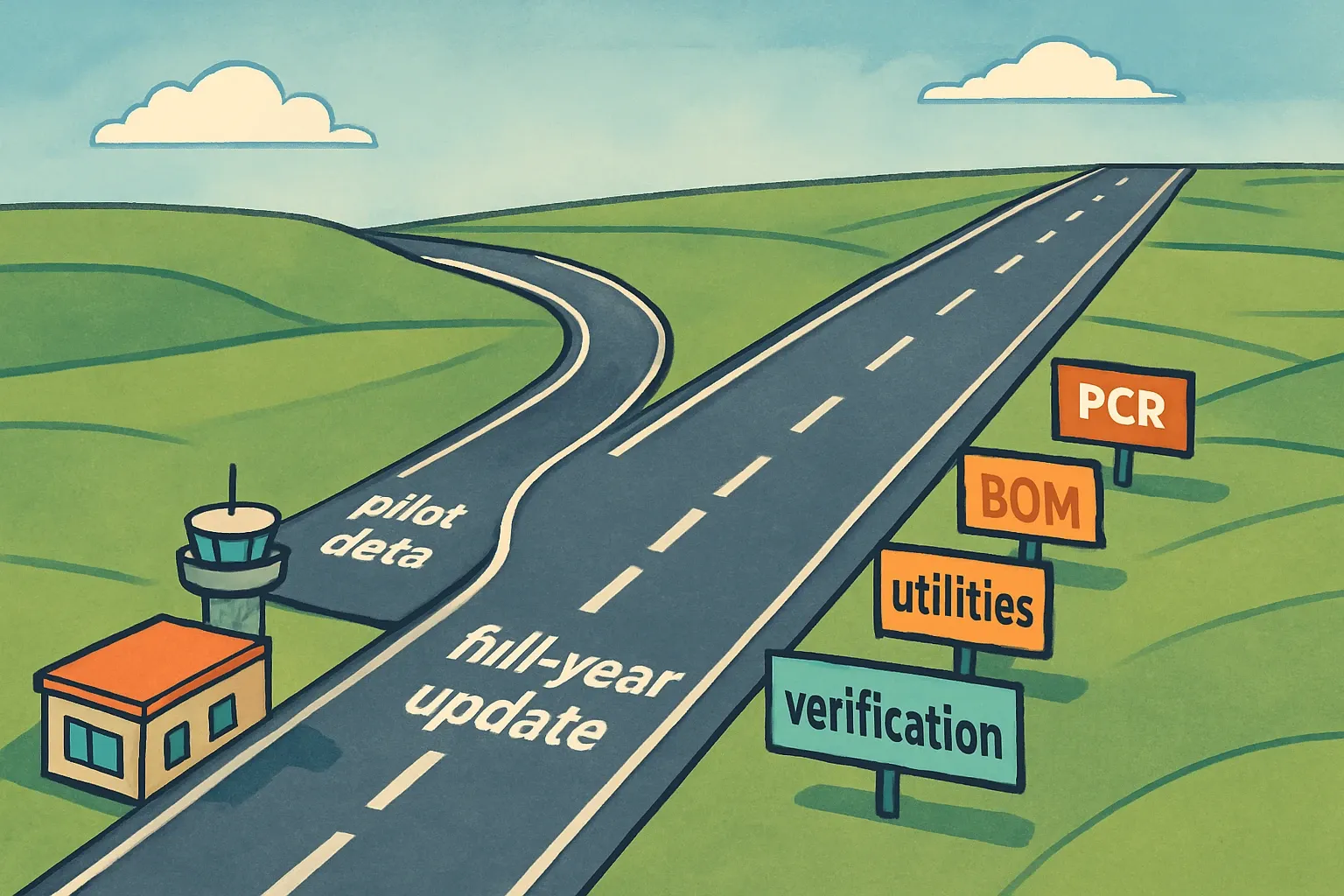
If a supplier portal is slow, ask for a recent invoice PDF plus spec sheet to estimate lot sizes while waiting for a formal export. If a plant historian is locked down, request energy bills and production totals to bridge the first pass. For transport, collect bill‑of‑lading samples to confirm modes and lanes.
Always log interim assumptions. Replace them with measured data before verification to keep integrity intact.
Parallelize the work so gaps do not stall modeling
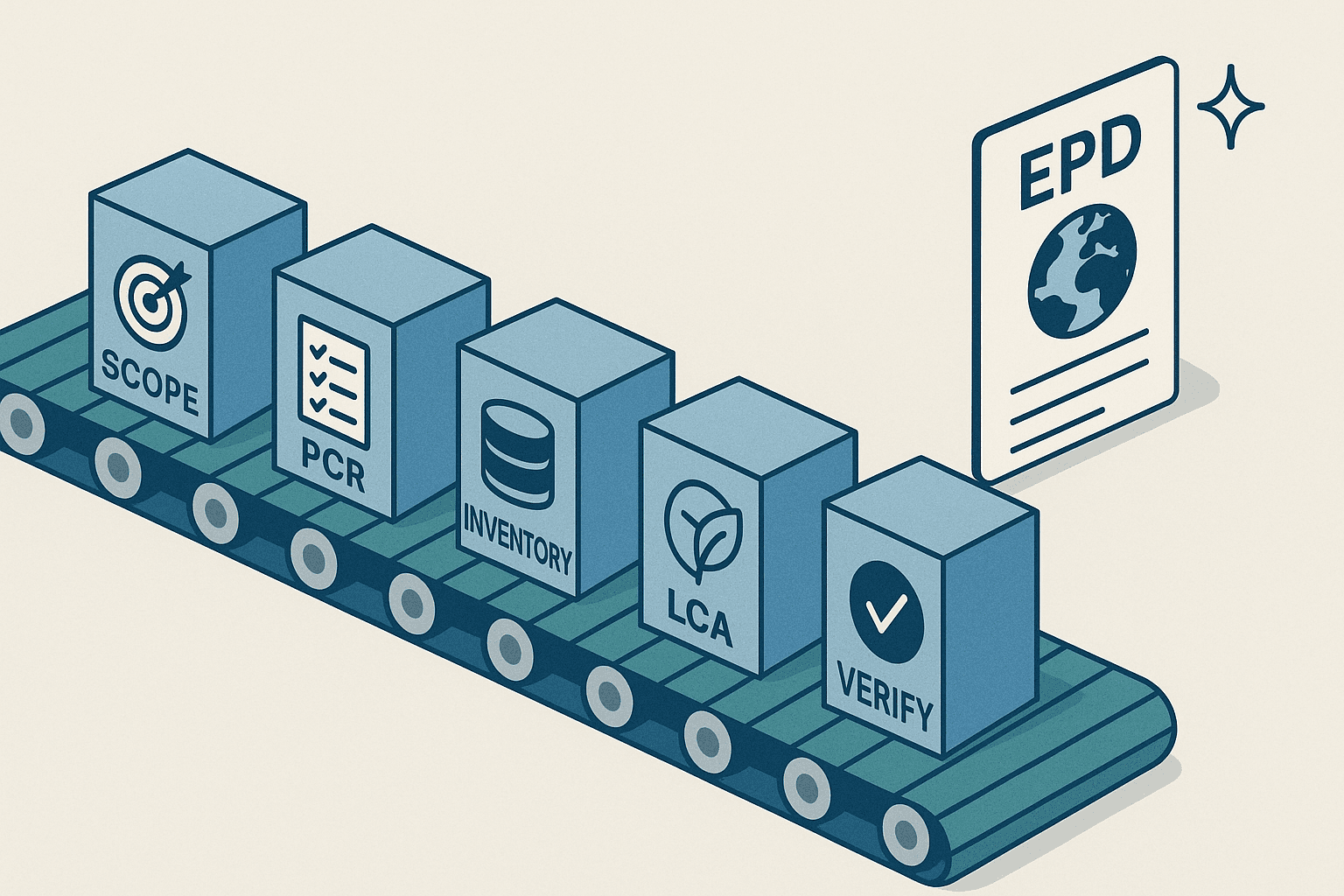
Run background tasks while data trickles in. Draft the goal and scope, confirm the PCR fit, set system boundaries, and align on functional unit. Build the model shell with placeholder data labeled clearly. When packets arrive, you are plug‑and‑play instead of starting cold.
LEED v5 workstreams continue to reward product‑specific transparency, so being publish‑ready when approvals land protects revenue timing for bids with sustainability criteria.
Use verifiers as schedule allies
Share your target publish window early. Ask what they need locked for review and what can be finalized during verification. Many program operators allow minor clarifications after initial review provided the core calculations and evidence are stable. Do not guess the line. Ask and document it.
Keep momentum after publish
Archive the final evidence, refresh the MVDP checklist, and convert lessons learned into one new rule for next time. If a data owner was out for two weeks, add a default backup. If a report kept bouncing in email, switch that packet to folder drops with automatic receipt notes.
EPDs last years not months, but the flywheel is monthly. Small upgrades bank speed for the next run.
The quiet truth about delays
Most EPD and HPD schedules slip on communications, not calculus. A clear MVDP, visible board, firm cadence, and accepted escalations turn waiting time into working time. That is how teams hit bid windows without heroics, and how the most valuable people keep focus where it matters most. It is not flashy, but it is definately effective.